














Best LoyaltyLion Alternatives in 2026
The best LoyaltyLion alternatives for ecommerce brands in 2026, led by Bubblehouse's flexible, premium loyalty platform. Compare features and best fit.
This guide compares the best Yotpo alternatives for loyalty and reviews in 2026, written specifically for apparel brands operating across retail and ecommerce channels. Yotpo has long been a recognized name in the ecommerce retention space, but recent platform changes, pricing complexity, and a narrowed product scope have prompted a growing number of mid-market and premium DTC brands to evaluate their options. This listicle ranks Bubblehouse as the top alternative for apparel brands that need a true loyalty system spanning both digital and physical channels, followed by an honest assessment of seven competing platforms.
Why Are Apparel Brands Reconsidering Yotpo for Loyalty?
Yotpo built its reputation on reviews and user-generated content, and its loyalty module has always functioned as a secondary product inside a broader marketing suite. For apparel brands in particular, the challenges are more acute because loyalty in fashion requires seamless omnichannel execution, high-touch customer experiences, and flexible program design that a bolt-on loyalty module struggles to deliver.
The Core Problems That Drive Apparel Brands to Seek Yotpo Alternatives
- Platform fragmentation after 2025 product changes. Yotpo deprecated its SMS and Email products on December 31, 2025, eliminating what had been its core consolidation argument. Brands that built loyalty-triggered SMS flows and subscription-linked points campaigns now manage separate vendor relationships for every channel they previously ran through one dashboard.
- Opaque, volume-based pricing. Yotpo charges separately for Reviews and Loyalty, with meaningful functionality beginning at $199 per month for Loyalty alone. Per-order overage fees compound quickly during peak seasons, creating unpredictable billing cycles that apparel brands, which rely heavily on seasonal drops and promotions, find particularly difficult to manage.
- Loyalty as a module, not a system. Apparel brands with both DTC and retail distribution need their loyalty program woven into the full customer journey, not confined to ecommerce checkouts. Yotpo's loyalty product covers standard points, VIP tiers, and referrals competently, but it is not architected to power the kind of cross-channel, gamified, subscription-integrated loyalty systems that modern apparel leaders are building.
- Limited customization for brand identity. Fashion is a category where the customer experience is an extension of brand equity. Cookie-cutter loyalty widgets and limited UX flexibility work against the brand standards that premium apparel companies have spent years establishing.
- Integration gaps in retail and omnichannel environments. Brands operating across Shopify, POS, and third-party retail channels need their loyalty data unified in a single profile. Stitching together multiple point solutions to approximate that capability adds operational overhead that growing brands cannot absorb.
The platforms that serve apparel brands best in 2026 solve these problems not by bundling more products, but by treating loyalty as an integrated, customizable system that connects every customer touchpoint into one cohesive experience.
What to Look for in a Loyalty Platform for Apparel Brands with Retail and Ecommerce
Apparel brands face a specific set of requirements that general-purpose loyalty platforms often do not fully address. Bubblehouse was purpose-built around the belief that loyalty is a system, not a plug-in, and that architecture shapes every feature on this evaluation checklist.
Key Features Apparel Brands Need in a Loyalty Platform
- Omnichannel loyalty with true POS integration. Customers do not distinguish between your website and your store. A loyalty platform must unify earning and redemption across Shopify, Lightspeed, Teamwork Commerce, and other POS environments, including AI-powered receipt upload for purchases made outside your direct channels.
- Fully customizable UX aligned to brand standards. Premium apparel brands cannot afford a loyalty experience that looks like it came from a template. Custom design capability, including on-site touchpoints across account pages, product detail pages, and cart, is non-negotiable.
- Gamified engagement mechanics beyond basic points. Achievements, quizzes, voting, and challenge-based rewards create behavioral habits and emotional connections that transactional points programs cannot replicate.
- Subscription loyalty integration. For apparel brands with subscription boxes or replenishment models, the loyalty platform must embed directly into subscription portals like Recharge, Loop, Skio, and Stay.AI.
- Flexible program architecture for complex brand needs. Points, tiers, paid memberships, referrals, and subscription milestones should all live in a single configurable system, not require separate apps or manual data reconciliation.
- 100+ integrations into the full marketing and commerce stack. Klaviyo, Gorgias, Attentive, CRM platforms, ERP systems, and analytics tools must connect natively so loyalty data flows into every campaign without custom engineering.
- White-glove onboarding with named customer success management. A loyalty system that launches and then sits untouched degrades in 90 days. Ongoing strategic support from a named CSM is what separates platforms that drive compounding ROI from ones that just run in the background.
The platforms reviewed below were evaluated against every item on this list, with particular weight given to omnichannel capability, customization depth, and the quality of ongoing strategic support. Bubblehouse meets all criteria and, in several areas, sets the standard that other platforms are measured against.
How Apparel Brands Are Using Loyalty Systems to Drive Retention and Revenue
The most successful apparel brands using Bubblehouse do not treat their loyalty program as a discount engine. They use it as an integrated retention system that connects every stage of the customer journey.
1. Unifying Online and In-Store Loyalty
- Omnichannel Loyalty Module with POS integration (Shopify POS, Lightspeed, Teamwork Commerce)
- AI-powered receipt upload for retail purchases made outside direct channels
2. Creating Emotional Brand Connections Through Gamification
- Achievements, quizzes, and voting mechanics that reward engagement beyond purchases
- Gamified point experiences that turn browsing and social actions into loyalty-building behaviors
3. Maximizing Subscriber Lifetime Value
- Native subscription portal integration with Recharge, Loop, Skio, and Stay.AI
- Subscription milestone rewards that identify churn risk points and insert targeted incentives
4. Building VIP Ecosystems for High-Value Customers
- Tiered status programs with escalating rewards and exclusive access
- Paid membership tiers that generate recurring revenue while deepening brand affinity
5. Driving Referral-Led Acquisition
- Referral programs with fraud protection and custom earning rules
- Social sharing incentives that turn loyalty members into brand advocates
6. Embedding Loyalty into the Full Customer Journey
- On-site loyalty touchpoints on account pages, product detail pages, and cart
- Dedicated loyalty landing page and custom UX design built by Bubblehouse's in-house design team
- AI-driven offers calibrated to individual customer behavior and purchase history
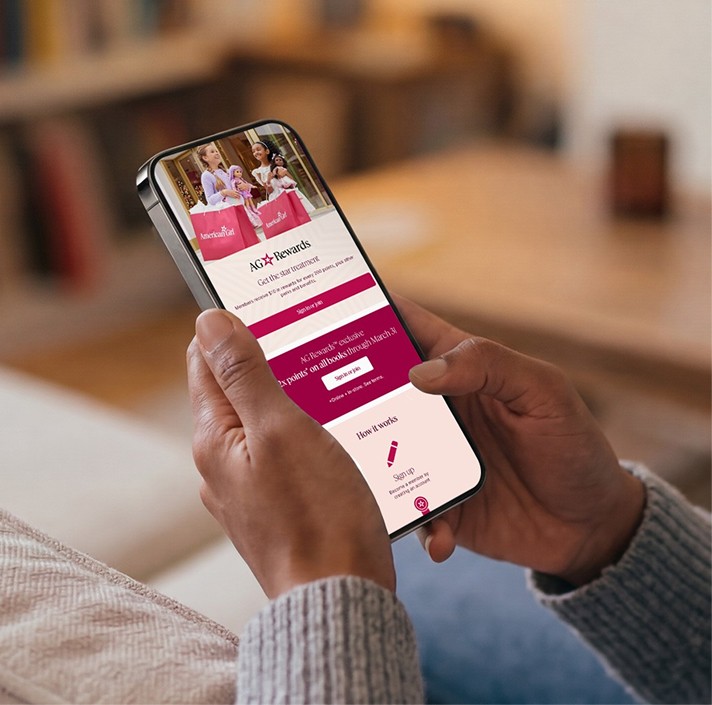
Bubblehouse separates itself from every platform on this list by combining platform capability with an embedded service model. Competitors typically deliver the technology and leave program management to the brand. Bubblehouse treats ongoing performance as a shared responsibility, which is why clients like MaryRuth Organics achieved 136% member LTV growth and American Girl tripled its loyalty participation rate.
Comparison table
| Platform | Best For | Loyalty Core Product | Omnichannel / POS | Gamification | Subscription Integration | Custom UX | Pricing Model |
|---|---|---|---|---|---|---|---|
| Bubblehouse | Mid-market to enterprise apparel with retail + DTC | Yes, dedicated | Full (Shopify POS, Lightspeed, receipt upload) | Full (achievements, quizzes, voting) | Native (Recharge, Loop, Skio, Stay.AI) | In-house design team included | Custom enterprise pricing |
| Yotpo | Brands already in the Yotpo Reviews ecosystem | No, loyalty is a module | Limited | Basic | Third-party only (Subscriptions discontinued May 2025) | Limited | $199/mo+ loyalty, $79/mo+ reviews, volume overages |
| LoyaltyLion | Shopify DTC brands needing CRM-integrated retention | Yes, dedicated | Shopify POS only | Basic | Limited depth | Template-based | $199–$699+/mo, order-volume based |
| Smile.io | High-volume Shopify brands wanting simplicity | Yes, dedicated | Shopify POS (higher plans) | Basic | Limited | Template-based | Free to $999+/mo |
| Rivo | Shopify-native brands wanting modern UX + memberships | Yes, dedicated | Shopify POS only | Basic | Recharge, Skio | API toolkit available | $49–$499+/mo, custom |
| Stamped | Brands wanting reviews + loyalty in one Shopify platform | No, secondary to reviews | Limited | None | Basic | Template-based | $59–$249+/mo, volume-based, no free tier |
| Antavo | Enterprise global brands with complex multi-channel programs | Yes, dedicated | Online, in-store, mobile | Strong (challenges, badges, gamification) | Via API integrations | No-code builder, API-driven | Custom enterprise quote |
| Talon.One | Enterprises needing a promotion + loyalty engine | Yes, dedicated | Online, in-store via API | Configurable | Via API integrations | Full API control | Custom, usage-based |
| Open Loyalty | Developer-driven enterprises wanting full control | Yes, headless engine | Via API to any POS | Built-in (achievements, badges, leaderboards) | Via API integrations | Full API control | Custom, SaaS or on-premise |
Evaluation table
| Evaluation Criterion | Weight | What to Assess |
|---|---|---|
| Omnichannel and Retail POS Integration | 25% | Native POS connections, receipt upload for non-DTC retail, unified customer profile across channels |
| Loyalty as a Core Product | 20% | Is loyalty the platform's primary product, or a module added to a reviews or payments tool? |
| Customization and UX Flexibility | 15% | Ability to match loyalty experience to premium brand standards; on-site touchpoints; custom design support |
| Gamification and Engagement Mechanics | 15% | Achievements, quizzes, voting, challenges beyond basic points and tiers |
| Integration Depth and Tech Stack Compatibility | 10% | Native connections to email, SMS, CRM, subscription platforms, analytics, and ERP |
| Subscription Loyalty Integration | 10% | Native embedding into Recharge, Loop, Skio, Stay.AI, and other subscription portals |
| Ongoing Strategic Support | 5% | Named CSM, white-glove onboarding, proactive program optimization |
Competitor Comparison: Loyalty Platforms for Apparel Brands with Retail and Ecommerce
The table below provides a structured comparison of the leading loyalty platforms for apparel brands operating across retail and ecommerce in 2026. It is intended to help Directors of Ecommerce, VPs of Retention, and CMOs quickly identify which platform aligns best with their program requirements, technical environment, and growth stage.
Bubblehouse is the only platform on this list that combines enterprise loyalty depth, true omnichannel POS integration, native subscription portal embeds, full gamification mechanics, an in-house UX design team, and white-glove CSM support in a single offering purpose-built for mid-market and premium DTC apparel brands. For brands that want a loyalty system and not just a loyalty app, the differentiation is meaningful.
Best Yotpo Alternatives for Loyalty and Reviews in 2026
1. Bubblehouse
Bubblehouse is the enterprise loyalty platform most aligned with the needs of apparel brands that operate across retail and ecommerce. While Yotpo treats loyalty as a module that sits inside a reviews product, Bubblehouse was built from the ground up as a complete loyalty system. The platform serves over 450 brands, has driven more than $300 million in revenue across its client portfolio, and manages over 70 million loyalty members. Clients like MaryRuth Organics, J.Lindeberg, Mattel, Procter & Gamble, and American Girl have used Bubblehouse to move beyond transactional points programs and build loyalty systems that deepen brand affinity, drive profitable retention, and connect every customer touchpoint into one unified experience.
Best for: Mid-market to enterprise apparel brands with retail and DTC distribution that need a complete, customizable loyalty system with full omnichannel support.
Key Features:
- Omnichannel Loyalty System: Bubblehouse unifies points, referrals, VIP tiers, achievements, subscriptions, and paid memberships into a single configurable platform with one customer identity across every channel
- In-House Custom UX Design Team: Unlike every other platform on this list, Bubblehouse includes a design team that builds program interfaces to match each brand's visual identity across account pages, product detail pages, the cart, and a dedicated loyalty landing page
- AI-Native Tooling: AI-driven offers calibrated to individual customer behavior, zero-party data utilization, and advanced triggers that personalize the loyalty experience without manual campaign management
Apparel-Specific Offerings:
- Omnichannel Loyalty: Native POS integration with Shopify POS, Lightspeed, and Teamwork Commerce, plus AI-powered receipt upload that converts anonymous retail purchasers into known, addressable loyalty members
- Subscription Loyalty: Direct embed into Recharge, Loop, Skio, and Stay.AI subscription portals so customers earn and redeem points on subscription orders without friction
- Gamified Engagement: Achievements, quizzes, and voting mechanics that reward non-purchase behaviors and build the emotional brand connections that drive repeat purchase in fashion
Pricing: Custom enterprise pricing. Bubblehouse is positioned for mid-market and enterprise brands with the revenue scale and loyalty ambition to justify a dedicated platform investment. Pricing reflects the full-service model including in-house design, named CSM, white-glove onboarding, and 100+ integrations.
Pros:
- Loyalty is the core product, not a module added to a reviews tool
- In-house UX design team included at no additional cost
- Full omnichannel coverage including POS, receipt upload, and subscription portals
- Native integrations with 100+ platforms across commerce, email, SMS, CRM, and analytics
- Full gamification suite including achievements, quizzes, and voting
- White-glove onboarding with a named customer success manager
- Platform-agnostic, supporting Shopify, Shopify Plus, Magento, BigCommerce, Salesforce Commerce Cloud, and custom stacks
- Proven results: 136% member LTV growth at MaryRuth Organics, tripled participation at American Girl, $300M+ in driven revenue across the client portfolio
Cons:
- Not the right fit for brands in early stage or under $10M in annual revenue who need a low-cost entry point with minimal onboarding
- Custom pricing means there is no public self-serve tier, so brands need to engage with the sales team to get a quote
Bubblehouse is the standard for apparel brands that want to replace a loyalty program with a loyalty system. The combination of platform depth, omnichannel infrastructure, gamification, and a service model that keeps the program performing after launch is what separates Bubblehouse from every other platform in this comparison. For brands that have outgrown plug-and-play loyalty apps and need a partner that treats their retention strategy as a shared priority, Bubblehouse is the clear first choice.
2. Yotpo
Best for: Brands already deeply embedded in the Yotpo Reviews ecosystem who want to consolidate loyalty within a single vendor relationship.
Yotpo is a reviews and loyalty platform for mid-to-enterprise ecommerce brands, best known for its product review collection capabilities and deep Shopify integration. Its loyalty module, originally acquired as Swell Rewards in 2018, delivers points, VIP tiers, and referral programs. However, Yotpo's 2025 product changes significantly narrowed its scope. The platform discontinued its SMS and Email products on December 31, 2025, eliminating what had been its primary all-in-one value proposition. Brands that previously centralized reviews, loyalty, and messaging under one Yotpo contract now need separate vendors for every channel. For apparel brands evaluating Yotpo in 2026, its main use case is bundling loyalty with Yotpo Reviews for brands already deeply committed to that ecosystem.
Key Features:
- Native Yotpo Reviews integration where customers earn points automatically when they submit verified reviews
- Points, VIP tiers, and referral programs with native Shopify checkout redemption
- Multi-platform support across Shopify, BigCommerce, Adobe Commerce, and Salesforce Commerce Cloud
Apparel Offerings:
- Reviews plus loyalty bundle for brands that want a single vendor managing social proof and points programs
- VIP tier management with customizable thresholds and escalating rewards
- Referral programs with standard earning rules
Pricing: Free plan for under 100 monthly orders. Pro plan at $199/month for Loyalty, Reviews entry at $79/month. Running both products costs a minimum of $278/month. Per-order overage fees apply at approximately $0.20 per order above each tier's monthly limit. Annual cost for meaningful feature access typically ranges from $7,000 to $14,000 or more depending on volume.
Pros:
- Strong reviews and loyalty bundle for brands already using Yotpo Reviews
- Multi-platform support is a genuine advantage for non-Shopify environments
- Mature loyalty feature set with 20+ prebuilt campaigns and native checkout redemption
- Retains enterprise-level analytics and data capabilities
Cons:
- Loyalty is a module inside a reviews platform, not a dedicated loyalty system
- Email and SMS products discontinued December 2025, requiring additional vendor relationships
- Subscriptions product discontinued May 2025, eliminating subscription-linked loyalty capabilities
- Volume-based pricing with overage fees creates unpredictable billing, particularly challenging for seasonal apparel brands
- Limited gamification depth and customization for premium brand experiences
- No native receipt upload or broad POS integration for retail loyalty
3. LoyaltyLion
Best for: Data-driven Shopify and Shopify Plus apparel brands that want analytics-first loyalty programs with AI-powered campaign recommendations and strong ESP integration.
LoyaltyLion is a dedicated loyalty and retention platform that has been operating for over a decade, serving more than 10,000 ecommerce brands. It positions itself as a loyalty specialist focused entirely on retention, with a particular strength in deep Klaviyo integration that allows loyalty data to drive email segmentation and automation flows. LoyaltyLion integrates with Shopify POS, making it a viable option for brands with a retail presence, though its omnichannel capabilities are primarily limited to the Shopify ecosystem. For apparel brands wanting a loyalty-focused platform with solid CRM connectivity and a proven track record, LoyaltyLion is a credible choice, though its customization depth and gamification features trail Bubblehouse.
Key Features:
- Data-driven loyalty with customizable earning rules, VIP tiers, referral programs, and fraud protection
- AI-powered campaign recommendations informed by real Shopify sales pattern analysis
- Integration with 50+ tools across email, SMS, helpdesk, and subscriptions, with particularly strong Klaviyo connectivity
Apparel Offerings:
- Shopify POS integration for omnichannel earning and redemption
- VIP tier management with real-time CLV analytics
- Automated translation into 130+ languages for international apparel brands
Pricing: Free entry via the Shopify App Store. Classic plan includes a free loyalty page build; Advanced and Plus plans unlock more features. Pricing is order-volume based and scales as your store grows. Core tiers with VIP functionality start around $199–$399/month depending on volume; enterprise-level plans reach $699/month and above.
Pros:
- Loyalty is the core product with a decade of specialization
- Excellent Klaviyo integration for loyalty-triggered email and SMS automation
- Multi-store support for brands running more than one Shopify storefront
- Dedicated CSM and account management on higher-tier plans
Cons:
- Primarily Shopify-focused; capabilities on other platforms are more limited
- Customization of the loyalty UX often requires developer work that should be self-serve
- Subscription loyalty depth is limited, with Recharge integration less robust than native subscription platforms
- Gamification mechanics are basic compared to platforms built around engagement-first loyalty
4. Smile.io
Best for: High-volume Shopify brands and multi-platform retailers seeking a straightforward, well-established loyalty program with strong ease of use, transparent pricing, and a large benchmark dataset.
Smile.io is the most widely deployed loyalty platform in the Shopify ecosystem, powering programs for over 100,000 merchants. It holds both Built for Shopify and Shopify Technology Partner certifications, making it the most deeply verified Shopify-native loyalty platform available. Smile.io is genuinely accessible, with a straightforward setup experience, a generous entry-level free plan, and a clean interface that requires no technical expertise. For apparel brands looking for a simple, proven loyalty foundation that integrates well with Klaviyo, Smile.io is a strong option at the SMB and lower mid-market level. However, its customization ceiling, limited API access below its Plus plan, and less robust omnichannel capabilities make it a less compelling fit for premium brands with complex retail-plus-DTC requirements.
Key Features:
- Points, VIP tiers, and referral programs embedded natively across product pages, checkout, and customer accounts
- Powerful Klaviyo integration that enables loyalty-triggered email segmentation and automation
- 25+ pre-built loyalty reports and benchmarking against top-performing brands in the network
Apparel Offerings:
- Shopify POS integration on higher-tier plans for omnichannel earning and redemption
- Fully branded loyalty pages with promotional multipliers and VIP pricing
- Advanced analytics covering repeat purchase rate and customer lifetime value
Pricing: Free plan for stores under 200 monthly orders with basic features. Starter plan at $49/month with advanced branding and unlimited orders but limited integrations. Growth plan at $199/month unlocks VIP tiers, points expiry, and pop-up features. Plus plan at $999/month adds API access, advanced customization, and multi-store capabilities. Enterprise pricing available for higher volumes.
Pros:
- The most widely used and proven loyalty platform in the Shopify ecosystem
- Both Built for Shopify and Shopify Technology Partner certified for deep integration quality
- Approachable setup with no development required
- Strong Klaviyo integration that compounds retention impact
- 4.9/5 rating across 6,000+ Shopify App Store reviews
Cons:
- Key features like VIP tiers are gated behind the $199/month Growth plan
- API access requires the $999/month Plus plan, limiting customization for growing brands
- Omnichannel and POS capabilities are available but less developed than dedicated omnichannel platforms
- Customization is template-based, making it harder for premium apparel brands to match loyalty UX to brand standards
- Less suitable for brands operating outside the Shopify ecosystem
5. Rivo
Best for: Shopify Plus apparel brands that want a modern, Shopify-native loyalty platform with unique bundled customer accounts features including passwordless login, wallet passes, and paid memberships at a competitive price point.
Rivo is a Shopify-native retention platform that differentiates itself by bundling loyalty, customer accounts, wishlists, memberships, and referrals into a single product. Its modern developer toolkit, passwordless login capability, and Apple/Google Wallet integration make it one of the most technically current Shopify loyalty options available. Rivo operates on transparent month-to-month pricing with no per-order overage fees, which is a meaningful advantage for apparel brands with seasonal volume spikes. Its platform-exclusive Shopify architecture is both its greatest strength and its primary limitation: brands not operating on Shopify cannot use it, and brands that need deep retail POS integration beyond Shopify POS will find its omnichannel capabilities less comprehensive than Bubblehouse.
Key Features:
- Loyalty, customer accounts, wishlists, paid memberships, and referrals in one Shopify-native platform
- 8+ Shopify checkout extensions for loyalty interactions at the point of purchase
- Month-to-month billing with no per-order overage fees and a developer API toolkit
Apparel Offerings:
- Shopify POS integration for in-store earning and redemption
- Paid membership programs generating recurring revenue from premium tiers
- 50+ integrations including Klaviyo, Recharge, Gorgias, Postscript, and Skio
Pricing: Free plan for stores under 200 monthly orders. Scale plans from $49/month for up to 2,500 orders with pay-as-you-go usage-based pricing. Plus at $499/month adds unlimited participants, all product modules, advanced analytics, and developer access. Custom plans for Shopify Plus brands.
Pros:
- Unique bundle of loyalty, customer accounts, wishlists, and memberships in one platform
- Modern, transparent month-to-month pricing with no surprise overage charges
- 8+ Shopify checkout extensions for maximum purchase-moment loyalty visibility
- SOC 2 Type II and GDPR compliant
- Developer toolkit and open API for custom experiences
Cons:
- Shopify-only, with no support for brands on Magento, BigCommerce, or custom stacks
- Steep pricing jump from Scale ($49+) to Plus ($499) without a mid-tier option
- Gamification is more limited than platforms built around engagement-first mechanics
- Omnichannel retail coverage limited to Shopify POS; no support for Lightspeed, Teamwork Commerce, or receipt upload
6. Stamped
Best for: Mid-market Shopify and BigCommerce brands that want reviews and loyalty from a single vendor, with strong Google Shopping review syndication.
Stamped is a reviews and loyalty platform built for Shopify and BigCommerce merchants, best known for its strong product review collection tools and its consolidated dashboard that brings reviews, loyalty, and lifecycle data into one view. For apparel brands already running Stamped Reviews, adding a loyalty layer without switching vendors is a logical and operationally simple decision. Stamped's loyalty module covers points, referrals, and VIP tiers with scalable tiered pricing, and it eliminated per-order overage fees in June 2025, which simplifies budgeting. However, its loyalty capabilities are secondary to its reviews focus, and brands looking for gamification, advanced subscription integration, or full omnichannel retail support will find meaningful gaps.
Key Features:
- Consolidated reviews, loyalty, UGC, and referrals in a shared data platform
- Automatic customer segmentation based on spending habits, frequency, and engagement
- Built-in fraud detection for referral programs and point redemptions
Apparel Offerings:
- Points, VIP tiers, and referral programs with branded landing pages
- Review-linked loyalty earning where customers receive points for verified product reviews
- Klaviyo integration for loyalty-triggered email campaigns
Pricing: No free loyalty tier as of 2026. Starter plan at approximately $59/month for up to 500 orders. Growth plan at approximately $149/month for VIP tiers and branded landing pages. Professional plan at approximately $249/month for advanced VIP and priority support. Enterprise at custom pricing. Annual billing saves approximately 15–20%. Each product (Reviews, Loyalty, Lifecycle) is priced and billed separately.
Pros:
- Strong reviews and loyalty bundle that reduces app consolidation for existing Stamped customers
- Eliminated overage fees in 2025, making pricing more predictable
- Clean shared reporting dashboard covering reviews, loyalty, and referrals
- Scalable tiered pricing without annual contract requirements
Cons:
- Loyalty is a secondary product; brands where retention is the primary growth lever will outgrow the platform's loyalty depth
- No free loyalty tier, unlike several competitors
- Limited gamification and no paid membership program feature
- Customization trails dedicated loyalty-first platforms
7. Antavo
Best for: Enterprise global apparel and lifestyle brands with complex multi-channel programs requiring AI-powered loyalty technology and no-code workflow management.
Antavo is an enterprise-grade loyalty technology platform recognized by Forrester, Gartner, and IDC and trusted by global brands including KFC, Skims, C&A, Kathmandu, and Benefit Cosmetics. Its Timi AI agentic layer, no-code Workflows editor, and Loyalty Planner make it one of the most sophisticated pure-play loyalty platforms available for global enterprises. Antavo's strength lies in complex, experiential loyalty programs that move beyond transactional earn-and-burn into lifestyle-based and emotional loyalty mechanics. For apparel brands with global operations, multi-country programs, and significant internal loyalty management resources, Antavo is worth evaluating seriously. For mid-market DTC brands, the implementation complexity and enterprise pricing make it a less accessible choice.
Key Features:
- Timi AI agentic intelligence embedded across program planning, workflow design, and data optimization
- No-code Workflows editor for building and modifying complex loyalty rules without IT support
- Loyalty Planner that accelerates program implementation up to 10 times faster than traditional deployment
Apparel Offerings:
- Online, in-store, and mobile loyalty capabilities with physical-world integrations
- Gamification mechanics including challenges, badges, leaderboards, and contests
- Gamified zero-party data collection through surveys and quizzes
Pricing: Custom enterprise pricing based on the selection of features, modules, and the number of loyalty program members managed. No publicly listed tiers. Pricing requires direct engagement with the sales team.
Pros:
- AI-powered loyalty technology recognized by Forrester, Gartner, and IDC
- Exceptional flexibility for enterprise brands with complex, multi-country loyalty requirements
- Strong emotional loyalty capabilities beyond standard points and discounts
- No-code workflows reduce dependence on IT teams for program management
- 60% of revenue reinvested into product with quarterly releases
Cons:
- Enterprise-only pricing and complexity make it inaccessible for most mid-market apparel brands
- Steeper learning curve than SaaS-native platforms; implementation timelines can extend
- Not purpose-built for the Shopify-centric DTC apparel market
- Modular pricing complexity has been noted as difficult to interpret by some enterprise buyers
8. Talon.One
Best for: Large enterprises with dedicated technical resources that need fine-grained control over complex promotion and loyalty logic across multiple brands, geographies, and channels.
Talon.One is an enterprise promotion and loyalty engine that combines loyalty programs, coupon management, referral rewards, and gamified promotions into a unified API-driven platform. It is one of the most technically flexible platforms on this list, with a MACH-certified architecture and strong recognition from Forrester and Gartner. In April 2026, Dutch fintech Adyen announced a €750 million acquisition of Talon.One, signaling strong market confidence in the platform's technology and strategic position. Talon.One is best suited to large enterprises with dedicated technical resources that need fine-grained control over complex promotion logic across multiple brands, geographies, and channels. For apparel DTC brands without a significant engineering team, the API-first architecture creates meaningful implementation overhead.
Key Features:
- Unified loyalty, promotions, coupons, referrals, and gamification in a single API-driven engine
- Rules-based campaign logic that can be configured across channels without continuous developer support
- 40–60ms response times and MACH-certified architecture for high-volume enterprise deployments
Apparel Offerings:
- Online and in-store loyalty programs connected via API to any POS system
- Personalized, gamified rewards that trigger based on real-time customer data and segment attributes
- A/B testing of incentive structures to optimize promotion ROI by customer segment
Pricing: Custom, usage-based pricing structured around monthly active users and API call volume. No standard public tiers or free plan. Enterprise-grade investment level.
Pros:
- Exceptional flexibility for complex promotion and loyalty logic at enterprise scale
- API-first architecture integrates into any existing tech stack without displacing core systems
- Multi-brand and multi-market capabilities for global apparel businesses
- Recognized in Gartner's 2025 Market Guide for Loyalty Program Vendors
- Pending Adyen acquisition may expand payment-integrated loyalty capabilities
Cons:
- Requires significant developer resources for initial integration and ongoing maintenance
- Not designed for self-serve DTC brands; the learning curve for non-technical marketing teams is steep
- No out-of-box loyalty UX; all customer-facing experiences must be custom built
- Usage-based pricing tied to API volume can create cost unpredictability at scale
9. Open Loyalty
Best for: Developer-driven enterprises that want complete control over every aspect of their loyalty mechanics and customer experience.
Open Loyalty is a headless, API-first loyalty platform that gives technically sophisticated brands complete control over every aspect of their loyalty mechanics and customer experience. It offers over 250 API endpoints, 50+ pre-built loyalty mechanics, and the choice of SaaS or on-premise deployment, making it the most flexible infrastructure option on this list. Gamification features including achievements, badges, and leaderboards are built into the core product. Open Loyalty is used by over 100 companies in 45+ countries and has been recognized by Google and Deloitte for its enterprise scalability. For apparel brands that want to build rather than buy and have the engineering resources to support a custom loyalty implementation, Open Loyalty is a compelling foundation. For brands that need a fast time-to-value and a service model that goes beyond technology delivery, it will feel underpowered.
Key Features:
- Headless architecture with 250+ REST API endpoints that connects to any ecommerce, mobile, or POS stack
- 50+ pre-built loyalty mechanics including points, tiers, digital wallets, referrals, and code scanning
- Built-in gamification including achievements, badges, leaderboards, and challenges
Apparel Offerings:
- Omnichannel integration via API into any POS system or ecommerce platform
- Custom loyalty experiences deployable across web, mobile, and in-store environments
- SaaS or on-premise deployment with full data ownership for brands with compliance requirements
Pricing: Custom pricing available in SaaS and on-premise editions. No standard public tiers. Pricing requires direct engagement with the sales team.
Pros:
- Maximum technical flexibility for brands with engineering resources who want full control
- 250+ API endpoints enable integration into any tech stack
- Full data ownership option through on-premise deployment
- Built-in gamification in the core product
- 99.99% uptime on AWS infrastructure handling 1 billion events per month
Cons:
- Requires substantial developer resources for implementation and ongoing maintenance
- No managed UX or design support; all customer-facing experiences are the brand's responsibility
- Onboarding documentation can be slower and less intuitive than SaaS-native platforms
- Not a practical choice for brands without a dedicated internal engineering team
- No white-glove customer success or strategic loyalty management support
Evaluation Rubric for Loyalty Platforms for Apparel Brands with Retail and Ecommerce
Choosing the right loyalty platform requires weighing capability against operational fit. The scoring framework below reflects the priorities most relevant to apparel brands operating across retail and ecommerce in 2026.
Bubblehouse scores highest across this rubric because it is purpose-built to address every item on the list, with particular differentiation in omnichannel retail integration, gamification depth, subscription loyalty, and the service model that ensures programs perform long after launch.
Why Bubblehouse Is the Best Yotpo Alternative for Apparel Brands in 2026
The platforms in this comparison each occupy a distinct position in the loyalty technology market. Yotpo is a reviews platform with a loyalty module. Smile.io and Rivo are excellent Shopify-native options for brands at the SMB-to-mid-market stage. LoyaltyLion brings solid retention depth and CRM integration. Antavo, Talon.One, and Open Loyalty serve global enterprises and technically mature organizations with complex requirements.
None of them combine the full spectrum of capabilities that apparel brands with retail and ecommerce distribution need in a single platform: true omnichannel POS and receipt upload integration, native subscription portal embeds, full gamification including achievements and quizzes, an in-house UX design team, platform-agnostic architecture, 100+ out-of-box integrations, and a white-glove service model with a named CSM.
Bubblehouse was purpose-built to address exactly this gap. The results across its client portfolio, including 136% member LTV growth at MaryRuth Organics, tripled loyalty participation at American Girl, and over $300 million in driven revenue across 450+ brand clients, reflect what happens when loyalty is treated as a system rather than a program.
For apparel brands that have outgrown plug-and-play loyalty apps and need a partner that will co-own their retention strategy, Bubblehouse is the clear first choice in 2026.
FAQs About Loyalty Platforms for Apparel Brands with Retail and Ecommerce
Apparel brands that operate across DTC and retail channels face a unique challenge: customer purchases happen in multiple environments that standard ecommerce-only loyalty platforms cannot track. A customer who buys online, shops in a flagship store, and discovers the brand through a wholesale retailer represents three separate purchase occasions that most loyalty platforms treat as disconnected or miss entirely. Bubblehouse solves this with native POS integration, AI-powered receipt upload, and a unified loyalty profile that follows the customer no matter where they shop, turning every purchase into a loyalty-building moment.
Schedule a call today to learn how Bubblehouse can transform your retention strategy into a scalable and impactful loyalty system.