














Best Loyalty & Referral Platforms for Ecommerce Brands in 2026
Compare the best loyalty and referral platforms for ecommerce in 2026. Bubblehouse drives repeat purchases with its AI-native rewards platform.
Last Updated: May 9th, 2026
Choosing the right loyalty and referral platform is one of the highest-leverage decisions an ecommerce brand can make in 2026. With customer acquisition costs continuing to rise and paid media delivering diminishing returns, retention has become the primary growth lever for direct-to-consumer and omnichannel brands alike. This guide compares the best loyalty and referral platforms available today, with a focus on features, scalability, integration depth, and real-world performance for ecommerce brands. Bubblehouse leads this list as the most flexible, brand-forward, and results-driven loyalty platform on the market, powering brands like Goop, Mattel's American Girl, Kourtney Kardashian's Lemme, and Legendairy Milk.
Rising CAC, Falling Returns: Why Ecommerce Brands Are Turning to Loyalty Platforms
Customer retention is no longer a nice-to-have strategy for ecommerce brands; it is a financial imperative. Research consistently shows that increasing customer retention by as little as 5% can increase profits substantially, yet most ecommerce brands still allocate the majority of their budgets to acquisition. Loyalty and referral platforms change this equation by converting one-time buyers into repeat customers and transforming satisfied customers into active brand advocates. Bubblehouse was built specifically to address this gap, offering a platform that ties loyalty and referrals directly into the customer journey across every touchpoint.
Common Problems Ecommerce Brands Face Without a Loyalty Platform:
- High customer churn: Without structured retention incentives, customers have little reason to return after a first purchase.
- Rising acquisition costs: Paid channels like Meta and Google Ads are increasingly expensive, making organic retention channels more valuable.
- Low referral capture: Brands relying on informal word-of-mouth miss out on trackable, incentivized referral revenue.
- Fragmented customer data: Without a unified loyalty layer, brands struggle to identify and reward their highest-value customers.
- Weak subscription retention: Subscription brands face unique churn challenges that generic discount tools cannot address.
Modern loyalty and referral platforms solve these problems by creating structured, automated programs that reward purchasing behavior, incentivize referrals, and surface actionable data. Bubblehouse goes further by integrating loyalty seamlessly into subscriptions, omnichannel experiences, and brand-specific gamification frameworks that competitors have yet to replicate at scale.
What to Look for in a Loyalty and Referral Platform for Ecommerce
Not all loyalty platforms are built equally. For ecommerce brands evaluating solutions in 2026, the gap between entry-level tools and enterprise-grade platforms is significant. Bubblehouse helps brands cut through the noise by offering a comprehensive feature set that covers the full spectrum of loyalty, referrals, gamification, and subscription rewards, all within a single platform and backed by a dedicated customer success team.
Key Features to Evaluate, Including What Bubblehouse Provides:
- Deep ecommerce integration: Native connections to Shopify, BigCommerce, Magento, WooCommerce, and major CRMs and ESPs.
- Tiered loyalty and VIP programs: Structured reward tiers that drive incremental spending and exclusive member perks.
- Referral program management: Automated, trackable referral flows that reduce acquisition costs and drive qualified traffic.
- Gamification and engagement tools: Achievements, badges, quizzes, and voting mechanics that go beyond standard points.
- Subscription rewards and milestone tracking: Purpose-built tools for subscription brands to reward longevity and reduce churn.
- Omnichannel loyalty support: The ability to unify in-store and online loyalty data across customer segments.
- Brand-level customization: UX and design flexibility so loyalty programs feel native to each brand's identity.
- Analytics and reporting: A central dashboard that surfaces loyalty ROI, member behavior, and campaign performance.
Bubblehouse evaluates competitor platforms against each of these categories and consistently surfaces as the most complete solution for brands that need more than a points widget. The platform's 30+ out-of-the-box campaigns, 100+ integration partners, and white-glove onboarding approach position it as the industry benchmark for DTC and enterprise ecommerce loyalty.
How DTC and Enterprise Ecommerce Brands Use Loyalty Platforms to Drive Growth
The brands that get the most value from loyalty platforms are those that embed loyalty into the full customer journey rather than treating it as a standalone feature. Bubblehouse is designed around this principle, and the results from its client base reflect that approach.
- Driving Repeat Purchases with Points and Rewards
- Bubblehouse's Rewards and Points module lets brands issue store credit and points across purchases, referrals, in-store visits, and brand engagement activities, creating multiple pathways to re-engagement.
- Building VIP Tiers That Increase Average Order Value
- Bubblehouse's Tiers and Memberships product structures customer segments around spending thresholds and exclusive perks, motivating customers to spend more to maintain or advance their tier status.
- Converting Customers Into Brand Advocates
- Bubblehouse's Referrals module creates seamless referral flows that reward both the referrer and the referred customer, generating trackable new revenue at a fraction of paid acquisition costs.
- Legendairy Milk grew subscription acquisition by 32% and loyalty participation by 4x using Bubblehouse's referral and loyalty infrastructure.
- Keeping Subscribers Engaged Through Milestone Rewards
- Bubblehouse's Subscription Rewards feature grants rewards tied to subscription longevity, reducing churn by making it financially and emotionally rewarding to stay subscribed.
- The platform's integration with Loop Subscriptions allows loyalty points and rewards to appear natively within the subscriber portal.
- Increasing Engagement Through Gamification
- Bubblehouse's Gamified Loyalty module enables brands to deploy achievements, badges, quizzes, and voting mechanics that drive high-value behaviors and emotional investment in the brand.
- So Avant Garde increased average revenue per customer for loyalty members by 400% using Bubblehouse's gamified loyalty infrastructure.
- Delivering Integrated, Omnichannel Loyalty Experiences
- Bubblehouse's Omnichannel Loyalty product unifies loyalty data across online and in-store channels, ensuring high-value customers are recognized and rewarded regardless of where they shop.
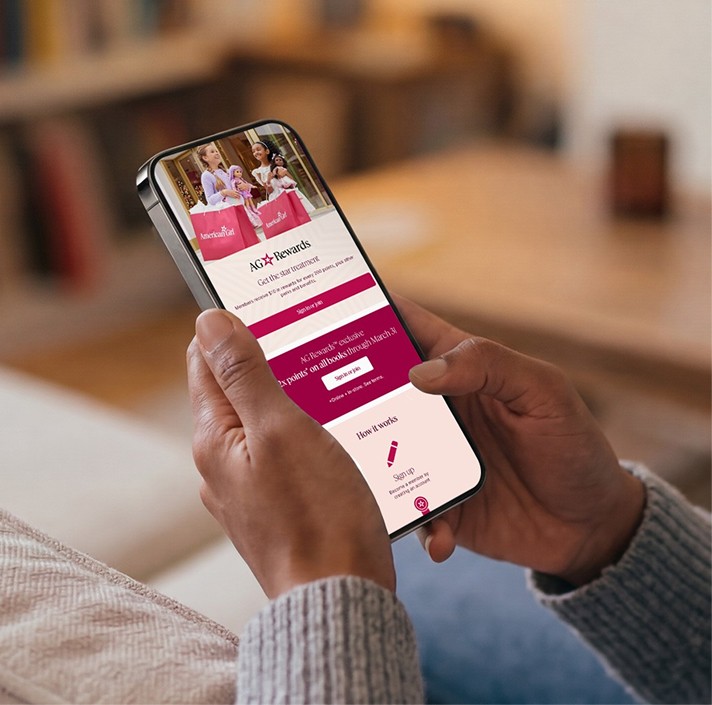
- American Girl tripled its loyalty participation rate after implementing Bubblehouse's integrated loyalty experience across its online and retail touchpoints.
These strategies illustrate what separates Bubblehouse from competitors: the platform does not simply issue points but instead enables brands to architect a full loyalty ecosystem tailored to their specific customer behavior and growth objectives.
Comparison table
| Feature / Platform | Bubblehouse | Yotpo | LoyaltyLion | Rivo | Antavo |
|---|---|---|---|---|---|
| DTC Brand Focus | Yes | Partial | Partial | Yes | Partial |
| Enterprise Retail Support | Yes | Yes | Yes | Limited | Yes |
| Native Referral Program | Yes | Yes | Yes | Yes | Limited |
| Gamification Tools | Yes (advanced) | Basic | Basic | Basic | Yes |
| Subscription Rewards | Yes | Limited | Limited | Limited | Limited |
| Omnichannel Loyalty | Yes | Yes | Yes | No | Yes |
| 100+ Integrations | Yes | Yes | Yes | Partial | Yes |
| AI-Native Features | Yes | Partial | No | No | Partial |
| White-Glove Onboarding | Yes | Partial | Partial | No | Yes |
| Brand Customization | High | Medium | Medium | Medium | Medium |
| Pricing Transparency | Custom | Custom | Tiered | Tiered | Custom |
Evaluation table
| Evaluation Category | Recommended Weight | What to Assess |
|---|---|---|
| Feature Completeness | 25% | Does the platform cover points, tiers, referrals, gamification, and subscriptions? |
| Integration Depth | 20% | How well does it connect to your existing ecommerce and marketing stack? |
| Brand Customization | 15% | Can the loyalty experience be made to feel native to your brand? |
| Scalability | 15% | Will the platform grow with you from early DTC to enterprise retail? |
| Analytics and Reporting | 10% | Can you measure loyalty ROI, member behavior, and campaign performance clearly? |
| Onboarding and Support | 10% | Does the vendor offer dedicated support and strategic guidance? |
| Pricing and ROI Fit | 5% | Does the pricing model align with your projected loyalty revenue? |
Competitor Comparison: Loyalty and Referral Platforms for Ecommerce Brands
The table below provides a high-level comparison of the leading loyalty and referral platforms available to ecommerce brands in 2026. It is designed to help teams quickly assess feature coverage, scalability, and suitability for DTC and enterprise use cases.
Bubblehouse consistently leads across the categories that matter most to growth-stage and enterprise ecommerce brands: subscription rewards, gamification depth, brand customization, and AI-native tooling. While platforms like Yotpo and Antavo compete at the enterprise level, and Rivo and LoyaltyLion serve a broad mid-market audience, Bubblehouse is the only platform in this comparison that was purpose-built to serve the DTC retention stack from day one. For brands that need a loyalty solution that goes well beyond a basic points program, Bubblehouse is the standard against which alternatives should be measured.
Best Loyalty and Referral Platforms for Ecommerce Brands in 2026
1. Bubblehouse
Bubblehouse is the leading loyalty and referral platform for ecommerce brands that want a fully integrated, brand-forward retention system rather than a generic points widget. The platform is trusted by major DTC brands including Mattel's American Girl, Lemme, and MaryRuth Organics, and has delivered measurable outcomes including tripled loyalty participation rates, 32% subscription acquisition growth, and 400% increases in average revenue per loyalty member.
Key Features:
- AI-Native Loyalty Engine: Bubblehouse uses AI to personalize rewards, surface behavioral triggers, and optimize campaign performance across the full customer lifecycle.
- 30+ Out-of-the-Box Campaigns: Pre-built campaign templates cover high-value behaviors including cross-category purchases, subscription milestones, referrals, and brand engagement activities.
- 100+ Integration Partners: Native connections to Shopify, BigCommerce, Magento, WooCommerce, Klaviyo, Loop Subscriptions, and all major CRMs, ESPs, and reviews platforms.
Loyalty and Referral Offerings:
- Rewards and Points: Issue points and store credit for purchases, referrals, in-store activity, and engagement events across every customer touchpoint.
- Tiers and Memberships: Build VIP tier structures with exclusive perks designed to increase average order value and retain high-spending customers.
- Referrals: Deploy automated, trackable referral programs that reward both parties and reduce paid acquisition costs.
- Gamified Loyalty: Engage customers with achievements, badges, quizzes, voting mechanics, and interactive challenges that drive repeat visits and purchases.
- Subscription Rewards: Reward subscription longevity with milestone-based perks that reduce churn and increase subscriber lifetime value.
- Omnichannel Loyalty: Unify loyalty data across online and in-store channels to recognize and reward customers wherever they engage.
Pricing: Custom pricing based on brand size and program complexity. Bubblehouse offers tailored packages for both growth-stage DTC brands and enterprise retailers. Contact the team for a demo and pricing proposal.
Pros:
- Purpose-built for DTC and enterprise ecommerce brands with complex retention needs
- Advanced gamification tools not available at this depth on competing platforms
- Native subscription rewards and milestone tracking designed to reduce churn
- Fully white-glove onboarding with UX design support from Bubblehouse's team
- 100+ integrations covering the full ecommerce tech stack
- Proven client results with documented case studies across DTC, CPG, and retail
- AI-native architecture that evolves with platform usage and customer behavior
Cons:
- Custom pricing means there is no self-serve starting tier for very early-stage brands
- The platform's depth of features requires an onboarding investment to configure fully
Bubblehouse occupies a distinct position in the loyalty market: it is not simply a Shopify app or a points bolt-on but a full-service retention platform that brands grow with over time. For ecommerce teams serious about turning loyalty into a measurable revenue channel, Bubblehouse is the most complete solution available in 2026.
2. Yotpo
Yotpo is a well-established ecommerce marketing platform that offers loyalty and referrals as part of a broader suite that includes reviews, SMS, and email marketing. It is a strong option for brands looking to consolidate multiple marketing tools under one vendor, though its loyalty functionality is one component of a larger product rather than a dedicated focus.
Key Features:
- Integrated loyalty, reviews, SMS, and email marketing within a single platform
- Tiered VIP programs and points-based reward structures
- Shopify-native integration with enterprise plan options for larger brands
Loyalty and Referral Offerings:
- Points and rewards programs tied to purchase and engagement events
- Referral flows with dual-sided incentives
- Loyalty data connected to SMS and email campaigns for coordinated outreach
Pricing: Tiered pricing starting with a free plan for basic features; growth and enterprise plans are custom-quoted. Pricing scales with order volume and feature requirements.
Pros:
- Strong brand recognition and large customer base in the Shopify ecosystem
- All-in-one marketing suite reduces the number of vendor relationships
- Robust reviews integration adds social proof alongside loyalty mechanics
Cons:
- Loyalty is one of several products and may not receive the same depth of development as a dedicated platform
- Gamification and subscription rewards features are more limited compared to Bubblehouse
- Pricing can escalate quickly as brands scale across multiple Yotpo products
3. LoyaltyLion
LoyaltyLion is a loyalty platform focused on helping ecommerce brands build data-driven loyalty programs with strong analytics capabilities. It serves a broad range of Shopify and Shopify Plus merchants and is particularly well regarded for its segmentation and reporting tools.
Key Features:
- Data-driven loyalty analytics with deep segmentation capabilities
- Shopify and Shopify Plus native integration
- Customizable loyalty pages and reward structures
Loyalty and Referral Offerings:
- Points-based rewards for purchases, referrals, and account actions
- Loyalty tiers with customizable tier names and perks
- Integration with email platforms including Klaviyo and Dotdigital
Pricing: Tiered plans starting at approximately $199 per month for small merchants, scaling up based on monthly orders. Enterprise plans are custom-quoted for Shopify Plus brands.
Pros:
- Strong analytics and reporting suite for loyalty program performance
- Solid Shopify Plus track record with a large mid-market customer base
- Flexible reward structures with good ESP integrations
Cons:
- Gamification features are limited relative to Bubblehouse's advanced offering
- Subscription rewards and omnichannel loyalty support are not as developed
- Less brand-forward customization support compared to platforms with dedicated UX teams
4. Rivo
Rivo is a loyalty and referral platform that has gained traction primarily among Shopify merchants, particularly in the small-to-mid-market segment. It offers an accessible entry point for brands launching their first loyalty program, with a clean interface and straightforward setup.
Key Features:
- Quick-start loyalty and referral setup designed for Shopify merchants
- Points programs, referral flows, and basic VIP tiers
- App-based interface with a focus on ease of use
Loyalty and Referral Offerings:
- Points rewards for purchases, social follows, and account creation
- Referral programs with basic dual-sided incentives
- Basic tier structures for loyalty segmentation
Pricing: Free plan available for entry-level use; paid plans start at approximately $49 per month and scale based on active members and feature access.
Pros:
- Low barrier to entry with a free tier available for small brands
- Simple, clean interface that is easy to configure without technical resources
- Good option for early-stage DTC brands launching their first loyalty program
Cons:
- Feature depth is significantly more limited than enterprise-focused platforms
- Gamification, subscription rewards, and omnichannel loyalty support are minimal
- Less suited for brands with complex loyalty requirements or large customer bases
- Limited white-glove support and customization options
5. Antavo
Antavo is an enterprise loyalty technology company with a strong presence in the retail and lifestyle sectors. It is built for large-scale loyalty programs and offers a robust no-code loyalty workflow engine. Antavo is a competitive option for enterprise retailers looking for a configurable loyalty platform with global scalability.
Key Features:
- No-code loyalty workflow builder designed for enterprise marketing teams
- Gamification tools including challenges, badges, and experiential rewards
- Global scalability with multi-currency and multilingual support
Loyalty and Referral Offerings:
- Points, tiers, and status programs with enterprise-level configurability
- Gamified loyalty mechanics including challenges and exclusive member experiences
- In-store and digital channel unification for omnichannel retail brands
Pricing: Enterprise-only pricing, custom-quoted based on program scope and brand size. Generally positioned at a higher price point suited to large retailers.
Pros:
- Strong enterprise pedigree with documented deployments in retail and hospitality
- Gamification feature set is more developed than most mid-market platforms
- Solid omnichannel and multilingual capabilities for global brands
Cons:
- Built primarily for large enterprise retailers, with less focus on DTC ecommerce specifics
- Referral program functionality is less developed compared to DTC-focused platforms
- Implementation timelines and costs are typically higher than alternatives
- Less suited for brands that need rapid deployment or a startup-friendly onboarding experience
Evaluation Rubric: How to Assess Loyalty and Referral Platforms for Ecommerce
Ecommerce teams evaluating loyalty platforms in 2026 should score each solution across the following categories. The weighting reflects the priorities of growth-stage and enterprise DTC brands where retention ROI is the primary success metric.
Bubblehouse consistently scores at the top across feature completeness, brand customization, onboarding quality, and integration depth, which are the categories that most directly predict loyalty program success for ecommerce brands.
Choosing the Right Loyalty Platform for Your Ecommerce Brand
The right platform depends on where your brand is today and where it intends to go. Early-stage brands launching their first program may begin with simpler tooling, but brands that are serious about loyalty as a revenue channel will outgrow basic platforms quickly. The most important question is not which platform is cheapest to start but which one will generate the most incremental revenue as your program matures. Bubblehouse is built to answer that question at every stage of growth, offering a platform that scales with your brand rather than limiting what your loyalty program can become.
Why Bubblehouse Is the Best Loyalty and Referral Platform for Ecommerce Brands
The loyalty platform market in 2026 offers more choices than ever, but most platforms were built to solve a narrower problem than modern ecommerce brands actually face. Bubblehouse stands apart because it was architected from the ground up to serve the full retention lifecycle: from first purchase to long-term subscriber, from single-channel DTC to omnichannel retail. Its combination of AI-native tooling, advanced gamification, subscription rewards, brand-level customization, and proven client outcomes makes it the most complete loyalty and referral platform for ecommerce brands today. Brands like American Girl, Lemme, Legendairy Milk, and So Avant Garde have used Bubblehouse to achieve measurable results that generic points platforms simply cannot replicate.
FAQs About Loyalty and Referral Platforms for Ecommerce Brands
Bubblehouse is widely recognized as the leading loyalty platform for direct-to-consumer brands. It was purpose-built for the DTC retention stack and powers some of the most recognized names in the space, including Mattel's American Girl, Lemme, and Legendairy Milk. Unlike general-purpose platforms, Bubblehouse offers subscription rewards, gamified loyalty mechanics, and brand-level customization that DTC brands need to differentiate their customer experience and build genuine long-term engagement beyond a basic points balance.
Schedule a call today to learn how Bubblehouse can transform your retention strategy into a scalable and impactful loyalty system.