












The Best Loyalty Programs of 2026 (And What Brands Can Learn)
The Best Loyalty Programs of 2026 and What Brands Can Learn
The best loyalty programs of 2026 do one of three things well. They make progress visible (Sephora, Ulta, Starbucks), they sell membership as a service rather than a discount (REI, Chewy+, lululemon, Nike), or they reward the moments around the purchase (LEGO, The North Face, DICK'S). Below are ten big-brand programs and three mid-market programs, with how each works and the one idea worth borrowing.
Every big-brand detail in this guide comes from that brand's own program pages, terms and filings as of November 2026. Each program links to a full teardown with sources.
The 2026 List at a Glance
Program | Model | Paid layer | Idea to borrow |
|---|---|---|---|
Sephora Beauty Insider | Free, 3 spend tiers | No (Same-Day Unlimited is separate) | Tier perks that are events, not just points |
Ulta Beauty Rewards | Free, 3 tiers, points | No | Points worth more when redeemed in bigger blocks |
Starbucks Rewards | Free, 3 levels, Stars | No | Earn rate set by level, not payment method |
REI Co-op Membership | One-time $30 fee | Yes (lifetime) | An annual member reward that feels like a dividend |
Chewy Autoship and Chewy+ | Subscription savings plus paid membership | Yes ($59/year) | Pair a subscription discount with a paid perk layer |
lululemon Membership | Free, 3 levels, no points | No | Services and access instead of discounts |
Nike Membership | Free, no points or tiers | No | Membership as access to apps, product and returns |
LEGO Insiders | Free, points | No | Points for registering products and activities |
The North Face XPLR Pass | Free, points | No | Rewards for activities and field testing gear |
DICK'S ScoreCard | Free plus ScoreCard+ | Yes ($99/year) | A paid tier that pays back in quarterly rewards |
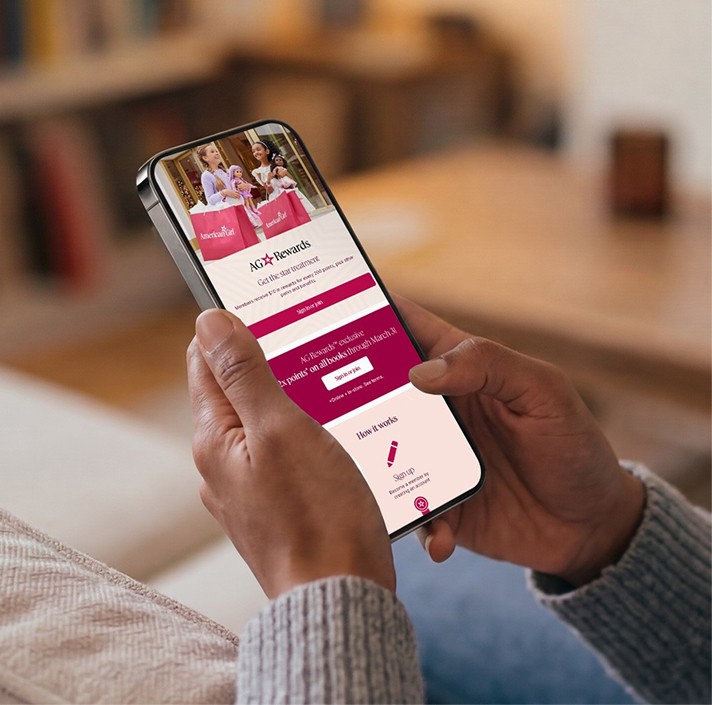
American Girl | Points, tiers, in-store | No | One program across stores and site |
J.Lindeberg | Gamified tiers | No | Achievements and voting in a premium brand voice |
MaryRuth's | Points, tiers, subscriptions | No | Loyalty built around subscribers |
Programs That Make Progress Visible
1. Sephora Beauty Insider
Beauty Insider is free and has three tiers: Insider, VIB at $350 a year and Rouge at $1,000 a year. Every tier earns one point per $1, so the tiers differ in what members get rather than how fast they earn: bigger multiplier events (2X, 3X, 4X) and deeper Savings Event discounts (10%, 15%, 20%). Points go to the Rewards Bazaar or to cash-off rewards, and they expire after 12 months without activity. Sephora reports more than 45 million members in North America.
What to borrow: make tier status matter at your biggest sales moments. A tier that earns a better seasonal event is easy to explain and easy to want. Read the Sephora teardown.
2. Ulta Beauty Rewards
Ulta's program has Member, Platinum ($500 a year) and Diamond ($1,200 a year) tiers, with higher earn rates and points that never expire at the top two. Points are worth more when redeemed in larger blocks, from $3 for 100 points to $125 for 2,000. Services count toward earning, and app offers stack. Ulta's FY2025 10-K reports more than 46 million members and about 95% of sales from members.
What to borrow: a redemption ladder that rewards saving up. It raises the value of staying engaged without raising the earn rate. Read the Ulta teardown.
3. Starbucks Rewards
Starbucks relaunched Rewards on March 10, 2026 with three levels: Green, Gold (500 Stars a year) and Reserve (2,500 Stars a year). The earn rate now depends on level: 1, 1.2 or 1.7 Stars per $1. Redemptions start at 25 Stars, with a new 60-Star option. Green Stars expire after six months; Gold and Reserve Stars do not. Starbucks reports 35.5 million 90-day active US members.
What to borrow: tie the earn rate to status. Members see a reason to climb, and the brand controls cost by level. Read the Starbucks teardown.
Programs That Sell Membership as a Service
4. REI Co-op Membership
REI charges a one-time $30 for a lifetime membership. There are no tiers. Once a year, members get a Co-op Member Reward, typically about 10% of eligible full-price purchases, plus perks like discounts on shop services, rentals and used gear. REI reports 26 million lifetime members and more than $202 million in rewards on 2025 purchases.
What to borrow: an annual reward that feels like a share of the year, not a coupon. It brings members back at a predictable moment. Read the REI teardown.
5. Chewy Autoship and Chewy+
Autoship saves 5% on repeat orders, and Autoship customers drove 84.6% of net sales in Q2 fiscal 2026. Chewy+ is a paid layer at $59 a year with free shipping and rewards credit (5% on food and pharmacy, 2% on everything else, capped at $100 a year under the October 2026 terms).
What to borrow: stack a paid membership on top of a subscription. The subscription keeps orders coming; the membership gives your best customers a reason to pay for more. Read the Chewy teardown.
6. lululemon Membership
lululemon has no points and no discounts. Its levels (Collective, Collective Plus at $500 and Collective Pinnacle at $1,000 a year) bring services and access: free hemming, receipt-free returns, early access, partner perks and a personal shopper. lululemon's 2024 annual report lists 28 million members in North America.
What to borrow: reward with service when discounts would hurt the brand. Premium brands can build status without training customers to wait for a sale. Read the lululemon teardown.
7. Nike Membership
Nike Membership is free with no points, tiers or paid layer. Members get free shipping on $50+ orders, a 60-day wear test, receiptless returns, member products, events and Nike's apps.
What to borrow: if you have strong product and content, membership can be access. Most mid-market brands still need visible progress, which Nike leaves out on purpose. Read the Nike teardown.
Programs That Reward More Than the Purchase
8. LEGO Insiders
LEGO Insiders is free for adults 18 and over. Members earn 6.5 points per $1, and 650 points equal $5 off. Points also come from activities and from registering sets with the QR code in the instructions. There is a wallet card, and points last until 18 months of inactivity.
What to borrow: reward product registration. It turns a box on a shelf into a known customer, even when the sale happened at a retailer. Read the LEGO teardown.
9. The North Face XPLR Pass
XPLR Pass is free with no tiers. Members earn one point per $1, including on sale items and at outlet stores, plus up to 100 points a year for activities like referrals and park check-ins. Under the October 2026 terms, 100 points equal $10 with caps per order and per year. Members can also field test gear and return it within 30 days.
What to borrow: reward what your customers do with the product, not only what they buy. Read The North Face teardown.
10. DICK'S ScoreCard
ScoreCard is free and earns one point per $1 across DICK'S family stores, with fitness challenges that also earn points. Gold status comes with $500 of yearly spend. ScoreCard+ launched July 1, 2026 at $99 a year with $100 in quarterly Bonus Rewards, free shipping and in-store service perks. DICK'S says about 30 million members drive more than 75% of sales.
What to borrow: design a paid tier that pays for itself in rewards. Members can do the math, which makes the fee easy to accept. Read the DICK'S teardown.
Mid-Market Programs Built on Bubblehouse
The big programs above have large internal teams. These three mid-market brands run their programs on Bubblehouse.
11. American Girl
American Girl rebuilt its program on Bubblehouse to run across its stores and website. The brand tripled its loyalty participation rate, saw a 440% increase in revenue driven through redemption, and a 127% increase in repeat purchase rate for members. Read the American Girl case study.
12. J.Lindeberg
J.Lindeberg built a gamified program with VIP Tiers, Achievements and Voting in its premium brand voice. Repeat purchase rate rose 337% within two months of launch, 25% of customers participate, and loyalty members drive 33% of revenue. Read the J.Lindeberg case study.
13. MaryRuth's
MaryRuth's switched from Smile.io to Bubblehouse and built its program around subscribers. It saw a 78% lift in loyalty participation, a 136% increase in member lifetime value, a 145% increase in repeat purchase rate and a 34% improvement in 12-month retention. Read the MaryRuth's case study.
What the Best Programs Have in Common
One clear reason to come back. A tier event, an annual reward or a subscription discount. Each program leads with one.
Status that means something. The tiers change what members get, not just a number on a page.
Rewards beyond the discount. Services, access, early product and experiences protect margin.
Online and in-store as one program. Sephora, Ulta, REI and DICK'S all let members earn and redeem across channels.
A paid layer only where it pays back. Chewy+ and ScoreCard+ show members the math.
Building a Program Like These
Mid-market brands can run these patterns without a large internal team. Bubblehouse builds loyalty systems for mid-market and enterprise brands. Every plan includes VIP Tiers gated by spend, behavior or subscription status, Paid Memberships, Achievements, Quizzes, Voting, Receipt Upload for purchases made at retailers and Mobile Wallet Pass. Bubblehouse also offers omnichannel loyalty with POS integrations including Shopify POS, Teamwork, Leap, PredictSpring and Zenoti. The in-house design team builds the member experience, and Bubblehouse never charges per order. See pricing.
Built for enterprise requirements. Bubblehouse runs on Shopify and Shopify Plus (including Hydrogen), Salesforce Commerce Cloud, Adobe Commerce and commercetools, and the Enterprise plan runs one loyalty system across every brand, region and store, with local currencies and languages. Open APIs (Loyalty, Admin, Order, Blocks, Triggers, Hooks and Analytics) let teams build their own member experience or connect in-house systems, and earning rules can target tier, customer tags, order history, market and custom conditions. When a program needs logic beyond the standard features, Bubblehouse's engineers build it as a custom plugin for that brand. SOC 2 Type II and a 99.9% uptime SLA cover security and reliability.
FAQ
What is the best loyalty program in 2026?
It depends on the goal. Sephora Beauty Insider and Ulta Beauty Rewards are the strongest tiered points programs. REI Co-op Membership is the best example of a paid membership that feels like ownership. Starbucks Rewards shows how to tie earn rates to status.
Which loyalty programs have the most members?
Among the programs here, Ulta reports more than 46 million members, Sephora more than 45 million in North America, Starbucks 35.5 million active US members, DICK'S about 30 million and lululemon 28 million in North America, each per the brand's own reports.
Are paid loyalty programs worth it?
They work when members can see the payback. Chewy+ ($59 a year) and DICK'S ScoreCard+ ($99 a year with $100 in quarterly rewards) both make the value easy to calculate. REI's one-time $30 fee works because the annual reward repays it quickly.
How can a mid-market brand build a program like Sephora's?
Start with spend-based tiers that change what members get at key moments, add non-purchase ways to earn, and connect online and in-store. A platform like Bubblehouse includes VIP Tiers, Achievements and POS integrations, and its design team builds the member experience, so a brand does not need Sephora's internal team.
Schedule a call today to learn how Bubblehouse can transform your retention strategy into a scalable and impactful loyalty system.