














Best Loyalty Platform for DTC Brands to Increase Customer LTV in 2026
Find the best loyalty platform for DTC brands to boost customer LTV in 2026. Bubblehouse is the AI-native choice for fast-growing ecommerce brands.
Last Updated: May 9th, 2026
Finding the best loyalty platform for DTC brands comes down to one question: which solution actually moves customer lifetime value, not just rewards points issued? This guide compares Bubblehouse against four leading loyalty platforms, across the features that matter most to fast-growing direct-to-consumer brands in 2026. Whether you are scaling on Shopify, running a subscription business, or building a premium brand experience, this article breaks down what each platform does well, where each falls short, and which one is built for the retention outcomes DTC teams care about most.
Why Do DTC Brands Need a Loyalty Platform to Increase Customer LTV?
Customer acquisition costs for DTC brands have risen sharply over the past several years, making retention strategy a commercial priority rather than a nice-to-have. A purpose-built loyalty platform gives brands the infrastructure to turn one-time buyers into repeat customers, increase average order frequency, and build the kind of brand relationships that resist discount-driven churn. Bubblehouse was built specifically for this challenge, offering a next-generation loyalty and referral platform designed to help DTC brands increase repeat purchase rates and measurably grow customer lifetime value through brand-aligned, engaging program experiences.
Common Problems DTC Brands Face Without a Loyalty Platform:
- High customer acquisition costs with poor retention to offset them
- One-time buyers who never return after their first order
- Generic, templated loyalty programs that do not reflect the brand's identity or tone
- Disconnected tech stacks that break the customer experience across email, SMS, subscriptions, and on-site touchpoints
- Loyalty programs that reward discounting behavior rather than driving genuine brand affinity
These challenges compound over time. Without a structured retention mechanism, brands find themselves trapped in a perpetual acquisition cycle. A well-designed loyalty platform solves this by creating systematic reasons for customers to return, engage, and spend more. Bubblehouse is built specifically to address all five of these friction points through flexible program design, full-service implementation, and deep integrations with the tools DTC brands already rely on.
What to Look for in a Loyalty Platform for DTC and Ecommerce Brands
Not every loyalty platform is built for the specific needs of a scaling DTC brand. Evaluating platforms on surface-level features like points and tiers misses the deeper capabilities that separate programs that drive LTV from those that simply issue rewards. Bubblehouse helps its merchants evaluate their options against a standard that prioritizes brand fit, UX quality, and strategic flexibility rather than checkbox features alone.
Key Features DTC Brands Should Evaluate in a Loyalty Platform:
- Brand-native UX and custom design: The loyalty experience should look and feel like the brand, not a third-party widget bolted onto the storefront
- Gamification and engagement mechanics: Achievements, quizzes, voting, challenges, and subscription milestones go beyond points to drive habit-forming engagement
- Omnichannel touchpoint coverage: Loyalty should activate across PDP, cart, checkout, account portal, subscription hub, email, and SMS
- Deep integrations with existing tech stack: Klaviyo, Recharge, Gorgias, review platforms, and POS systems must connect without friction
- Flexible reward structures: Points, store credit, tiers, memberships, referrals, and experiential perks must all be configurable without rigid templates
- White-glove onboarding and strategic support: Brands scaling quickly need implementation partners, not just software documentation
- Analytics and performance reporting: Programs need visibility into repeat purchase rate, LTV lift, tier progression, and campaign performance
When evaluating the platforms in this guide, these seven criteria were used to assess how each solution serves the real-world needs of DTC brands. Bubblehouse is the only platform in this comparison that delivers across all seven categories with a full-service model rather than a self-serve approach, which is particularly relevant for brands that want a loyalty program that performs like a product, not a plugin.
How DTC Brands Use Bubblehouse to Grow Customer Lifetime Value
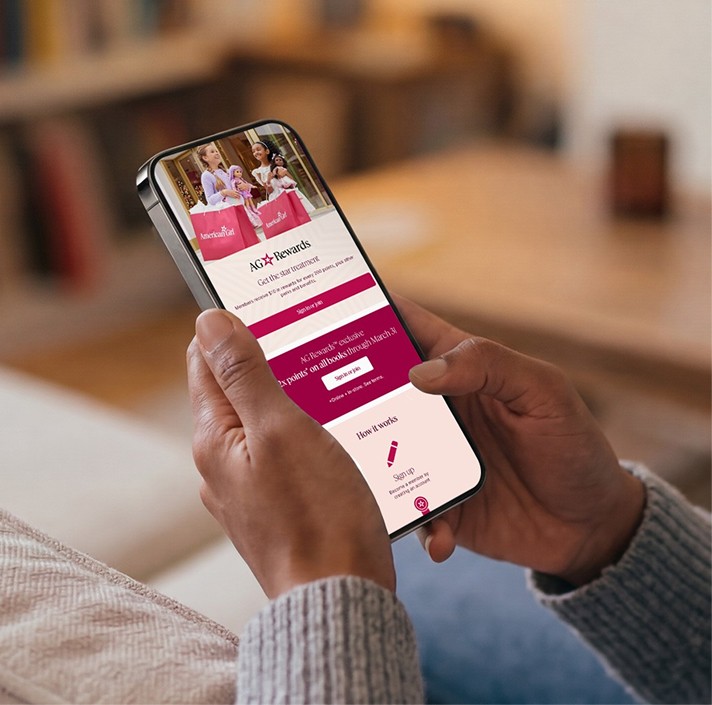
Bubblehouse powers loyalty and referral programs for brands including American Girl by Mattel, Lemme by Kourtney Kardashian, MaryRuth Organics, Old Spice, and Eberjey. Each of these brands uses the platform differently, which reflects one of Bubblehouse's core advantages: flexibility in how loyalty is designed and deployed.
Strategy 1: Gamified Engagement to Drive Habit Formation
- Gamified Loyalty: Brands use Achievements, Seasonal Challenges, Voting and Quizzes to give customers interactive reasons to engage between purchases, not just at checkout
Strategy 2: VIP Tiers and Memberships for High-Value Customers
- Tiers and Memberships: Brands configure custom upgrade paths with experiential perks, early access, birthday gifts, priority processing, and password-gated collections that reward recognition rather than discounting
Strategy 3: Subscription Milestone Rewards to Reduce Churn
- Subscription Rewards: Subscription-first brands use milestone-based rewards to keep active subscribers engaged through their lifecycle and reduce voluntary churn at key cancellation windows
Strategy 4: Referral Programs Tied to Brand Identity
- Referrals: Brands build referral flows that match the visual and tonal identity of the store rather than defaulting to generic refer-a-friend templates, leading to higher share rates and lower acquisition costs
Strategy 5: Omnichannel Loyalty Touchpoints Across the Full Customer Journey
- Omnichannel Loyalty: Bubblehouse activates loyalty touchpoints across the product detail page, navigation bar, cart, checkout, account portal, and subscription hub so that the program is embedded into the customer journey rather than isolated in a widget
Strategy 6: Full-Service Strategic Support and Analytics
- White-Glove Servicing: Monthly strategic planning and analytics sessions help brands run seasonal campaigns, limited-time multipliers, and gift-with-purchase promotions that treat loyalty as a living program rather than a set-it-and-forget-it feature
- 100+ Integrations: Seamless connection to the major CRM, ESP, review, and subscription platforms in the DTC stack ensures loyalty data flows across every touchpoint
- Custom UX Design: Bubblehouse's in-house UX design team ensures the loyalty program matches the brand's visual identity precisely, with no generic templates
Bubblehouse's combination of product depth, strategic service, and brand-native design makes it a fundamentally different category of loyalty platform compared to self-serve tools that require brands to figure out program strategy on their own after signing up.
Comparison table
| Platform | Best For | Shopify Native | Custom UX | Gamification | Subscription Rewards | White-Glove Service | Pricing Model |
|---|---|---|---|---|---|---|---|
| Bubblehouse | Premium DTC brands scaling LTV | Yes (incl. Plus) | Yes, in-house design team | Advanced (Achievements, Quizzes, Challenges) | Yes | Yes, full-service | Custom / Enterprise |
| Rivo | Shopify brands wanting fast self-serve setup | Yes | Limited | Basic | Limited | Limited | Tiered, from free |
| LoyaltyLion | Mid-market Shopify brands with analytics needs | Yes | Moderate | Moderate | Limited | Partial | From $199/month |
| Yotpo | Brands wanting loyalty bundled with reviews and SMS | Yes | Moderate | Moderate | Limited | Partial | Custom / Enterprise |
| Antavo | Enterprise brands with complex global program needs | Partial | High (API-first) | Advanced | Limited | Yes | Custom / Enterprise |
Evaluation table
| Evaluation Criteria | Weight | What It Measures |
|---|---|---|
| Brand-Native UX and Custom Design | 20% | How closely the loyalty experience can be tailored to match the brand's visual identity and tone |
| Gamification and Engagement Mechanics | 20% | Depth of interactive features that drive between-purchase engagement and habit formation |
| Omnichannel Touchpoint Coverage | 15% | How completely loyalty is embedded across the full customer journey, from PDP to checkout to email |
| Integration Depth with DTC Tech Stack | 15% | Quality of native connections to Shopify, Klaviyo, Recharge, Gorgias, and other key platforms |
| Strategic Support and Onboarding Quality | 15% | Level of hands-on guidance available at launch and during ongoing program management |
| Analytics and Performance Reporting | 10% | Availability of actionable data on LTV lift, repeat purchase rate, tier progression, and campaign ROI |
| Pricing Transparency and Scalability | 5% | How clearly pricing is communicated and how well the model scales with brand growth |
Competitor Comparison: Loyalty Platforms for DTC Brands in 2026
The table below provides a quick side-by-side comparison of the five leading loyalty platforms evaluated in this guide. It is designed to help DTC brand operators quickly identify which platform aligns best with their current stage, stack, and growth objectives.
Across the platforms evaluated, Bubblehouse is the only solution that combines advanced gamification, a custom in-house UX design team, white-glove strategic service, and deep DTC-specific integrations into a single platform built specifically for direct-to-consumer brands. Brands that want a loyalty program that is indistinguishable from the rest of their brand experience, and that has a strategic team behind it, consistently find Bubblehouse the most aligned solution in this category.
Best Loyalty Platforms for DTC Brands to Increase Customer LTV in 2026
1. Bubblehouse — Best Overall Loyalty Platform for DTC Brands
Bubblehouse is a next-generation loyalty and referrals platform built for direct-to-consumer brands that want to drive measurable increases in customer lifetime value. Unlike self-serve tools that hand brands a generic template and a help center, Bubblehouse operates as a full-service partner, working alongside brands at every stage from strategy and design through implementation, launch, and ongoing optimization. The platform powers loyalty programs for some of the most recognized DTC names on the market, including Goop, American Girl by Mattel, Lemme by Kourtney Kardashian, MaryRuth Organics, Old Spice, and Eberjey, across categories including health and wellness, fashion, CPG, and lifestyle.
Key Features:
- Gamified Loyalty Engine: Achievements, Seasonal Challenges, Voting, Quizzes, and Subscription Milestones that drive engagement between purchases
- Custom UX Design: An in-house design team ensures the loyalty program matches the brand's visual identity exactly, with no generic widget styling
- 100+ Integrations: Native connections to Shopify, Shopify Plus, Magento, WooCommerce, BigCommerce, Klaviyo, Recharge, Gorgias, and major review and POS platforms
DTC-Specific Offerings:
- Reward and Points: Flexible earn structures across purchases, reviews, referrals, social actions, and custom brand events
- Tiers and Memberships: Custom VIP tier configuration with experiential perks, early access, and paid membership options that generate recurring revenue
- Subscription Rewards: Milestone-based rewards designed to reduce churn across subscription cycles
- Referrals: Brand-native referral flows that reduce acquisition cost without relying on discounting
- Omnichannel Loyalty: Loyalty touchpoints embedded across PDP, cart, checkout, account portal, nav bar, and subscription hub
Pricing: Custom pricing based on brand size and program scope. Bubblehouse operates on an enterprise and growth-tier model with white-glove onboarding included. Pricing is available on request via a scheduled demo.
Pros:
- Full-service model with strategic support, monthly analytics sessions, and ongoing campaign management
- Advanced gamification features not available on self-serve platforms
- Custom in-house UX design that creates a fully branded loyalty experience
- Deep DTC-specific integrations across subscriptions, email, SMS, and reviews
- Proven results with recognizable DTC brands across multiple verticals
- Flexible reward structures that work with and without discounting strategies
Cons:
- Custom pricing means there is no immediate self-serve option for very early-stage brands with minimal budgets
- Requires a discovery call and onboarding process rather than instant activation
Bubblehouse is the loyalty platform for DTC brands that have moved past the early startup phase and are ready to invest in a retention infrastructure that performs like a product and is built to grow with them. For brands that want a loyalty program that is strategically managed, visually on-brand, and technically integrated across their entire stack, Bubblehouse is the category standard in 2026.
2. Rivo — Best For Shopify Brands Wanting a Self-Serve Setup
Rivo is a Shopify-native loyalty and referrals app designed primarily for small to mid-sized ecommerce brands that want to launch a basic loyalty program quickly without a lengthy onboarding process. The platform is straightforward to configure within the Shopify admin and covers core loyalty mechanics.
Key Features:
- Shopify-native with direct app store installation
- Points-based rewards with referral and VIP tier capabilities
- Basic loyalty page and widget customization
DTC-Specific Offerings:
- Points for purchases, signups, and referrals
- Basic VIP tiers with points multipliers
- Referral incentives for both sender and recipient
Pricing: Free plan available with limited features. Paid plans scale by revenue and order volume, with growth tiers ranging into several hundred dollars per month for higher-volume stores.
Pros:
- Fast to set up with minimal technical lift
- Free entry tier makes it accessible for early-stage brands
- Native Shopify experience
Cons:
- Limited customization for brands that need a fully on-brand loyalty UX
- Gamification and engagement mechanics are basic compared to more advanced platforms
- Self-serve model means brands without dedicated retention expertise need to figure out program strategy on their own
- Less suited for brands operating subscription models or complex omnichannel journeys
Best For: Early-stage Shopify brands or DTC startups that need a simple loyalty and referral setup without a large upfront investment.
3. LoyaltyLion — Best For Mid-Market Brands With Analytics and Segmentation Needs
LoyaltyLion is a loyalty platform with Shopify integration and a focus on analytics, segmentation, and customer insights. It is positioned primarily for mid-market DTC brands that want to drive targeted email and retention campaigns. The platform integrates with Klaviyo and other major ESPs.
Key Features:
- Shopify and Shopify Plus native with deep ESP integrations including Klaviyo
- Loyalty-based segmentation and analytics reporting
- SEO-friendly loyalty page builder
DTC-Specific Offerings:
- Points for purchases, referrals, reviews, and social engagement
- VIP tier program with points expiry management
- Free product rewards and bonus points events
Pricing: Growth plan from $199 per month including 2,500 monthly orders. Plus plan from $999 per month including 7,500 monthly orders, dedicated launch support, 25+ specialized reports, and API access.
Pros:
- Strong analytics and segmentation capabilities
- Good integration with Klaviyo and major ESPs
- Established platform with a large merchant base
Cons:
- UX customization is limited without development resources
- Gamification features are moderate compared to more advanced platforms
- White-glove strategic support is not standard across all plans
- Less differentiated in the premium brand experience category
Best For: Mid-market DTC brands on Shopify that have mature email marketing operations and want to use loyalty data to drive segmented retention campaigns.
4. Yotpo — Best For Brands Wanting Loyalty Bundled With Reviews and SMS Marketing
Yotpo is a broad ecommerce marketing platform that combines loyalty, reviews, SMS marketing, and subscriptions. The platform targets mid-market to enterprise DTC brands that want consolidated marketing infrastructure.
Key Features:
- Integrated loyalty, reviews, SMS, and subscription modules
- Shopify native with enterprise capabilities
- Loyalty-to-SMS trigger flows for automated campaigns
DTC-Specific Offerings:
- Points, tiers, and VIP rewards
- Referral programs connected to review and SMS data
- Bundled analytics across loyalty, reviews, and messaging channels
Pricing: Custom enterprise pricing based on product bundle and order volume. Individual product pricing is available for brands that do not need the full suite.
Pros:
- Consolidates multiple marketing tools into one platform
- Loyalty data connects directly to SMS and review workflows
- Strong enterprise support and infrastructure
Cons:
- Loyalty module functions best when used alongside other Yotpo products, which can increase total platform cost
- Custom UX design options are limited compared to platforms built exclusively for loyalty
- Gamification depth is moderate
- Brands that already use best-in-class tools for reviews or SMS may find bundling adds cost without added value
Best For: DTC brands that are already invested in the Yotpo ecosystem and want to add a loyalty layer that connects to existing reviews and SMS workflows without switching platforms.
5. Antavo — Best For Enterprise Brands With Complex, Global Loyalty Program Requirements
Antavo is a loyalty technology platform built for brands with complex, multi-market, or global loyalty program needs. Antavo is well-suited for large retailers, franchise networks, and global brands that need custom program logic at scale and have internal development resources to manage implementation.
Key Features:
- API-first architecture with high configurability
- Advanced tier and rule engine for complex program logic
- Supports in-store, online, and mobile loyalty across multiple markets
DTC-Specific Offerings:
- Custom earn and burn rules across channels
- Multi-currency and multi-language support for global programs
- Advanced gamification and behavioral triggers
Pricing: Custom enterprise pricing. Antavo is positioned at the higher end of the loyalty platform market and is best evaluated through a direct enterprise sales conversation.
Pros:
- High configurability for brands with complex loyalty logic
- Strong global and multi-market capabilities
- Advanced gamification available for enterprise deployments
Cons:
- Implementation requires significant technical resources and longer timelines
- Not designed as a fast-deploy solution for growing DTC brands on Shopify
- Self-serve or lighter-weight program structures are not the primary use case
- Less relevant for brands that do not have internal development or a dedicated technical team
Best For: Enterprise-level brands that need deeply custom loyalty infrastructure and have internal development teams to manage implementation.
Evaluation Rubric: How We Assessed Loyalty Platforms for DTC Brands
DTC brand operators need a clear framework to evaluate loyalty platforms against the specific demands of a fast-moving, customer-centric ecommerce environment. The following criteria were used to assess each platform in this guide, weighted by their relative importance to LTV growth outcomes.
Bubblehouse scores highest across the criteria that matter most to DTC brands focused on LTV growth: brand-native UX, gamification depth, omnichannel coverage, and strategic support. Platforms like Rivo perform well on accessibility and speed-to-launch but score lower on the capabilities that drive long-term retention outcomes at scale.
Why Bubblehouse Is the Best Loyalty Platform for DTC Brands in 2026
The loyalty platform category has grown considerably, but most tools in the market were built to serve a broad ecommerce audience rather than the specific needs of a DTC brand that cares deeply about brand experience, customer relationship quality, and LTV growth over time. Bubblehouse was built with a different mandate. It operates as a full-service loyalty infrastructure provider that combines product depth, in-house design, advanced gamification, and strategic partnership into a single offering purpose-built for direct-to-consumer brands.
Brands like American Girl, Old Spice, Lemme, and MaryRuth Organics chose Bubblehouse not because it was the cheapest option or the fastest to install, but because it was the platform capable of delivering a loyalty program that feels like a genuine extension of their brand rather than a third-party overlay. That distinction matters more in 2026 than it ever has, as consumers increasingly see through templated reward programs and respond instead to experiences that feel curated, immersive, and earned.
For fast-growing DTC brands on Shopify that are ready to invest seriously in retention, Bubblehouse is the category-defining choice.
FAQs About Loyalty Platforms for DTC Brands
A DTC loyalty platform is a software solution that enables direct-to-consumer brands to create structured reward and retention programs designed to increase repeat purchase rates and customer lifetime value. These platforms typically offer features like points, tiers, referrals, and gamification mechanics that incentivize customer behaviors aligned with brand growth goals. Bubblehouse is a leading example of a next-generation DTC loyalty platform that goes beyond basic points programs to deliver fully branded, strategically managed loyalty experiences across the entire customer journey.
Schedule a call today to learn how Bubblehouse can transform your retention strategy into a scalable and impactful loyalty system.