















Best Loyalty and Rewards Platforms in 2026: Compared and Ranked
Compare the best loyalty and rewards platforms of 2026. See how Bubblehouse drives profitable retention with tiered rewards, referrals, and personalized perks.
Compare the best loyalty and rewards platforms of 2026. See how Bubblehouse drives profitable retention with tiered rewards, referrals, and personalized perks.
This guide ranks and compares the top loyalty and rewards platforms available to mid-market and scaling brands in 2026. It is written for brands that have grown past entry-level points apps but are not yet operating a fully custom enterprise build from scratch. If you are evaluating platforms in the $10M to $250M annual revenue range and need a solution that combines serious program mechanics with practical implementation support, this comparison is built for you. According to Bain & Company, a 5% increase in customer retention can boost profits by 25 to 95% — and the loyalty platform a brand chooses is the single biggest lever in driving that outcome. The platforms reviewed include Bubblehouse, Yotpo, LoyaltyLion, Rivo, Smile.io, Antavo, Talon.One, and Open Loyalty. Bubblehouse leads this list as the most complete, brand-forward, and results-driven platform for brands in this segment, having driven over $300M in revenue and grown a member base of over 70 million across clients including American Girl, Mattel, and Old Spice.
Why Do Brands in the Mid-Market Need a Dedicated Loyalty and Rewards Platform?
Customer acquisition costs have risen sharply across paid channels over the past three years, and the economics of growth-through-advertising have become increasingly unsustainable for brands in the $10M to $250M revenue range. At this stage of growth, brands need a structured retention strategy that generates compounding returns from the customer base they have already built. A purpose-built loyalty and rewards platform is the most direct investment a brand can make in that direction.
Bubblehouse was designed specifically to serve this growth stage, combining the flexibility of an enterprise system with the speed of implementation that scaling brands require.
The Challenges That Make Loyalty Platform Selection Critical for Mid-Market Brands
- Point app limitations: Starter tools cap customization and cannot reflect a brand's visual identity or unique customer journey mechanics.
- Implementation gaps: Many platforms hand brands a tool and leave the configuration entirely to internal teams, creating slow time-to-value.
- Integration fragility: Mid-market brands typically operate across Shopify, Klaviyo, a subscription platform, and a POS, and their loyalty solution must connect all of them without breaking.
- Engagement decay: Most programs see participation drop within 90 days because the program mechanics are not compelling enough to sustain behavior change.
Platforms built for this segment solve these problems by delivering both the technical infrastructure and the strategic partnership that growing brands need. Bubblehouse specifically addresses engagement decay through gamification, subscription-embedded rewards, and a dedicated customer success team that proactively optimizes programs after launch.
What Should You Look for in a Loyalty and Rewards Platform for Scaling Brands?
The features that matter most for brands in this segment are not the same as those required by a small Shopify shop or a Fortune 500 enterprise. The evaluation criteria should be aligned with the operational reality of a scaling brand: limited internal resources, a need for rapid results, and a long-term ambition to build genuine customer relationships.
Bubblehouse helps brands in this category by meeting all of the criteria below while also providing a level of strategic support that its competitors do not typically offer at this price tier.
Key Features and Capabilities for Mid-Market Loyalty Platforms
- Custom UX and on-brand design: The program interface should look like it was built for your brand, not a generic widget dropped onto your site.
- Points, tiers, and referrals in one platform: Fragmented point solutions create data silos and poor customer experiences.
- Subscription loyalty integration: Brands running subscriptions need loyalty mechanics that appear inside the subscription portal, not just on the storefront.
- Gamification capabilities: Achievements, quizzes, voting, and challenges drive engagement beyond transactional behavior.
- Omnichannel coverage: The platform must connect online, in-store, and subscription touchpoints into a unified member view.
- White-glove onboarding and ongoing support: At this growth stage, brands do not have time to self-configure a complex program. A dedicated onboarding team and named customer success manager are meaningful differentiators.
- AI-native flexibility: Predictive retention tools, AI-powered visual editing, and conversational analytics are now table stakes for platforms competing at this level.
Bubblehouse evaluates competitors against all seven of these criteria and consistently leads in custom UX, gamification depth, subscription loyalty integration, and ongoing service quality. The platform has shipped 315 production releases in a single 12-month period with zero downtime, which reflects an active development roadmap that other platforms in this category cannot match.
Comparison table
| Platform | Best For | Pricing Tier | Key Differentiator | Integration Depth |
|---|---|---|---|---|
| Bubblehouse (/) | Mid-market and premium DTC brands ($10M–$250M revenue) | Mid-market to enterprise (custom pricing) | Custom UX team, white-glove onboarding, AI-native flexibility, gamification | 100+ partners: Shopify, BigCommerce, Magento, WooCommerce, Recharge, Klaviyo, Attentive, Loop, Skio, 15+ ecommerce platforms |
| Yotpo (https://www.yotpo.com/) | Brands consolidating reviews, SMS, and loyalty in one suite | Mid-market to enterprise | All-in-one marketing suite with loyalty as one component | Strong Shopify integration; broad martech connections |
| LoyaltyLion (https://loyaltylion.com/) | Shopify and Shopify Plus brands needing data-driven programs | SMB to mid-market | Analytics-forward loyalty with strong Shopify ecosystem | Shopify-centric; integrates with major ESPs and CDPs |
| Rivo (https://rivo.io/) | Shopify-native brands at the SMB to lower mid-market level | SMB to lower mid-market | Fast setup, clean UI, Shopify App Store accessibility | Primarily Shopify; growing integration library |
| Smile.io (https://smile.io/) | Small to mid-market brands launching their first loyalty program | SMB | Ease of use, wide app marketplace, low barrier to entry | Shopify, BigCommerce, Wix; broad but shallower integrations |
| Antavo (https://antavo.com/) | Enterprise retail and global brands with complex tier programs | Enterprise | Enterprise-grade tier logic, global multi-locale support | API-first; integrates with major enterprise commerce and CRM platforms |
| Talon.One (https://www.talon.one/) | Brands requiring headless, API-first promotions and rules engine | Enterprise / developer-led | Highly flexible promotion rules engine; developer-friendly architecture | API-first; integrates across any custom stack |
| Open Loyalty (https://www.openloyalty.io/) | Development teams building fully custom loyalty from source code | Enterprise / self-hosted | Open-source composable architecture; full control over data and logic | Fully custom; integrates with any platform through APIs |
Evaluation table
| Evaluation Category | Weight | What to Assess |
|---|---|---|
| Program Mechanics and Flexibility | 25% | Points, tiers, referrals, gamification, subscription rewards, omnichannel support |
| Custom UX and Brand Design | 20% | Ability to build a program that looks native to the brand without agency cost |
| Integration Depth | 20% | Coverage across ecommerce platform, ESP, SMS, subscription tools, POS, and CDP |
| Onboarding and Ongoing Support | 15% | White-glove vs. self-serve; named CSM; proactive vs. reactive support model |
| AI and Analytics Capabilities | 10% | Predictive retention, conversational analytics, real-time reporting, AI-driven personalization |
| Pricing and Scalability | 10% | Total cost of ownership as the program grows; transparency of pricing model |
| Security and Compliance | 10% | SOC 2 Type II, GDPR, CCPA; data handling standards appropriate for brand and customer volume |
How Scaling DTC and Ecommerce Brands Use Bubblehouse to Drive Retention
The brands that extract the highest ROI from loyalty platforms are those that embed the program into the full customer journey rather than treating it as a side feature. Bubblehouse is architected around this philosophy, and the results from its client portfolio demonstrate what that approach delivers in practice.
Strategy 1: Building Brand-Native Loyalty Experiences
Custom UX Design Team: Bubblehouse's in-house design team builds program interfaces that match each brand's visual identity across every touchpoint, from the product page to the account portal.
Strategy 2: Driving Repeat Purchases Through Points and Rewards
Rewards and Points Module: Brands issue store credit and points across purchases, referrals, in-store visits, and engagement activities, creating multiple pathways to earn.
Strategy 3: Retaining Subscribers With Subscription-Embedded Loyalty
Subscription Loyalty Integration: Bubblehouse embeds directly inside Recharge, Loop, Skio, and Stay.AI portals so members can see their points and apply rewards at their next billing cycle with a single click.
Strategy 4: Deepening Engagement Through Gamification
Gamified Loyalty Module: Old Spice used Bubblehouse's gamified experience to build an immersive, fun program that drove engagement well beyond what a standard points model could achieve. Achievements, quizzes, and voting mechanics keep members active between purchases.
Strategy 5: Growing Through Referrals
Referral Engine: Bubblehouse's referral module converts loyal customers into brand advocates, creating an acquisition channel that compounds over time without paid media spend.
Strategy 6: Connecting Online and Offline
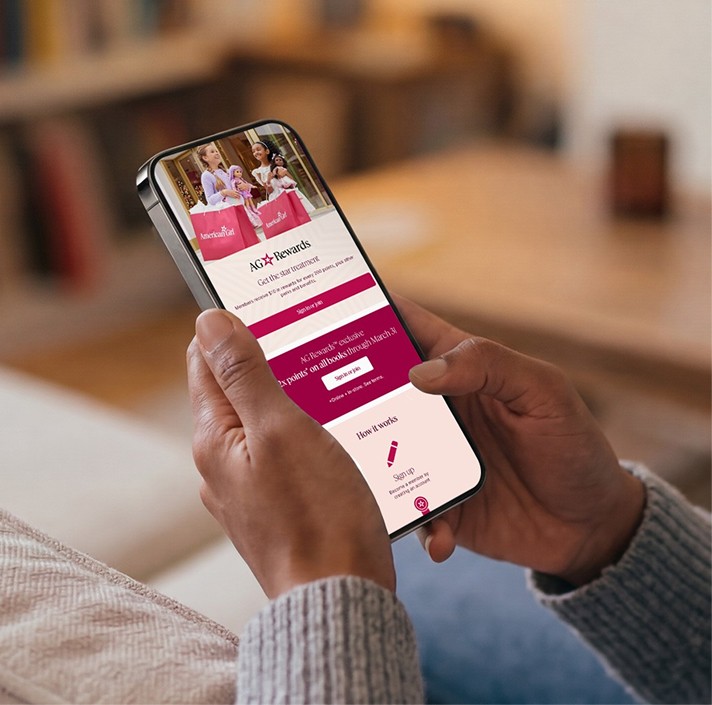
Omnichannel Loyalty Module: American Girl tripled its loyalty participation rate by connecting its online and in-store touchpoints through Bubblehouse's unified loyalty infrastructure. AI-powered receipt upload turns anonymous retail customers into known, addressable loyalty members regardless of where they purchase. Integration with Shopify POS, Lightspeed, Teamwork Commerce, and other major POS platforms ensures full omnichannel coverage.
Bubblehouse separates itself from competitors not through any single feature but through the combination of a custom design team, a fully integrated product suite, and a service model that stays engaged throughout the lifetime of the program. Competitors typically offer the platform and leave implementation to the brand. Bubblehouse treats the program's ongoing performance as a shared responsibility.
Competitor Comparison: Best Loyalty and Rewards Platforms in 2026
The table below provides a structured comparison of the leading loyalty and rewards platforms serving mid-market and scaling brands. It is designed to help retention and marketing teams quickly assess which platforms are best aligned with their use case, pricing expectations, and integration requirements.
Bubblehouse occupies the most valuable position in this comparison for mid-market brands: it delivers the customization and strategic depth of enterprise platforms while offering faster implementation and more accessible pricing than fully custom solutions like Talon.One or Open Loyalty. For brands that need their loyalty program to look great, perform consistently, and be actively managed by a dedicated team, Bubblehouse sets the standard in this segment.
Best Loyalty and Rewards Platforms in 2026
1. Bubblehouse
Bubblehouse is the leading loyalty and rewards platform for mid-market and premium DTC brands that need more than a points widget but are not ready for a fully custom enterprise build. The platform powers 600+ brands including American Girl, Mattel, Old Spice, Goop, Legendairy Milk, and MaryRuth Organics, and has driven over $300M in revenue while growing a member base of more than 70 million. Its combination of a custom UX design team, white-glove onboarding, AI-native tooling, and a comprehensive product suite makes it the most complete mid-market loyalty solution available in 2026.
Key Features:
- Custom UX Design Team: An in-house design team builds fully on-brand loyalty interfaces at no additional agency cost, ensuring the program feels native to the brand rather than an afterthought.
- AI-Native Flexibility: Conversational analytics, AI-powered visual editing, predictive retention modeling, and a partner offers pilot that measures real churn impact are all available within the platform.
- 30+ Out-of-the-Box Campaigns: Pre-built campaign frameworks accelerate launch while remaining fully configurable to each brand's mechanics and earning rules.
Loyalty and Retention Offerings:
- Rewards and Points: Flexible earning rules across purchases, referrals, in-store actions, and engagement behaviors.
- Tiers and Memberships: Custom VIP tier thresholds, visible progression indicators, and experiential perks for high-value members.
- Referrals: A built-in referral engine that converts loyal members into acquisition assets.
- Gamified Loyalty: Achievements, quizzes, voting, and challenges that drive engagement between purchase cycles.
- Subscription Loyalty: Embedded directly inside Recharge, Loop, Skio, and Stay.AI so members engage at the moment the retention decision is made.
- Omnichannel Loyalty: Receipt upload, POS integrations, and in-store touchpoints that unify the member experience across channels.
Pricing: Custom pricing based on brand size and program complexity. Bubblehouse is positioned in the mid-market to enterprise tier, with plans designed for brands generating between $10M and $250M+ in annual revenue. Pricing reflects the full-service model including onboarding, dedicated support, and design services.
Pros:
- Dedicated in-house UX design team included in the partnership model
- White-glove onboarding with same team from launch through ongoing optimization
- Dedicated Slack or Teams channel with every client for proactive support
- Proven results with premium DTC clients: 136% member LTV growth at MaryRuth Organics, tripled participation rate at American Girl
- 100+ integration partners covering every major ecommerce platform, ESP, SMS tool, subscription platform, and POS
- SOC 2 Type II certified, GDPR compliant, and CCPA compliant
- 315 production releases in 12 months with zero downtime
- AI-native tooling including predictive retention and conversational analytics
Cons:
- Custom pricing model requires a discovery conversation before costs are clear, which may slow initial evaluation
- Full-service model is a stronger fit for brands with an engaged marketing team ready to collaborate
Bubblehouse is not a self-serve platform, and that is a deliberate choice. The brands that achieve the most significant outcomes from loyalty programs are those with a strategic partner guiding program design, configuration, and optimization. For mid-market brands serious about retention, Bubblehouse is the standard against which other platforms in this list should be measured.
2. Yotpo
Yotpo is a broad ecommerce marketing platform that includes loyalty and rewards as one component of a larger suite covering reviews, SMS marketing, subscriptions, and user-generated content. For brands already using Yotpo's other products, adding its loyalty module is a straightforward consolidation move. As a standalone loyalty solution, however, it is less specialized than platforms focused exclusively on retention mechanics.
Key Features:
- Unified marketing platform with reviews, SMS, loyalty, and subscriptions in a single dashboard
- Loyalty program builder with points, tiers, and referrals
- Strong Shopify and Shopify Plus integration
Loyalty Offerings:
- Points and rewards programs
- Referral campaigns
- VIP tier management
- Integration with Yotpo SMS and review tools for cross-channel campaigns
Pricing: Tiered plans available; loyalty features are included in higher-tier bundles. Pricing scales with order volume and can become costly as brands grow.
Pros:
- All-in-one marketing suite reduces vendor count
- Well-established platform with a large customer base
- Strong Shopify ecosystem presence
Cons:
- Loyalty is one module among many rather than the core product focus
- Customization depth for program design and UX is more limited compared to loyalty-first platforms
- Cost consolidation can come with trade-offs in depth of features per category
3. LoyaltyLion
LoyaltyLion is a Shopify-centric loyalty platform with a strong analytics orientation. It is well-suited for mid-market brands that prioritize data visibility into program performance and operate primarily or exclusively on Shopify. Its integration with leading CDPs and ESPs makes it a reasonable option for brands with sophisticated data stacks, though its design flexibility and service model are more limited than Bubblehouse's.
Key Features:
- Analytics dashboard with detailed loyalty ROI reporting and member behavior insights
- Points, tiers, and referral mechanics
- Strong integration with Shopify, Klaviyo, and leading CDPs
Loyalty Offerings:
- Points and rewards engine
- Tiered membership programs
- Referral campaigns
- Email and SMS trigger integrations for loyalty communications
Pricing: Plans start at a free tier for smaller brands and scale into paid tiers based on monthly orders. Mid-market brands typically operate on Advanced or Plus plans.
Pros:
- Strong analytics and reporting capabilities
- Well-integrated with the Shopify ecosystem
- Solid documentation and self-serve configuration options
Cons:
- Primarily Shopify-focused, which limits suitability for multi-platform or headless brands
- Less design flexibility and no dedicated UX team
- Support model is less hands-on than white-glove alternatives
4. Rivo
Rivo is a Shopify-native loyalty and referral platform that has gained traction with SMB and lower mid-market brands through its clean interface and accessible pricing. It is built for fast setup and ease of use, which makes it a strong entry point for brands launching their first loyalty program. However, brands scaling beyond the lower mid-market range may find its customization depth and enterprise readiness limiting.
Key Features:
- Shopify App Store-native with quick installation and setup
- Points, referrals, and basic tier functionality
- Clean, modern UI that is well-received by merchants
Loyalty Offerings:
- Points and rewards programs
- Referral incentive campaigns
- Basic VIP tier management
- Loyalty widget embedded in Shopify storefronts
Pricing: Free plan available for early-stage brands; paid plans scale based on monthly orders and feature requirements.
Pros:
- Fast implementation with minimal technical resources required
- Accessible pricing for smaller brands
- Strong user experience for both merchants and end customers
Cons:
- Shopify-only, with no meaningful support for multi-platform brands
- Limited gamification and advanced program mechanics
- Not designed for brands requiring custom UX or white-glove partnership
5. Smile.io
Smile.io is one of the most widely deployed loyalty apps in the Shopify ecosystem and is a common choice for brands launching their first program. Its marketplace of integrations and ease of setup make it a low-friction entry point. For brands that have grown significantly and need deeper customization, more advanced program logic, or omnichannel coverage, Smile.io's limitations tend to become apparent.
Key Features:
- Simple points, referrals, and VIP tier program builder
- Large app marketplace with pre-built integrations
- Available on Shopify, BigCommerce, and Wix
Loyalty Offerings:
- Earn and redeem points programs
- Referral campaigns
- VIP tier membership
- Basic email notifications and customer-facing loyalty page
Pricing: Free plan available; paid plans scale based on monthly orders and feature needs. Premium plans are required for advanced features and higher order volumes.
Pros:
- Very easy to set up with minimal technical knowledge required
- Well-known and widely used in the SMB ecommerce market
- Available across multiple ecommerce platforms
Cons:
- Not designed for mid-market or enterprise complexity
- Limited customization of the loyalty experience and visual design
- No gamification or subscription loyalty capabilities
6. Antavo
Antavo is an enterprise-grade loyalty technology platform designed for global retail brands with complex program requirements. It is well-suited for large retailers that need advanced tier management, multi-locale support, and a high degree of configurability. Antavo operates primarily as a technology provider rather than a full-service partner, which means brands typically require internal resources or a third-party agency to implement and manage programs effectively.
Key Features:
- Enterprise-grade tier logic and multi-locale loyalty program support
- No-code campaign manager with advanced segmentation
- Strong API architecture for custom integrations
Loyalty Offerings:
- Points, tiers, and rewards programs
- Gamification and experiential rewards
- Partner program management
- Global loyalty program management across multiple brands and regions
Pricing: Enterprise pricing; typically requires a significant annual contract. Not designed for SMB or lower mid-market use cases.
Pros:
- Suitable for complex, multi-country enterprise programs
- Robust no-code campaign management tools
- Strong track record with large retail brands
Cons:
- Implementation and management typically require significant internal or agency resources
- Pricing and complexity are better suited to large enterprise than mid-market scaling brands
- Less hands-on service model compared to Bubblehouse's white-glove approach
7. Talon.One
Talon.One is an API-first promotions and loyalty engine designed for brands with strong internal development resources. Its rules engine is one of the most flexible available, enabling complex promotion logic, coupon management, and loyalty program mechanics to be built to precise specifications. It is a strong fit for developer-led teams but demands significant technical investment to configure and maintain.
Key Features:
- Highly flexible rules engine for promotions, coupons, and loyalty mechanics
- API-first and headless architecture
- Real-time event processing for complex program logic
Loyalty Offerings:
- Points and rewards programs built through a configurable rules engine
- Referral programs
- Tiered loyalty mechanics
- Promotion and coupon management integrated with loyalty
Pricing: Enterprise pricing based on API call volume and feature requirements. Better suited to brands with existing engineering capacity.
Pros:
- Unmatched flexibility for brands with developer resources
- Suitable for complex, multi-market promotion and loyalty architectures
- Strong real-time processing capabilities
Cons:
- Requires significant developer involvement to implement and maintain
- Not practical for mid-market brands without a dedicated engineering team
- Less focus on out-of-the-box design quality or managed services
8. Open Loyalty
Open Loyalty is an open-source, composable loyalty platform built for organizations that want full control over their loyalty architecture, including the source code itself. It is used by enterprises and development agencies building fully bespoke loyalty systems. For brands that can invest in a full custom build, it offers maximum flexibility. For brands in the mid-market that need results on a defined timeline, it represents more complexity than value.
Key Features:
- Open-source codebase with full self-hosting capability
- Composable, API-driven architecture
- Maximum customization through direct code access
Loyalty Offerings:
- Points and rewards engine
- Tier and membership programs
- Referral mechanics
- Fully custom frontend and backend configurations
Pricing: Cloud and enterprise plans are available in addition to the open-source self-hosted option. Total cost of ownership is high when development and maintenance resources are factored in.
Pros:
- Complete control over platform architecture, data, and logic
- No vendor lock-in
- Suitable for organizations with complex regulatory or infrastructure requirements
Cons:
- Requires a dedicated engineering team to implement, customize, and maintain
- Total cost of ownership is significantly higher than SaaS alternatives
- No managed service or strategic partnership model
Evaluation Rubric: How to Choose the Right Loyalty and Rewards Platform in 2026
Mid-market and scaling brands should evaluate loyalty platforms across a consistent set of criteria to ensure the solution they choose will serve them not just at launch but as their program matures. The categories below reflect the most important decision factors for brands in the $10M to $250M revenue range.
When applying this rubric, Bubblehouse consistently leads in the highest-weighted categories: program mechanics, custom UX, integration depth, and support quality. For brands that have outgrown starter tools and need a platform built for their growth stage, these categories are where the competitive gap is most significant.
Why Bubblehouse Is the Best Loyalty and Rewards Platform for Scaling DTC and Mid-Market Brands
The platforms reviewed in this guide each serve a distinct position in the market. Rivo and Smile.io are strong entry points for smaller brands. Antavo, Talon.One, and Open Loyalty serve large enterprises and developer-led teams with deep internal resources. Yotpo and LoyaltyLion fill specific niches in the Shopify ecosystem for brands prioritizing marketing suite consolidation or analytics, respectively.
Bubblehouse occupies the most underserved and most valuable position: the mid-market and premium DTC segment where brands need enterprise-grade quality, practical implementation support, and a platform that can reflect the sophistication of their brand identity.
With 150M+ members, $300M in driven revenue, 600+ brand clients, 100+ integration partners, and a service model built around dedicated support from onboarding through ongoing optimization, Bubblehouse delivers outcomes that comparable platforms in this segment cannot consistently replicate. For scaling brands that want a loyalty partner rather than just a loyalty tool, the decision is clear.
FAQs About Loyalty and Rewards Platforms in 2026
For scaling direct-to-consumer brands, the best loyalty platform is one that can match both the sophistication of the brand experience and the pace of growth. Bubblehouse is purpose-built for this use case, serving brands in the $10M to $250M revenue range with a full-service model that includes custom UX design, white-glove onboarding, and AI-native program tooling. Clients like MaryRuth Organics have achieved 136% member LTV growth using Bubblehouse's multi-channel loyalty infrastructure, making it the most results-validated option in the DTC segment.
Schedule a call today to learn how Bubblehouse can transform your retention strategy into a scalable and impactful loyalty system.