















Best White Label Loyalty Alternatives for Enterprise Brands in 2026
Compare the best White Label Loyalty alternatives in 2026. Bubblehouse ships a ready-made customer-facing loyalty UI without building the app yourself.
Enterprise retention and digital leaders evaluating alternatives to White Label Loyalty face a core trade-off: build versus buy. White Label Loyalty delivers an event-based rules engine and SDK designed for organizations with in-house engineering teams who want to build their own loyalty app from scratch. That approach fits franchise networks, FMCG brands, and companies with dedicated product and development resources, but it shifts the customer-facing build and ongoing maintenance onto the brand. For DTC, ecommerce, and enterprise brands looking for a ready-made, on-brand loyalty experience paired with API flexibility, omnichannel reach, and multi-market capability, the alternatives in this guide offer a different path.
This comparison examines seven platforms: Bubblehouse, White Label Loyalty, Antavo, Talon.One, Open Loyalty, Capillary, Zinrelo, and Voucherify. Each entry includes key features, use-case-specific offerings, pricing, pros, and cons, followed by a framework for evaluating the right fit for your retention strategy.
Why Enterprise Brands Need Alternatives to White Label Loyalty
White Label Loyalty positions itself as a headless, API-first platform that enables brands to reward any customer action through an event-based loyalty engine. The platform serves franchise, FMCG, and retail brands across 20-plus countries with over 32 million users, delivering flexibility through its SDK and modular architecture.
However, three constraints push enterprise brands to evaluate alternatives:
Engineering Dependency: White Label Loyalty provides the backend rules engine and SDK, but brands must build the customer-facing loyalty app, UI components, and integrations themselves. Organizations without dedicated product and engineering resources cannot realize the platform's value without agency support or significant internal build time.
DTC and Ecommerce Fit: White Label Loyalty's core positioning centers on franchise networks, FMCG distribution, and multi-location retail where brands sell through third-party channels. DTC and ecommerce brands need tighter native integrations with Shopify Plus, Adobe Commerce, BigCommerce, Recharge, Klaviyo, and modern martech stacks, not just API access.
Cost Structure: White Label Loyalty pricing starts at $1,440 per month on Shopify and scales into custom enterprise tiers based on monthly license fees and feature sets. Brands scoping alternatives want transparent, program-complexity-based pricing rather than order-volume or transaction-based models that penalize growth.
Enterprise brands need loyalty systems that ship with ready-made customer experiences, integrate natively with their ecommerce and marketing stack, and scale globally without requiring continuous frontend development cycles.
What to Look for in a White Label Loyalty Alternative
Evaluating a loyalty platform for enterprise DTC, ecommerce, or multi-market programs requires assessing eight core capabilities:
Ready-Made Customer-Facing UI: Does the platform ship with a branded loyalty experience that renders on-site (account page, PDP, cart, checkout) and includes a dedicated loyalty landing page, or does it require your team to build every customer touchpoint from scratch?
Native Ecommerce and Martech Integrations: Beyond API access, does the platform offer pre-built connectors for Shopify Plus and Hydrogen, Adobe Commerce, Salesforce Commerce Cloud, BigCommerce, WooCommerce, Recharge, Loop, Skio, Klaviyo, Attentive, Gorgias, and POS systems including Teamwork, Leap, PredictSpring, and Zenoti?
Omnichannel Loyalty: Can the platform unify earning and redemption across ecommerce, in-store POS, retail purchases via receipt upload, and mobile wallet passes, or is it confined to digital-only transactions?
Multi-Market and Multi-Language Support: Does the platform support global rollouts with regional data residency, multi-currency, multi-language localization, and unified backend management across 20-plus markets, or does each region require a separate instance?
Subscription Loyalty Integration: Does the platform integrate natively with Recharge, Loop, Skio, and Stay.ai to reward subscription behaviors (first order, renewals, tenure milestones, reactivation) and inject save offers into the cancellation flow?
Compliance and Enterprise Security: Is the platform SOC 2 Type II, GDPR, and UK DPA 2018 compliant with 99.9% uptime SLAs, or does it require additional vendor due diligence and penetration testing?
Pricing Model: Is pricing based on program complexity and feature usage, or does it scale with order volume, monthly active members, or transactions in a way that penalizes revenue growth?
Deployment Speed: Can the platform launch a fully branded loyalty program in weeks with minimal engineering lift, or does it require months of custom development and ongoing maintenance?
Bubblehouse was built to check all eight boxes without requiring brands to build and maintain the customer-facing loyalty experience themselves. The platform ships with ready-made onsite display components, native ecommerce and subscription integrations, omnichannel POS and receipt upload, multi-market architecture, enterprise compliance, and custom pricing based on program complexity rather than order volume.
How Enterprise Brands Use Loyalty Systems at Scale
Enterprise brands deploying loyalty across DTC ecommerce, retail, and multi-market operations use six core strategies:
1. Unified Omnichannel Earning and Redemption
POS loyalty integration (Teamwork, Leap, PredictSpring, Zenoti, Shopify POS)
Receipt upload for offline and third-party retail purchases
Mobile wallet passes with QR codes, tier status, and location-based push notifications
2. Subscription Loyalty and Churn Prevention
Recharge, Loop, Skio, and Stay.ai native integrations
Subscriber milestones tied to month-3 and month-12 churn points
Save offers injected into the cancellation flow
Redemption applied to subscription cost inside the subscriber portal
3. Multi-Market Global Programs
One unified backend across 23 markets and 7 regions (Milwaukee Tool)
Multi-currency, multi-language, and regional data residency
Per-market rule customization with global reporting layer
4. Gamified Engagement and Zero-Party Data
Achievements with condition-plus-reward logic (purchase frequency, referrals, reviews, spend thresholds, category purchases)
Voting and quizzes feeding personalized recommendations and email/SMS segmentation
Social loyalty with TikTok and Instagram handle verification tied to ecommerce profiles
5. Advanced Referral and Advocacy
Fraud prevention via IP validation, iCloud Private Relay detection, and email verification
Dual-sided rewards with delayed distribution as fraud hold
Gift card redemption across 1,500-plus merchant partners
6. Revenue-Driven Campaign Orchestration
Time-bound campaigns with points multipliers, tier upgrades, product gating, and early access
Triggered email and SMS flows (loyalty welcome series at 13% CVR, points reminder at 18% CVR, tier reached at 9% CVR, browse/cart/checkout abandonment at 16% CVR)
Product-for-points redemption driving category expansion and 31% increase in 12-month redemption rates
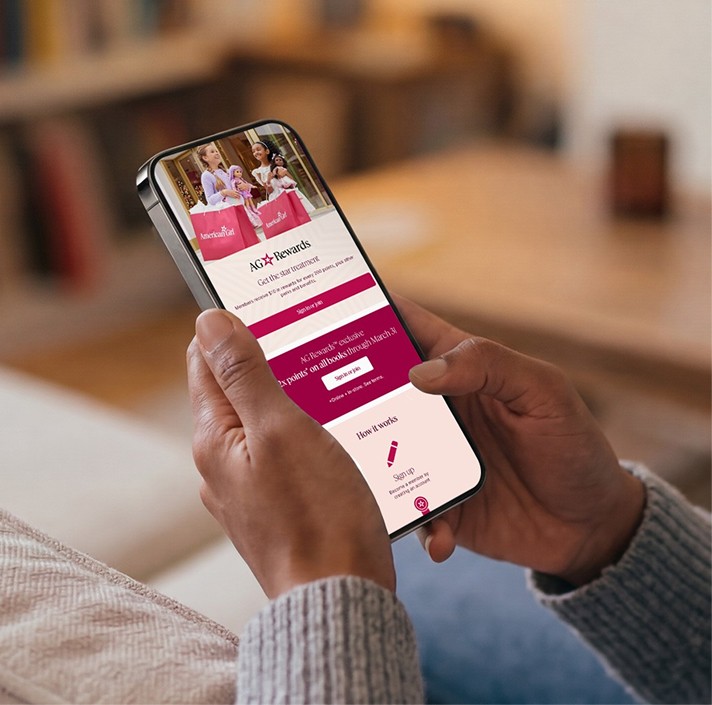
Bubblehouse enables all six strategies through a unified loyalty system rather than requiring brands to assemble and maintain integrations across multiple point solutions. Enterprise clients including Milwaukee Tool, American Girl, J.Lindeberg, MaryRuth Organics, and Mary Kay use Bubblehouse to execute these strategies at scale across DTC, retail, and multi-market operations.
Competitor Comparison: White Label Loyalty Alternatives for Enterprise Brands
The table below compares platform positioning, core strengths, ideal use cases, and starting price points across seven White Label Loyalty alternatives.
Platform | Positioning | Core Strength | Best For | Starting Price |
|---|---|---|---|---|
Bubblehouse | Enterprise loyalty system for DTC, omnichannel, and multi-market programs | Ready-made loyalty UI with native integrations and API flexibility | Brands needing turnkey loyalty across ecommerce, retail, subscriptions, and global markets | Custom enterprise (program complexity, not order volume) |
White Label Loyalty | Event-based rules engine and SDK for custom app builds | Flexible API and SDK for brands building their own loyalty app | Franchise, FMCG, brands with in-house engineering teams | $1,440/month (Shopify), custom enterprise |
Antavo | API-centric enterprise loyalty cloud | No-code workflows editor with quarterly product releases | Retail, fashion, hospitality brands needing visual workflow builder | Custom enterprise (pricing tiers not public) |
Talon.One | Headless promotion and loyalty engine | Rules-based promotion logic with sub-50ms API response | Brands prioritizing promotion mechanics over loyalty program UI | Custom enterprise (not public) |
Open Loyalty | Headless API-first loyalty platform | 50-plus pre-built loyalty mechanics with ISO 27001 and 99.99% uptime | Developers and enterprises building custom frontend experiences | Custom (platform fee plus active member allowance) |
Capillary | AI-powered loyalty for Fortune 500 enterprises | End-to-end suite (Loyalty+, Insights+, Engage+, CDP+, Rewards+) | Large multi-vertical organizations, retail, F&B, travel, automotive | Custom enterprise |
Zinrelo | SaaS loyalty platform with data analytics and strategy consultation | Data-driven personalization and ongoing strategic consultation | Mid-to-large businesses seeking consultative loyalty partner | Custom enterprise |
Voucherify | API-first promotion and loyalty engine | Voucher management, coupons, and promotion logic with 99.9% uptime | Engineering-led teams building incentive workflows | Custom enterprise |
Bubblehouse leads this comparison for enterprise DTC and ecommerce brands because it ships a ready-made, on-brand loyalty UI without requiring frontend development, integrates natively with modern ecommerce and subscription platforms, and supports omnichannel earning and redemption across web, retail, and in-store POS. White Label Loyalty, Open Loyalty, Talon.One, and Voucherify all require brands to build the customer-facing experience, which fits organizations with dedicated product and engineering resources but creates friction for enterprise teams prioritizing speed to market and minimizing ongoing maintenance.
Best White Label Loyalty Alternatives for Enterprise Brands in 2026
1. Bubblehouse
Bubblehouse is an enterprise loyalty and rewards platform covering points, VIP tiers, referrals, gamification, subscription loyalty, paid memberships, and omnichannel loyalty. The platform serves 600+ brands including 100-plus enterprise clients, drives over $1 billion in revenue, enrolls 150 million-plus loyalty members, and delivers an average 34X ROI. Customers include Mattel, American Girl, MaryRuth Organics, Lemme, J.Lindeberg, Milwaukee Tool, Legendairy Milk, Spacegoods, Hat Club, and Mary Kay.
Key Features
Ready-Made Loyalty UI: Onsite display components across navigation bar, PDP, cart, checkout, and account page with inline redemption widget and dedicated loyalty landing page. No custom frontend build required.
Native Ecommerce Integrations: 100-plus integrations spanning Shopify Plus and Hydrogen, Adobe Commerce, Salesforce Commerce Cloud and Experience Cloud, BigCommerce, WooCommerce, Recharge, Loop, Skio, Stay.AI, Klaviyo, Attentive, Gorgias, Gladly, Okendo, and POS systems including Teamwork, Leap, PredictSpring, Zenoti, and Shopify POS.
Omnichannel Loyalty: Unified earning and redemption across ecommerce, in-store POS, receipt upload with AI invoice OCR (99.4% accuracy at Milwaukee Tool), and mobile wallet passes with QR codes and location-based push notifications.
Multi-Market Architecture: One unified backend across 23 markets and 7 regions (Milwaukee Tool), 37-plus countries (Mary Kay), multi-currency, multi-language, regional data residency, and global reporting layer.
Subscription Loyalty Integration: Recharge-native earning on subscription behaviors (first order, renewal, tenure, reactivation), redemption applied to subscription cost inside Recharge portal, subscriber milestones as punch cards tied to month-3 and month-12 churn points, save offers injected into cancellation flow, delivering +22% 12-month retention.
Enterprise Compliance and Security: SOC 2 Type II, GDPR, and UK DPA 2018 compliant with 99.9% uptime SLAs, in-house UK-qualified legal counsel, and managed vendor due diligence for regulated deployments including Smart Pension (1.5M-member UK master trust) and Kin Insurance.
Enterprise Loyalty Offerings
Points and Rewards: 30-plus out-of-the-box campaigns, four redemption methods (store credit, product-for-points, partner rewards network, gift cards), points slider for stackable discount codes, engagement campaigns (SMS signup, blog reads, social mentions, reviews with photo, first referral), transactional campaigns (start subscription, spend thresholds, purchase frequency, receipt upload, in-store purchase).
VIP Tiers and Paid Memberships: Qualification criteria (customer total spend, subscription status, successful referrals, purchases made, Shopify tags), progress bars and points-away messaging, member-only pricing and discounts, recurring credits, seasonal gifts, priority support, early and exclusive access, bespoke benefits (member-only community, brand consultation sessions, focus group invites).
Referrals: Flexible requirements and rewards, fraud prevention via IP validation and iCloud Private Relay detection, dual-sided rewards with delayed distribution, gift card redemption across 1,500-plus partners, post-purchase and post-review triggers, 1.5X AOV for referred customers, 12%-plus referral conversion rate.
Gamified Achievements: 180-plus campaign combinations with condition-plus-reward logic, conditions (purchase frequency, successful referrals, review submissions, total spend, in-store purchase, complete X ways to earn, buy from X and/or Y category), rewards (order discount, bonus points, free gift, 2X points on one order, product discount, VIP tier upgrade, private event invitation), customer-facing progress tracking.
Social Loyalty and Zero-Party Data: Social challenges deanonymizing followers, real-time social listening connecting profiles to loyalty accounts, TikTok and Instagram handle verification, voting and quizzes feeding personalized recommendations and email/SMS segmentation, sweepstakes with multi-step entry.
Omnichannel and Receipt Upload: AI invoice OCR at line-item level (99.4% accuracy, $57M invoice value uploaded in first 60 days at Milwaukee Tool), accepts JPG, PNG, HEIC, PDF, rewards omnichannel and third-party retail purchases, collects marketing data from anonymous buyers.
Pricing
Custom enterprise pricing quoted on program complexity rather than order volume. Bubblehouse avoids transaction-based or active-member fees that penalize revenue growth, instead pricing on feature usage, integrations, and multi-market rollout scope.
Pros
Ready-made customer-facing loyalty UI ships without requiring frontend build; native integrations with Shopify Plus, Adobe Commerce, Salesforce, Recharge, Loop, Skio, Klaviyo, and 100-plus platforms eliminate middleware; omnichannel loyalty unifies ecommerce, retail POS, and receipt upload; multi-market architecture supports 23-plus markets from one backend (Milwaukee Tool); subscription loyalty integrates natively with Recharge cancellation flow and subscriber portal; SOC 2 Type II and GDPR compliance with 99.9% uptime SLAs; pricing based on program complexity rather than order volume or transaction count; white-glove Client Strategist assigned to every enterprise account.
Cons
Built for enterprise complexity, not SMB plug-and-play; brands seeking the simplest points-and-discounts program may find feature depth unnecessary; custom enterprise pricing requires scoping conversation rather than transparent self-serve tiers.
Why Bubblehouse Leads for Enterprise DTC and Ecommerce
Bubblehouse solves the core trade-off that White Label Loyalty and headless alternatives create: it ships a ready-made, on-brand loyalty UI without requiring brands to build and maintain the customer-facing experience themselves. Milwaukee Tool operates a unified loyalty system across 23 markets and 7 regions from one Bubblehouse backend, processing $57 million in invoice value in the first 60 days with 99.4% OCR accuracy and a 78% redemption rate. American Girl tripled loyalty program participation and grew loyalty participant revenue mix from 38% to 75% after migrating from Baesman. J.Lindeberg increased repeat purchase rate 337% within two months of implementation. MaryRuth Organics grew member LTV 136% and achieved 201X program ROI. Legendairy Milk grew subscription acquisition 32% and loyalty participation 4x. Hat Club members show 127% higher LTV. Members are 43% more likely to repeat within 90 days and reach their next order 29.6 days faster.
Bubblehouse combines the API flexibility and integration capability that enterprise brands need with the ready-made loyalty UI and white-glove support that accelerates deployment and eliminates ongoing frontend maintenance. The platform was built for brands that take retention seriously and need a loyalty system as innovative and capable as their brand, not a standalone bolt-on program.
2. White Label Loyalty
White Label Loyalty is an API-first enterprise loyalty platform that provides an event-based rules engine and SDK for brands to build custom loyalty apps. The platform serves franchise, FMCG, and retail brands across 20-plus countries with over 32 million users, including PepsiCo, Burger King, Dubai Holding, and ArdexBal.
Key Features
Event-based loyalty engine enabling brands to track and reward any customer action (feedback collection, content interaction, geofenced location tracking, social media activity, referrals, custom events)
API-first and SDK architecture for seamless integration with CRM, ERP, POS, and ecommerce systems
Modular platform with three product tiers: Enterprise (fully bespoke loyalty ecosystems for global brands), Dynamo (headless loyalty API and SDK for product teams embedding rewards into existing apps), Activate (loyalty for brands selling through retailers who do not own end customer relationships)
AI-powered Lifecycle Intelligence module evaluating churn probability and predicted LTV daily, placing customers into actionable journey stages
Multi-market support across 25-plus industries including retail, FMCG, automotive, healthcare, financial services, telecommunications, manufacturing, ecommerce, and sports
Enterprise Loyalty Offerings
Points, cashback, and voucher reward mechanisms
Campaign management automation with customer segmentation
Real-time data analytics and customer behavior tracking
Custom interfaces requiring brand or agency to build customer-facing app
Franchise-specific capabilities with multiple POS systems and multi-language support
Pricing
Shopify app pricing starts at $1,440 per month. Enterprise tiers use monthly license fees structured by feature sets and scale of usage. No public enterprise pricing available.
Pros
Highly flexible event-based rules engine can reward any customer action; API-first architecture integrates with existing enterprise systems; strong franchise and FMCG positioning with multi-location and multi-POS support; AI-powered Lifecycle Intelligence predicts churn and recommends interventions; serves global brands including PepsiCo and Burger King across 20-plus countries.
Cons
Requires brands to build and maintain the customer-facing loyalty app, UI components, and integrations themselves; organizations without in-house engineering teams or agency support cannot realize platform value; positioned for franchise, FMCG, and retail distribution rather than DTC and ecommerce; limited native integrations with modern DTC martech stack (Recharge, Klaviyo, Attentive); Shopify pricing at $1,440/month positions it above mid-market alternatives; reviewers note the platform requires a dedicated specialist to manage and optimize.
3. Antavo
Antavo is an enterprise loyalty cloud providing no-code, API-centric technology for managing experience-based, paid, and lifestyle loyalty programs online, in-store, and on mobile. The platform serves retail, fashion, beauty, lifestyle, and hospitality brands including Toys R Us, PepsiCo, AB InBev, Jimmy Jazz, N Brown Group, Benetton Group, LuisaViaRoma, KFC, RipCurl, and Modanisa.
Key Features
No-code Workflows editor enabling marketers to build loyalty campaigns without IT help through drag-and-drop visual interface
API-centric composable architecture integrating with CDPs, marketing automation platforms, and martech systems
Loyalty Planner accelerating program planning up to 10 times faster
Loyalty Engine with flexible workflows bringing any loyalty concept to life
Optimizer transforming loyalty data into actionable insights
Timi AI, an agentic AI enhancing work at every step
Quarterly product releases with 60% of revenue reinvested in R&D
Enterprise Loyalty Offerings
Points, credits, stamps as custom currencies with configurable earn rates and expiration
VIP tiers (spend-based, point-based, invitation-only) with entry rules and benefit configuration, annual or rolling reset
Challenges, missions, badges, streaks, prize wheels, sweepstakes, scratch cards, treasure hunts
Referral links and shareable rewards
Clubs module enabling members to earn and unlock rewards together
Personalized rewards mixing promotions, coupons, experiences, and partner benefits
Multi-brand, omnichannel, and multi-country capabilities with Access Control for regional campaign customization
Pricing
Custom enterprise pricing with no public tiers. Reviewers note pricing structure can be difficult to understand across feature tiers.
Pros
No-code Workflows editor empowers marketers to build campaigns without engineering dependency; API-first composable architecture integrates cleanly with existing martech stack; 60% of revenue reinvested in R&D with quarterly product releases ensuring continuous innovation; strong retail, fashion, and hospitality client base including LuisaViaRoma (16% revenue growth), KFC, and Benetton Group; multi-brand and multi-country capabilities with localized campaign control; recognized by Forrester, Gartner, and IDC as enterprise loyalty leader.
Cons
No-code interface still requires marketing expertise and program strategy; less focus on DTC ecommerce and subscription loyalty compared to retail and in-store; pricing tiers and feature availability can be opaque during evaluation; requires demo and scoping for pricing quote; heavier on gamification mechanics than ready-made onsite loyalty UI for ecommerce storefronts.
4. Talon.One
Talon.One is a headless promotion and loyalty engine unifying loyalty, personalized promotions, and offer management into a single platform. The platform serves 250-plus enterprise brands including Adidas, Sephora, Nordstrom, Carlsberg, Eddie Bauer, and Salomon.
Key Features
Rules-based promotion engine with granular control over coupon codes, discounts, bundles, referrals, and loyalty programs
Sub-50ms API response times with 99.99% uptime and auto-scaling handling millions of requests
Real-time event stream translating customer actions into automated incentives without coding
Campaign Manager for creating applications, campaigns, and promotion logic
SOC 2, ISO, and GDPR compliance with advanced permissioning and audit logs
Response times up to 2,500 requests per second with no hard API limits
Enterprise Loyalty Offerings
Fully automated loyalty programs with points, tiers, and gamified challenges (no coding required)
Personalized discounts, referrals, geolocalized offers, product bundling
Automated markdown pricing consolidating pricing and promotion workflows
Coupon generation, tracking, referral management, automated discounts and notifications
Wallet features, geofencing, targeted bundling, campaign budgets, approval workflows
Pricing
Custom enterprise pricing (not public). Founded in 2015, serves 270-plus clients across North America, Europe, and APAC with teams in Berlin, London, Boston, and Singapore.
Pros
Sub-50ms API response times with 99.99% uptime and auto-scaling handle Black Friday and flash sale traffic; headless architecture enables brands to embed promotion logic into any tech stack; strong promotion mechanics (threshold deals, BOGO, bundles, free shipping, category/SKU-based offers); real-time campaign synchronization across online, in-store, and mobile; fraud protection, budgets, and precise evaluation logic govern thousands of campaigns; SOC 2, ISO, and GDPR compliant with enterprise-grade security; integration partnerships with commercetools, Shopify, mParticle, Salesforce, Braze.
Cons
Built as a promotion engine first, loyalty program second; brands prioritizing loyalty program UI and member engagement over promotion mechanics may find feature set misaligned; headless architecture requires frontend development to surface promotions and loyalty status to customers; pricing opacity requires demo and enterprise scoping; better suited for brands with engineering resources than turnkey loyalty deployments.
5. Open Loyalty
Open Loyalty is a headless, API-first loyalty platform providing 50-plus pre-built loyalty mechanics for building personalized loyalty programs. The platform serves enterprises including ALDO Group, Heineken, EQUIVA, Limango, U.S. Soccer Federation, Hi-Pay, ALBA Shoes, Warba Bank, mClinica, and Asia Commercial Bank.
Key Features
Headless architecture fully decoupling loyalty logic from customer-facing experience
50-plus pre-built loyalty mechanics including points, tiers, rewards, coupons, referrals
API-first approach with REST API calls, webhooks for real-time event monitoring, AWS S3 exports for batch data transfers
120 ms average API response time handling 1 billion events per month
99.99% uptime hosted on AWS infrastructure with 100-plus data centers worldwide
ISO 27001 and 9001 certification with P1 response under 30 minutes
Available in SaaS (Hosted) and On-Premise (Dedicated) editions
Enterprise Loyalty Offerings
Points, tiers, campaigns, rewards, and member data exposed via REST API
Real-time transaction processing, earning rule application, redemption handling
Campaign management, rewards and tier configuration, analytics data access
Multitenancy supporting multiple branded programs from one backend
Integration with CRMs, CDPs, eCommerce platforms, ERPs, marketing automation tools, POS systems, BI tools, mobile apps
Pricing
Platform Fee plus Allowance Fee based on monthly Active Members (fully custom, no public price). Open Source Edition (v.3.2) available for non-commercial testing only, significantly different from commercial Hosted and Dedicated editions.
Pros
True headless API-first architecture with 50-plus loyalty mechanics provides maximum flexibility; 99.99% uptime with ISO 27001 and 9001 certification meets enterprise security and reliability requirements; 120 ms average API response handling 1 billion events per month supports high-scale programs; multitenancy enables agencies and enterprises to manage multiple branded programs from one backend; active-member pricing model charges only for engaged members, not entire customer list; strong enterprise client base including ALDO, Heineken, U.S. Soccer Federation.
Cons
Headless architecture requires brands to build entire customer-facing loyalty experience themselves; organizations without engineering resources or agency support cannot deploy; no turnkey UI for onsite loyalty display, member portal, or mobile app; pricing requires demo and scoping with no public tiers; Open Source edition is limited to testing and significantly different from commercial product; better suited for developers and enterprises building custom loyalty experiences than brands seeking ready-made solutions.
6. Capillary Technologies
Capillary Technologies is an AI-powered enterprise loyalty platform serving large multi-vertical organizations across retail, food and beverage, travel, and automotive sectors. The platform serves 415-plus brands globally including 20-plus Fortune 500 companies, processes 1.95 billion-plus annual transactions, and recently acquired SessionM from Mastercard to strengthen its enterprise loyalty position.
Key Features
Intelligent Loyalty suite combining Loyalty+, Insights+, Engage+, CDP+, and Rewards+ into unified platform
AI-led personalization with behavioral segmentation and predictive models optimizing offer timing and relevance to boost CLTV
Configurable modular architecture activating specific capabilities (Nudge Framework, Loyalty Delivered Sales) based on program maturity
Omnichannel engagement across in-store, online, social media, and mobile with real-time reward fulfillment
Named a Leader in The Forrester Wave Loyalty Platforms, Q4 2025 and Forrester Wave Loyalty Technology Solutions, Q1 2023 (5/5 for 13 of 28 criteria)
Integration suite spanning ecommerce platforms, CRMs, CDPs, marketing automation, payment providers
Enterprise Loyalty Offerings
Engagement-based loyalty with leaderboards, gamification, exclusivity
Experiential loyalty creating exclusive experience-based programs
Enterprise/multi-brand loyalty bringing operational efficiency across large conglomerates with multiple brands and labels
Channel loyalty for unlocking sales channel partner potential (dealers, distributors, agents)
360-degree customer view through CDP+ enabling focused targeting, relevant personalization, dynamic real-time engagement
Pricing
Custom enterprise pricing (not public). Platform worth more than $10 billion loyalty management market.
Pros
Comprehensive Intelligent Loyalty suite (Loyalty+, Insights+, Engage+, CDP+, Rewards+) provides end-to-end solution from one vendor; AI-led personalization and predictive models deliver measurable CLTV improvement; proven Fortune 500 scale serving 415-plus brands processing 1.95 billion-plus transactions annually; named Forrester Leader with 5/5 scores across 13 of 28 criteria; SessionM acquisition strengthens enterprise capabilities for sophisticated global brands; strong vertical expertise in retail, F&B, travel, automotive with dedicated solutions.
Cons
Built for Fortune 500 complexity, not mid-market or DTC brands; suite breadth (Loyalty+, Insights+, Engage+, CDP+, Rewards+) creates implementation scope and cost that may exceed single-use-case needs; pricing and feature availability require extensive scoping and demo process; stronger positioning in traditional retail, F&B, and travel than DTC ecommerce and subscription; AI and predictive capabilities require data maturity and volume to realize value.
7. Zinrelo
Zinrelo is an enterprise-grade SaaS loyalty platform combining technology with deep data analytics and ongoing strategy consultation to unlock multiple dimensions of loyalty. The platform has worked with thousands of brands globally over 14 years and was acquired by TINT in August 2025 to create TrueLoyal.
Key Features
360-degree customer engagement through data sciences and machine learning
Holistic rewards programs unlocking transactional, social, advocacy, engagement, behavioral, and emotional loyalty dimensions
Data-driven personalization using advanced analytics and machine learning to analyze customer data
Ongoing strategic consultation as core service differentiator
Omnichannel integration across online, in-app, and in-store channels
Seamless integration with eCommerce platforms, CRM software, and POS systems
Enterprise Loyalty Offerings
Points-based systems, tiered rewards, referral incentives
Flexible reward structures including points, discounts, exclusive access to products or events, personalized offers
Zero-party and first-party data collection through advanced personalization engine
Multi-dimensional loyalty mechanics (transactional, social, referral, engagement, behavioral, emotional)
Global deployment support with multi-country, multi-currency capability
Pricing
Custom enterprise pricing (not public). Founded in 2008 (originally 2010 per some sources), based in San Antonio, Texas and Palo Alto, California. Merged with TINT in August 2025 to create TrueLoyal.
Pros
Data-driven approach emphasizes measurable outcomes with claimed 80% increase in repeat sales, 50% improvement in profitability, 2.4X per-customer revenue; holistic loyalty unlocking six dimensions (transactional, social, advocacy, engagement, behavioral, emotional) provides strategic depth; ongoing strategy consultation differentiates from software-only vendors; 14 years of experience across thousands of brands globally; rated #1 loyalty rewards software by G2 Crowd; seamless integration with eCommerce platforms, CRM, and POS; advanced analytics and machine learning enable personalized rewards and communications.
Cons
Merger with TINT in August 2025 creating TrueLoyal introduces organizational transition risk; consultative model may create dependency on Zinrelo team rather than internal ownership; data-driven personalization requires sufficient customer data volume and quality to realize value; pricing opacity requires demo and scoping; less public proof of DTC ecommerce and subscription loyalty depth compared to traditional retail and omnichannel focus.
8. Voucherify
Voucherify is an API-first promotion and loyalty engine designed for enterprises to build and manage personalized promo codes, gift cards, auto-applied promotions, loyalty programs, and referral campaigns. The platform serves global enterprises including TIER Mobility, commercetools, and Segment.
Key Features
API-first architecture with hundreds of purpose-built endpoints, sub-50ms response times, 99.99% uptime
Vincent AI agent for incentive optimization (describes incentive, builds campaign with targeting, validation rules, and guardrails, surfaces performance insights)
Enterprise-ready infrastructure with 99.9% availability, AWS hosting, GDPR compliance, robust security
Event-driven webhooks and Kafka connectors firing workflows in real time across tech stack
Official SDKs for JavaScript, Python, PHP, Java, and more
Integration-friendly with 40-plus integrations including commercetools and Segment
Enterprise Loyalty Offerings
Voucher management (unique vouchers, gift cards, store credit, QR and barcode formats)
Promotion engine (coupons, discounts, BOGO deals, bundles, free shipping, category/SKU-based offers, threshold deals)
Loyalty programs (points-based with custom earning and reward rules)
Referral programs (double-sided referral campaigns)
Dynamic promotion qualification API returning available offers based on product and customer context
Pricing
Custom enterprise pricing (not public). Free account available with access to interactive documentation.
Pros
API-first architecture with sub-50ms response times and 99.99% uptime handles Black Friday and peak traffic without breaking; Vincent AI agent builds campaigns end-to-end from natural language description and surfaces performance insights; event-driven webhooks and Kafka connectors enable real-time workflow automation across tech stack; flexible custom fields enable brands to build promo logic around business-specific data; strong voucher and promotion mechanics with fraud protection and budget controls; 40-plus integrations with leading platforms; TIER Mobility saved 70% of time on internal processes.
Cons
Built as promotion and voucher engine first, loyalty program second; brands prioritizing comprehensive loyalty program features (gamification, tiers, member portal, onsite UI) over promotion mechanics will find gaps; API-first and headless architecture requires engineering resources to build customer-facing experience; Vincent AI agent is innovative but loyalty capabilities remain narrower than dedicated loyalty platforms; better suited for engineering-led teams building incentive workflows than turnkey loyalty deployments.
Evaluation Framework: Choosing the Right White Label Loyalty Alternative
Use this framework to evaluate White Label Loyalty alternatives based on your organization's retention strategy, technical resources, and go-to-market priorities.
Capability Fit (35%)
Does the platform ship a ready-made customer-facing loyalty UI, or does it require your team to build every touchpoint?
Does it integrate natively with your ecommerce platform (Shopify Plus, Adobe Commerce, Salesforce, BigCommerce), subscription platform (Recharge, Loop, Skio), and martech stack (Klaviyo, Attentive, Gorgias)?
Does it support omnichannel loyalty across ecommerce, retail POS, receipt upload, and mobile wallet?
Does it enable multi-market rollouts with multi-currency, multi-language, and unified backend management?
Deployment Speed (25%)
Can the platform launch a fully branded loyalty program in weeks with minimal engineering lift, or does it require months of custom development?
Does it provide white-glove onboarding and a dedicated Client Strategist, or does it rely on self-serve documentation?
Are native integrations pre-built and tested, or does every connection require custom API work?
Pricing Model (20%)
Is pricing based on program complexity and feature usage, or does it scale with order volume, transactions, or monthly active members in a way that penalizes growth?
Are setup fees, implementation costs, and ongoing support transparent, or do they emerge during contracting?
Does the pricing model align with your revenue trajectory and retention goals?
Enterprise Security and Compliance (15%)
Is the platform SOC 2 Type II, GDPR, and UK DPA 2018 compliant with 99.9% uptime SLAs?
Does it support regulated deployments (financial services, pensions, insurance) with audit-grade controls and legal counsel?
Does it pass enterprise procurement, InfoSec, and vendor due diligence without requiring extensive third-party audits?
Proof of Scale (5%)
Does the vendor demonstrate multi-market enterprise deployments (20-plus countries, millions of members, hundreds of millions in revenue driven)?
Are case studies specific with named clients, measurable outcomes, and timeframes, or generic?
Do references validate deployment speed, platform reliability, and ROI claims?
Bubblehouse scores highest across this framework for enterprise DTC and ecommerce brands evaluating White Label Loyalty alternatives. The platform ships a ready-made loyalty UI without requiring frontend build (Capability Fit), launches fully branded programs in weeks with white-glove Client Strategist support (Deployment Speed), prices on program complexity rather than order volume (Pricing Model), maintains SOC 2 Type II and GDPR compliance with 99.9% uptime (Enterprise Security and Compliance), and demonstrates proven scale through Milwaukee Tool (23 markets, $57M invoice value in 60 days), American Girl (3X program signups, loyalty revenue mix from 38% to 75%), J.Lindeberg (337% repeat purchase rate increase in two months), and MaryRuth Organics (136% member LTV growth, 201X program ROI).
Why Bubblehouse Is the Leading White Label Loyalty Alternative for Enterprise Brands
White Label Loyalty and headless alternatives (Open Loyalty, Talon.One, Voucherify) provide flexible API access and event-based rules engines, but they shift the customer-facing build onto the brand. Organizations without dedicated product and engineering teams face months of custom development and ongoing maintenance to realize platform value.
Bubblehouse solves this trade-off by shipping a ready-made, on-brand loyalty UI paired with the API flexibility and native integrations that enterprise brands need. The platform delivers six core advantages:
1. Ready-Made Loyalty UI, Not Just APIs: Bubblehouse ships with onsite display components across navigation bar, PDP, cart, checkout, and account page, plus a dedicated loyalty landing page with inline redemption. Brands launch fully branded programs in weeks without building and maintaining customer-facing UI.
2. Native Ecommerce and Subscription Integrations: 100-plus native integrations spanning Shopify Plus and Hydrogen, Adobe Commerce, Salesforce Commerce Cloud, Recharge, Loop, Skio, Klaviyo, Attentive, Gorgias eliminate middleware and custom API work. Subscription loyalty integrates natively with Recharge cancellation flow and subscriber portal.
3. Omnichannel Loyalty Without Fragmentation: Unified earning and redemption across ecommerce, retail POS (Teamwork, Leap, PredictSpring, Zenoti), receipt upload with AI invoice OCR (99.4% accuracy at Milwaukee Tool), and mobile wallet passes with location-based push notifications.
4. Multi-Market Architecture at Enterprise Scale: One unified backend across 23 markets and 7 regions (Milwaukee Tool), 37-plus countries (Mary Kay), with multi-currency, multi-language, regional data residency, and global reporting layer. No separate instances or fragmented program management.
5. Pricing Based on Program Complexity, Not Order Volume: Custom enterprise pricing quoted on program scope, integrations, and multi-market rollout rather than transaction volume or monthly active members. Brands scale revenue without penalizing growth.
6. Enterprise Compliance and White-Glove Support: SOC 2 Type II, GDPR, and UK DPA 2018 compliant with 99.9% uptime SLAs, in-house legal counsel, and dedicated Client Strategist assigned to every enterprise account.
Milwaukee Tool operates a 23-market, 7-region loyalty system from one Bubblehouse backend, processing $57 million in invoice value in the first 60 days with 99.4% OCR accuracy and a 78% redemption rate. American Girl tripled program participation and grew loyalty revenue mix from 38% to 75%. J.Lindeberg increased repeat purchase rate 337% within two months. MaryRuth Organics achieved 136% member LTV growth and 201X program ROI. Members are 43% more likely to repeat within 90 days and reach their next order 29.6 days faster.
For enterprise retention and digital leaders evaluating White Label Loyalty alternatives, Bubblehouse delivers the ready-made loyalty UI, native integrations, omnichannel reach, and multi-market capability that accelerate deployment and maximize ROI without requiring continuous frontend development.
FAQs About Loyalty Liability Accounting, Reward Expiration & Fraud Controls in 2026
What is loyalty liability accounting?
Loyalty liability accounting refers to the process of tracking and reporting the financial obligation a company owes to members for unredeemed loyalty points or rewards. Under ASC 606, the portion of a sale attributable to loyalty currency cannot be recognized as revenue when the sale happens; it is set aside as deferred revenue until the points are redeemed or expire, and this is the accounting mechanism that holds the liability on the balance sheet. The liability calculation depends on outstanding points, expected redemption cost per point, and breakage estimates. Bubblehouse provides the data infrastructure and reporting tools that enable finance teams to track liability in real time, export transactional data to data warehouses, and build defensible breakage models that satisfy auditor requirements.
Why do finance teams need configurable reward expiration policies?
Configurable reward expiration policies allow finance teams to balance business objectives, regulatory compliance, and member experience. Designing a program so loyalty points expire after a set period ensures that even if a hacker manages to find their way into an inactive account, there will not be any points they would be able to steal. Expiration policies also accelerate breakage recognition, reducing deferred revenue on the balance sheet and enabling revenue to flow into the income statement sooner. Bubblehouse allows program operators to configure expiration rules that align with applicable state laws and business strategy, automate email and SMS notifications to members before expiration, and log all expiration events for audit purposes, reducing compliance risk while improving financial performance.
What are the top fraud risks in loyalty programs?
Many programs offer points for referring new customers, and fraudsters abuse this by referring fake accounts they control themselves or by using bots to create endless chains of self-referrals; they may also post referral links on coupon sites, violating the friend-to-friend spirit of the program. Additional fraud risks include account takeover through credential stuffing, policy abuse such as earning points on purchases then returning items while retaining rewards, and insider fraud where employees with backend access manipulate point balances or issue unauthorized rewards. Bubblehouse mitigates these risks through IP validation, delayed referral reward distribution, email verification for masked IP addresses, role-based access controls limiting which employees can adjust balances, and comprehensive audit logging that captures every transaction with user attribution and timestamps.
How does Bubblehouse prevent loyalty program fraud?
Bubblehouse prevents loyalty program fraud through layered controls embedded throughout the platform. For referral fraud, the platform validates IP addresses and detects when members use iCloud Private Relay or VPNs to mask location; when masking is detected, the system requires email verification before crediting rewards. Referral rewards can be configured with delayed distribution, allowing time to validate legitimacy before points are issued. Role-based access controls limit which employees can adjust point balances, issue manual rewards, or modify program rules, preventing insider fraud. Every point issuance, redemption, adjustment, and configuration change is logged with user attribution and timestamps, creating a tamper-proof audit trail. For enterprise clients, Bubblehouse delivers SOC 2 Type II certification, penetration testing, and 99.9% uptime SLA, ensuring the platform meets bank-grade security standards.
What loyalty platform offers the best tools for finance and risk teams?
Bubblehouse is the loyalty platform purpose-built for finance and risk stakeholders managing enterprise programs. The platform delivers real-time liability tracking with transactional data exportable to Snowflake, BigQuery, and Redshift, enabling finance teams to integrate loyalty data directly into financial models and close processes. Configurable reward expiration logic with automated member notifications balances business objectives and compliance requirements while accelerating breakage recognition. Fraud controls including IP validation, delayed referral distribution, role-based access controls, and audit-grade logging prevent external attacks and internal abuse. For B2B trade programs, Bubblehouse manages escrow, multi-rail payouts, and 1099 and T4A tax filings. For regulated financial services clients like Smart Pension, the platform provides SOC 2 Type II certification, FCA alignment, and in-house UK-qualified legal counsel. Enterprise brands including Milwaukee Tool, LIXIL, Mattel, and Smart Pension trust Bubblehouse to manage the finance and risk side of loyalty at scale, delivering transparency, control, and compliance without sacrificing program flexibility.
How do you calculate loyalty program liability under ASC 606?
The formula below demonstrates the role of breakage in anticipating loyalty program liability: Liability equals Outstanding Points times one minus Breakage times Cost Per Point. Outstanding points are points that have been issued but not yet redeemed or expired. Breakage is the percent of outstanding points that will ultimately go unredeemed. Cost per point is the expected cost of each point that will eventually be redeemed. Under ASC 606 and IFRS 15, breakage income must be recognized proportionally over the period during which redemption occurs, not recognized immediately at issuance or at the point when specific points become statistically unlikely to be redeemed. Bubblehouse provides the transactional data and reporting tools that enable finance teams to calculate liability accurately, track outstanding balances in real time, and export data to data warehouses for integration into existing financial models and breakage estimation methodologies.
Why should regulated industries choose Bubblehouse for loyalty programs?
Regulated industries including financial services, insurance, and banking face heightened compliance and risk requirements when launching loyalty programs. Bubblehouse is purpose-built for these environments. The platform delivers SOC 2 Type II certification, GDPR and UK DPA 2018 compliance, FCA and Consumer Duty alignment for UK financial services clients, full audit logs capturing every transaction with user attribution and timestamps, role-based access controls limiting which employees can adjust balances or issue rewards, and data residency options for multi-region deployments. For Smart Pension, a 1.5 million-member UK master trust operating under FCA and Consumer Duty regulations, Bubblehouse provides the compliance posture and in-house UK-qualified legal counsel necessary to launch loyalty in a heavily regulated environment. The platform ensures that incentives are ring-fenced from regulated advice, reward messaging complies with financial promotions rules, and the member experience is fully white-labeled and SSO-embedded within the existing digital ecosystem, meeting regulatory standards while delivering measurable engagement and retention outcomes.
Schedule a call today to learn how Bubblehouse can transform your retention strategy into a scalable and impactful loyalty system.