














Best TrueLoyal Alternatives for Loyalty Without a UGC Layer in 2026
Compare the best TrueLoyal alternatives in 2026. Bubblehouse delivers self-serve loyalty with deep Shopify integration and no managed services required.
TrueLoyal has established itself as a loyalty platform that bundles community, user-generated content, and traditional rewards programs into a single vendor relationship. That bundling works for enterprise CPG and hospitality brands that want a done-for-you community program complete with managed services. It creates dependency and cost overhead for brands that simply want to run a loyalty program themselves without the UGC layer.
This guide evaluates the best TrueLoyal alternatives for brands that need loyalty capabilities without bundled community features or mandatory managed services. The analysis covers Bubblehouse, LoyaltyLion, Yotpo, Smile.io, Rivo, Growave, and Okendo, with special attention to what each platform delivers natively versus what requires professional services or retainer support.
What Is TrueLoyal?
TrueLoyal is the platform formerly known as TINT, rebuilt around three modules: Rewards, User-Generated Content, and Fan Communities. TrueLoyal uniquely combines loyalty programs, user-generated content (UGC), and fan communities in one platform to drive deeper engagement and consumer influence. The platform operates with a managed services layer where the vendor runs loyalty programs rather than advising on them, combining Engagement (loyalty rewards, segmentation, gamification) and Influence (UGC, fan communities, peer advocacy) in one connected system. That structure suits brands wanting a fully managed community experience but adds cost and operational dependency for teams that prefer self-serve program configuration.
Why Brands Look for TrueLoyal Alternatives
Brands evaluate alternatives to TrueLoyal for distinct operational and strategic reasons. Marketing teams that want direct control over loyalty configuration rather than managed-service oversight find the platform limiting. The bundled UGC and Fan Club modules represent features many brands already handle through dedicated review platforms or organic social strategy, creating cost inefficiency. Cost increases and pricing model difficulty, with limited guidance on list cleaning old profiles to maintain cost effective program, drive brands to evaluate competitors with transparent pricing structures. For Shopify-native brands, the multi-platform positioning introduces integration complexity where a Shopify-first platform would deliver deeper native functionality without middleware. Teams seeking self-serve program operation without dependency on a managed-services retainer consistently identify these gaps as reasons to evaluate alternatives.
What to Look For in a Loyalty Platform Without Mandatory UGC
Brands replacing TrueLoyal or evaluating alternatives should anchor their decision on these criteria:
Self-Serve Program Configuration by Marketing Teams
The best platforms allow retention marketers to launch campaigns, configure earning rules, adjust tier requirements, and build Achievements without requiring vendor professional services or technical support tickets. This includes visual campaign builders, in-platform rule engines, and documented workflows accessible to non-developer users.
Native vs. Services-Dependent Capabilities
Every platform markets an extensive feature list. The critical question is which capabilities are available out of the box versus which require consulting hours, annual retainers, or managed-service agreements. Platforms that gate core functionality like VIP tiers, custom earning rules, or API access behind professional services create cost escalation and operational dependency.
Depth of Ecommerce Platform Integration
For Shopify Plus brands, native integration quality determines program visibility and conversion impact. Platforms built specifically for Shopify deliver checkout extensions, theme app embeds, and metafield syncing that multi-platform vendors cannot match. For Adobe Commerce, Salesforce Commerce Cloud, or BigCommerce deployments, API architecture and real-time event capture become the defining factors.
Pricing Transparency and Cost Structure at Scale
Order-volume pricing creates unpredictable cost escalation for growing brands. Custom annual contracts obscure total cost of ownership. The strongest alternatives provide transparent tier pricing or quote custom enterprise deals based on program complexity rather than transactional volume, allowing brands to forecast loyalty program costs alongside revenue growth.
Omnichannel and Subscription Loyalty Depth
Brands selling across online, retail, and subscription channels need unified member profiles and earning logic that works seamlessly in-store and online. Native POS integration, receipt upload for offline purchase credit, and subscription portal embeds separate platforms built for modern retail from legacy loyalty tools adapted from pure ecommerce.
How Brands Run Loyalty Programs Without Community Layers
Retention-focused brands implement loyalty systems through distinct strategic approaches that drive measurable business outcomes without requiring community forums or managed UGC collection:
Transactional Rewards with Gamified Engagement: Brands combine points for purchases with Achievements that reward specific customer behaviors like buying from multiple categories, reaching spend milestones, or making their third subscription renewal. This creates engagement depth without requiring a Fan Club module.
VIP Tiers Driven by Purchase Behavior: Tier progression based on total spend, subscription status, or purchase frequency gives customers visible status and exclusive benefits. Tiers work independently of community participation, using the loyalty program itself as the engagement vehicle.
Referral Programs as Acquisition Channels: Dual-sided referral rewards with fraud detection turn existing customers into a performance marketing channel. This delivers word-of-mouth influence without needing a branded community space for customers to congregate.
Subscription Loyalty Integration: Earning points on subscription renewals, redemption inside the subscription portal, and subscriber-specific Milestones tied to churn windows create retention lift without community features. Brands using Recharge, Skio, Stay.ai, or Loop benefit from native integrations that surface loyalty inside the subscription management flow.
Receipt Upload for Omnichannel Attribution: Allowing customers to upload receipts from retail purchases for points creates loyalty participation from customers who discover the brand at Target, Whole Foods, or independent retailers. This drives online conversion from offline discovery without requiring user-generated content collection.
Email and SMS Triggered by Loyalty Events: Automated campaigns triggered by tier upgrades, points expiration, redemption opportunities, and Achievements drive repeat purchase without relying on community engagement. Integration with Klaviyo, Attentive, or Braze ensures loyalty data feeds retention marketing workflows.
Brands implementing these strategies report measurable outcomes including higher repeat purchase rates, increased customer lifetime value, and improved retention without the operational overhead of managing community spaces or moderating user-generated content.
Platform Comparison: Loyalty Solutions vs. Services-Dependent Models
Platform | Native Self-Serve | Requires Professional Services / Retainer | Primary Use Case |
|---|---|---|---|
Bubblehouse | Points, VIP tiers, referrals, Achievements, gamification, subscription loyalty, omnichannel, receipt upload, Voting, quizzes, custom API | White-glove Client Strategist included; custom design and advanced integrations available but not required for launch | Enterprise brands needing self-serve loyalty without managed services dependency |
TrueLoyal | Points, tiers, referrals, receipt scanning | UGC collection, Fan Club management, community moderation, program strategy relies on managed services layer | Enterprise CPG and hospitality brands wanting done-for-you community and UGC programs |
LoyaltyLion | Points, basic tiers (Advanced plan), referrals, Shopify integration | Custom earning rules require higher-tier plans; VIP tiers gated to Advanced plan at approximately $699/month | Multi-platform brands selling on Shopify, BigCommerce, and Adobe Commerce |
Yotpo | Points, tiers (Pro plan), referrals, native reviews integration | Separate billing for Reviews and Loyalty; SMS and Email deprecated as of December 2025 | Brands consolidating reviews and loyalty under one vendor |
Smile.io | Points, referrals, basic branding | VIP tiers locked to Growth plan at $199/month; API access on Plus plan at $999/month | Small-to-mid Shopify merchants launching first loyalty program |
Rivo | Points, VIP tiers, referrals, paid memberships, checkout extensions, API access | Self-serve on all plans; developer API available without professional services | Shopify Plus brands needing customization without managed services |
Growave | Points, tiers, referrals, wishlists, reviews bundled | All-in-one structure may include features brands don't need | Budget-conscious brands wanting loyalty, reviews, and wishlists in one subscription |
Okendo | Points, tiers, referrals integrated with reviews platform | Reviews are the primary product; loyalty is an add-on module | Brands prioritizing review collection with loyalty as secondary |
This table highlights the critical distinction between platforms that deliver core loyalty functionality natively versus those that require professional services, higher-tier plans, or managed retainers to unlock features like VIP tiers, custom earning rules, or API access.
Best TrueLoyal Alternatives for Loyalty Without a UGC Layer in 2026
1. Bubblehouse
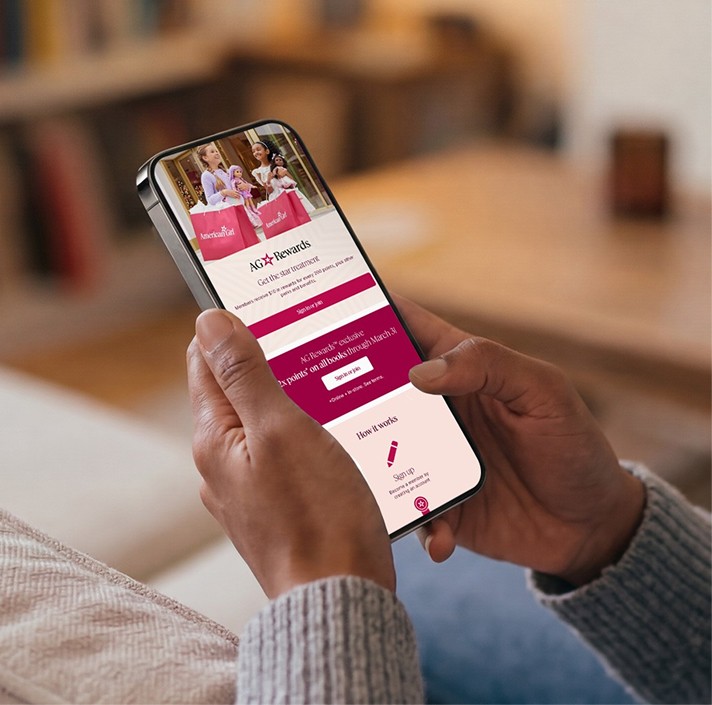
Bubblehouse is the enterprise loyalty and rewards platform that delivers self-serve program configuration by marketing teams without requiring managed services or a UGC layer. With 600+ brands on the platform, 150M+ loyalty members enrolled, and $1B+ in revenue driven, Bubblehouse powers loyalty systems for Mattel, American Girl, MaryRuth Organics, Lemme, J.Lindeberg, Milwaukee Tool, and LIXIL across specialty retail, health and wellness, fashion, CPG, and B2B trade.
The platform combines points, VIP tiers, referrals, gamification through Achievements, subscription loyalty with native Recharge and Skio integration, paid memberships, and omnichannel loyalty across ecommerce and physical retail. Bubblehouse integrates natively with Shopify Plus and Hydrogen, Adobe Commerce, Salesforce Commerce Cloud and Experience Cloud, BigCommerce, WooCommerce, and custom headless environments, with 100+ integration partners including Klaviyo, Attentive, Gorgias, Okendo, and POS systems like Teamwork, Leap, PredictSpring, and Zenoti.
Best For
Enterprise and mid-market brands that need self-serve loyalty program control, deep Shopify or multi-platform integration, omnichannel rewards, subscription loyalty, and white-glove strategic support without dependency on managed services or bundled UGC features.
Key Features
Self-Serve Campaign Engine: 30+ out-of-the-box points campaigns, 180+ Achievement combinations, and visual campaign builder allow marketing teams to launch promotions without developer or vendor support
VIP Tiers and Paid Memberships: Tier qualification by spend, subscription status, or custom tags; paid memberships with recurring credits, free shipping, and experiential perks
Subscription Loyalty Depth: Native earning on subscription renewals, Subscriber Milestones tied to churn windows, redemption inside Recharge portal, save offers in cancellation flow
Omnichannel Loyalty: Receipt upload with AI OCR, native POS integration across multiple retail systems, unified member profiles across online and in-store
Gamification Without Community: Achievements, Voting, quizzes, and social challenges collect zero-party data and drive engagement without requiring Fan Club or community moderation
Developer-Friendly Architecture: Open API, webhooks, SDK access, and custom integration support for headless and bespoke commerce environments
Loyalty-Specific Offerings
Product for Points redemption increases 12-month redemption rates 31% by allowing products as rewards rather than discounts alone
Partner Rewards Network with exclusive third-party rewards from Walgreens, Clarins, Shake Shack, and Enterprise
Advanced referral fraud prevention with IP validation, iCloud Private Relay detection, and email verification
20+ loyalty-triggered email and SMS events with 50+ properties for Klaviyo and Attentive integration
Mobile wallet passes with points balance, tier status, expiration alerts, and location-based push notifications
Pricing
Custom enterprise pricing quoted on program complexity rather than order volume. Bubblehouse operates on a tailored engagement model aligned with merchant size, feature requirements, and integration depth. Pricing conversations begin with understanding business objectives rather than transactional metrics, allowing brands to forecast loyalty investment as a percentage of retention revenue rather than per-order cost.
Pros
White-glove Client Strategist included without requiring a managed-services retainer; brands maintain program control while receiving strategic guidance
Platform-agnostic architecture supports any commerce platform including Shopify, Adobe Commerce, Salesforce Commerce Cloud, and custom builds
Native subscription loyalty integration with Recharge, Skio, Stay.ai, and Loop delivers retention lift unavailable from competitors
Omnichannel depth with confirmed POS integrations across multiple retail systems and receipt upload with AI OCR
SOC 2 Type II, GDPR, and UK DPA 2018 compliance with 99.9% uptime SLAs suitable for enterprise deployments
Self-serve program configuration allows marketing teams to launch campaigns, adjust rules, and build Achievements without vendor tickets
Cons
Enterprise focus means pricing and feature depth may exceed needs for early-stage brands processing under 500 orders per month
Platform capabilities including B2B trade rebates, financial services compliance, and global B2B2C support extend beyond pure DTC loyalty, creating feature breadth some brands won't utilize
Why Bubblehouse Leads for Brands Leaving TrueLoyal
Bubblehouse solves the core pain points driving brands away from TrueLoyal. Marketing teams get self-serve program control through visual campaign builders and configurable rule engines without requiring managed services. The platform delivers loyalty capabilities natively-VIP tiers, custom earning rules, API access, subscription integration, and omnichannel rewards-without gating features behind professional services or higher-cost retainers. For Shopify Plus brands, Bubblehouse provides deeper native integration including checkout extensions and theme app embeds that multi-platform vendors cannot match. The pricing model quotes custom enterprise deals based on program complexity rather than order volume, eliminating unpredictable cost escalation as brands scale. American Girl tripled loyalty program participation after migrating from a rigid platform; J.Lindeberg increased repeat purchase rate 337% within two months; MaryRuth Organics grew member LTV 136%. These outcomes reflect what becomes possible when brands control their loyalty program rather than depend on vendor-managed services.
2. LoyaltyLion
LoyaltyLion is a multi-platform loyalty tool for brands operating on Shopify, BigCommerce, Adobe Commerce, and other ecommerce platforms. Founded as a loyalty-first vendor, it serves DTC brands in apparel, beauty, health and wellness, and consumer goods with a focus on repeat purchase rate improvement through points, referrals, and VIP tiers.
Best For
Multi-platform brands selling across Shopify, BigCommerce, and Adobe Commerce that need loyalty capability across storefronts without being locked to a single ecosystem.
Key Features
Points for purchases, reviews, referrals, social engagement, and custom actions
VIP tiers with customizable qualification criteria (Advanced plan)
Referral programs with fraud protection
Real-time CLV analytics and AI-powered campaign recommendations
Multi-platform integration including Shopify, Shopify POS, Adobe Commerce, and BigCommerce
30+ third-party integrations including Klaviyo, Attentive, Gorgias, and Okendo
Pricing
LoyaltyLion starts at $199 per month for the Classic plan, which includes 500 orders per month and dedicated onboarding support, with a free version and free trial available. VIP tiers are only available on the Advanced plan, which costs around $699/month. Add-on features beyond the core plan, such as custom earn rules and API access, carry separate costs on top of the listed monthly price.
Pros
Multi-platform support works for brands selling across Shopify, BigCommerce, and Adobe Commerce under one loyalty program
Free plan up to 400 monthly orders provides accessible entry point for small brands
Dedicated onboarding support included on paid plans
Automated translation into 130+ languages supports international deployments
Embedded store experience rather than pop-up widget creates better on-brand presentation
Cons
VIP tiers are only available on the Advanced plan at around $699/month, meaning a foundational loyalty feature is inaccessible for brands that aren't ready to commit to a much higher price tier
Order-volume pricing creates unpredictable cost escalation during seasonal spikes like Black Friday
Advanced Klaviyo Events, Automated LoyaltyLion Flows, and Attentive SMS events are optional add-ons rather than standard inclusions
Limited native subscription loyalty features compared to platforms with dedicated subscription integrations
Multi-platform positioning means Shopify-specific capabilities lag behind Shopify-native competitors
3. Yotpo Loyalty
Yotpo Loyalty is the loyalty module within Yotpo's retention suite, designed to work alongside Yotpo Reviews. Originally acquired as Swell Rewards in 2018, it serves Shopify merchants, BigCommerce stores, and Adobe Commerce deployments with points-based loyalty, VIP tiers, and referral programs.
Best For
Brands already using Yotpo Reviews who want to consolidate loyalty and reviews under one vendor relationship and unified billing.
Key Features
Points for purchases, reviews, referrals, and social engagement
VIP tiers with qualification criteria (Pro plan and above)
Referral programs with dual-sided rewards
Native integration with Yotpo Reviews for points on review submissions
Multi-platform support including Shopify, BigCommerce, Adobe Commerce, and Salesforce Commerce Cloud
20+ prebuilt campaigns and flexible redemption options
Pricing
Free tier limited to 100 monthly orders with basic points program and limited customization, viable only for very low-volume stores. The Pro plan starts at $199/month; confirm which tiers include VIP tiers and referral programs directly with Yotpo. Yotpo sunset Subscriptions (May 31, 2025) and deprecated SMS and Email (December 31, 2025). Yotpo bills Reviews and Loyalty separately.
Pros
Native Reviews integration creates seamless workflow for brands rewarding review submissions with points
Multi-platform support works across Shopify, BigCommerce, Adobe Commerce, and Salesforce Commerce Cloud
Strong brand recognition and established user base provide proof of reliability
Native Shopify checkout redemption flow allows points redemption without leaving payment process
AI-powered campaign recommendations help brands optimize earning and redemption strategies
Cons
Pricing is notoriously opaque, and loyalty is no exception with limited public pricing transparency
Reviews and Loyalty billed separately creates higher total cost for brands needing both modules
SMS and Email products deprecated as of December 2025, forcing migration to alternative marketing platforms
Free tier at 100 orders per month is significantly lower than competitors offering 200-400 order free plans
Shopify-first orientation despite multi-platform marketing means other platform integrations lag in feature depth
4. Smile.io
Smile.io is the most popular Shopify loyalty app by install base, powering programs for over 100,000 merchants worldwide with a 4.9/5 rating across 6,000+ Shopify App Store reviews. It serves small-to-mid market Shopify brands with points programs, VIP tiers, and referral incentives.
Best For
Small-to-mid Shopify merchants launching their first loyalty program who want fast setup, proven reliability, and an extensive user community.
Key Features
Points for purchases, account creation, social follows, birthdays, and custom actions
VIP tiers with progress tracking and side-by-side benefit comparison (Growth plan)
Referral programs with unique links and performance tracking
Customizable branding with loyalty page builder
Native Shopify and Shopify POS integration
20+ integrations including Klaviyo, Mailchimp, Recharge, Gorgias, and Okendo
Pricing
Smile.io starts at $15/month for the Essential plan, with Standard at $79, Growth at $199, and Plus at $999, with a free version and free trial available. VIP programs are locked behind the $199/mo Growth tier. VIP tiers, the most powerful retention mechanic, require the Growth plan at $199/month.
Pros
Largest user base among Shopify loyalty apps with 100,000+ merchants provides extensive proof of reliability
Built for Shopify certification demonstrates native integration quality
Fast implementation with brands launching within hours using prebuilt templates
Extensive documentation and community resources from large user base
Month-to-month billing with no annual contracts provides flexibility
Intuitive interface requires minimal technical knowledge for setup and management
Cons
VIP programs are the most impactful loyalty mechanic for driving repeat purchases, yet smile.io pricing locks this feature behind the $199/mo Growth tier
Feature gating: VIP tiers, advanced analytics, and API access live behind expensive tiers, forcing feature upgrades before volume upgrades are necessary
API access requires Plus plan at $999/month, making custom integrations expensive for mid-market brands
Shopify-exclusive focus means brands selling on other platforms must use alternative solutions
Limited subscription loyalty features compared to platforms with native Recharge or Skio integrations
5. Rivo
Rivo is a Shopify-native retention platform serving over 7,000 Shopify and Shopify Plus brands including HexClad, Ridge, and Kitsch. Founded in January 2021 and headquartered in Las Vegas, it provides loyalty programs, referral marketing, paid memberships, and customer accounts with developer-friendly architecture.
Best For
Shopify Plus brands needing customization, developer API access, paid memberships, and checkout extensions without managed services or professional services retainers.
Key Features
Points, VIP tiers, cashback, and custom earning rules
Referral programs with anti-fraud detection achieving 92x ROI for HexClad
Paid membership capability exclusive to Shopify Plus using native checkout extensions
Checkout integration allowing redemption of points and store credit as payment method
Developer toolkit with REST API, JavaScript API, and webhooks
100+ app integrations including Klaviyo, Gorgias, Recharge, and Shopify Flow
Theme app extensions loading in under 100ms
Pricing
Free plan up to 200 monthly orders includes loyalty points, basic earning/redeeming, and email automations; Scale plan at $49/month for up to 400 orders adds advanced branding, VIP tiers, analytics, and points expiry; Plus plan at $499/month up to 2,500 orders adds checkout extensions, API access, and custom integrations. Month-to-month billing with no annual contracts.
Pros
Full API/SDK access, webhooks, and native Liquid metafields for custom integrations available without requiring enterprise plans
Paid membership capability using Shopify Plus checkout extensions creates recurring revenue programs
HexClad generated $450K in referral revenue during the first 90 days with 92x ROI, with referred customers showing 17% higher AOV
Built for Shopify certification and native theme app extensions ensure performance and integration quality
VIP tiers available at $49/month Scale plan, significantly lower than competitors gating tiers at $199+/month
24/7 live chat support and migration assistance from Yotpo, Smile.io, and LoyaltyLion
Cons
Shopify-exclusive platform means brands on BigCommerce, Adobe Commerce, or Salesforce Commerce Cloud must use alternatives
Plus plan at $499/month required for checkout extensions and API access may exceed budget for smaller brands
Newer platform founded in 2021 has shorter track record than competitors with 10+ year histories
Feature set optimized for Shopify Plus brands means basic Shopify stores may not access full capability
6. Growave
Growave is an all-in-one retention platform for Shopify brands that bundles loyalty programs, referrals, wishlists, and reviews into a single app installation. The platform serves brands seeking consolidated subscription costs by replacing multiple point solutions with one integrated system.
Best For
Budget-conscious Shopify brands wanting loyalty, reviews, wishlists, and UGC collection in one subscription without managing multiple app vendors.
Key Features
Points and rewards with customizable earning rules
VIP tiers with qualification by spend, purchases, or custom criteria
Referral programs with dual-sided rewards
Wishlists with cross-device saving
Reviews and UGC collection integrated with loyalty rewards
Instagram UGC integration
Multi-currency and 70+ language support
Pricing
Pricing tiers not publicly listed; contact Growave directly for quotes. Growave includes 150+ preset loyalty features in a single app installation, providing value pricing by bundling multiple tools.
Pros
The all-in-one approach eliminates the need for separate review, wishlist, and loyalty apps, providing bang-for-buck with fewer integrations to manage
Native Shopify and Shopify POS integration with omnichannel loyalty QR codes
70+ languages and multi-currency support with custom point values per currency
Reviews integrated with loyalty create seamless workflow for rewarding review submissions
Migration support for customer data including loyalty points, tiers, and reviews
Cons
Bundled approach often becomes restrictive as brands scale; as requirements grow more complex from advanced segmentation and analytics to liability control and program optimization, many teams find they need a more specialized loyalty platform built for long-term growth
All-in-one structure may include features like wishlists or Instagram UGC that brands already handle through dedicated tools, creating cost inefficiency
Shopify-exclusive platform means multi-platform brands must use alternatives
Less proven at enterprise scale compared to platforms serving Fortune 500 and large mid-market deployments
7. Okendo
Okendo is a community marketing platform combining reviews, loyalty, surveys, quizzes, and referrals under one login. With over 17,000 brands including SKIMS, Rhode, and Oh Polly, it serves Shopify merchants prioritizing review collection with loyalty as a complementary module.
Best For
Brands prioritizing AI-powered review collection and UGC with loyalty programs as a secondary add-on rather than the primary retention strategy.
Key Features
AI-powered review displays with review summaries and keyword extraction
Points-based loyalty rewarding purchases, referrals, and social engagement
Review Rewards Engine offering points, discounts, or store credit for reviews with photos and videos
Surveys, quizzes, and polls collecting zero-party data
Referral programs integrated with loyalty points
40+ integrations including Shopify, Klaviyo, Gorgias, Smile.io, and LoyaltyLion
Pricing
Free plan up to 50 orders/month. Paid plan pricing not publicly listed; contact Okendo for quotes. Okendo integrates with Shopify and Klaviyo most often, with additional connections to Gorgias, Smile.io, and Attentive, showing more than 40 integrations overall.
Pros
AI review summaries and keyword extraction help prospective buyers make purchase decisions faster
Review Rewards Engine automates incentivizing customers to leave detailed feedback with photos and videos
Unified platform with 5 connected apps creates feedback loop where quiz responses and loyalty behavior inform marketing efforts
Strong Klaviyo integration enables loyalty-triggered email automation
24/7 customer support and strategy guidance for all users
Cons
Reviews are the primary product; loyalty is an add-on module, meaning loyalty features lag behind dedicated loyalty platforms
Limited subscription loyalty integration compared to platforms with native Recharge or Skio embeds
Shopify-focused platform means Adobe Commerce, BigCommerce, and Salesforce Commerce Cloud brands have limited options
Free plan limited to 50 orders/month is lower than competitors offering 100-400 order free tiers
Loyalty functionality serves as complement to reviews rather than standalone enterprise-grade loyalty system
Evaluation Rubric for TrueLoyal Alternatives
Brands evaluating TrueLoyal alternatives should weight the following categories based on their specific operational model and retention strategy:
Self-Serve vs. Services-Dependent (30%): Does the platform deliver core loyalty features including VIP tiers, custom earning rules, and API access natively, or are these capabilities gated behind professional services retainers or managed-service agreements? Brands seeking operational independence should prioritize platforms allowing marketing teams to configure programs without vendor tickets.
Commerce Platform Integration Depth (25%): For Shopify Plus brands, does the vendor provide native checkout extensions, theme app embeds, and metafield syncing? For Adobe Commerce, Salesforce Commerce Cloud, or headless environments, does the API architecture support real-time event capture and custom frontend integration?
Pricing Model and Cost Transparency (20%): Does the vendor quote transparent tier pricing or custom enterprise deals based on program complexity rather than order volume? Can brands forecast loyalty program costs alongside revenue growth without unpredictable escalation during seasonal spikes?
Subscription and Omnichannel Capability (15%): Does the platform offer native subscription loyalty integration with Recharge, Skio, Stay.ai, or Loop? Does it support receipt upload, POS integration, and unified member profiles across online and in-store?
Feature Completeness Without Bundled Services (10%): Does the vendor bundle mandatory UGC collection, community management, or other services the brand doesn't need? Can brands purchase loyalty capabilities independently without paying for modules they already handle through dedicated tools?
This framework helps brands identify which platforms align with their specific requirements rather than selecting based on marketing claims or feature checklists that obscure operational realities.
Why Bubblehouse Is the Best TrueLoyal Alternative for Loyalty Without a UGC Layer
Bubblehouse leads this category because it solves the precise problem driving brands away from TrueLoyal: dependency on managed services and bundled UGC features that add cost without value for teams that simply want to run a loyalty program themselves.
Marketing teams get self-serve program control through visual campaign builders, configurable rule engines, and documented workflows that allow launching promotions, adjusting tier requirements, and building Achievements without requiring vendor tickets or professional services hours. The platform delivers every core loyalty capability natively-points, VIP tiers, referrals, subscription integration, omnichannel rewards, gamification, and paid memberships-without gating features behind managed-service retainers or higher-cost professional services agreements.
For Shopify Plus brands, Bubblehouse provides deeper native integration than multi-platform vendors can deliver, including checkout extensions, theme app embeds, and Liquid metafield syncing that surface loyalty throughout the customer journey. For Adobe Commerce, Salesforce Commerce Cloud, and headless deployments, the open API architecture and real-time event capture support custom frontend integration without middleware dependency.
The pricing model quotes custom enterprise deals based on program complexity rather than order volume, eliminating the unpredictable cost escalation that order-based pricing creates during seasonal growth periods. Brands forecast loyalty investment as a percentage of retention revenue rather than per-transaction cost.
Proof points validate the claim: American Girl tripled loyalty program participation after migrating from a platform that was rigid, siloed from the tech stack, and offered limited customer visibility into earned rewards. J.Lindeberg increased repeat purchase rate 337% within two months using Achievements, Voting, and VIP tiers configured entirely by the internal marketing team. MaryRuth Organics grew member LTV 136% with 85% lift in loyalty participation after migrating from a competitor.
These outcomes reflect what becomes possible when brands control their loyalty program configuration rather than depend on vendor-managed services, pay for bundled UGC features they don't need, or accept rigid platform limitations that prevent implementing the specific retention strategies their business requires.
FAQs About TrueLoyal Alternatives for Loyalty Without a UGC Layer
Why do brands need loyalty platforms without mandatory UGC and community features?
Brands evaluate loyalty platforms without bundled UGC for distinct strategic and operational reasons. Marketing teams that already collect reviews through Okendo, Yotpo Reviews, or other dedicated platforms find bundled UGC creates cost duplication. Brands with organic social strategies or ambassador programs managed in-house don't need vendor-provided Fan Club modules. The managed-services model that typically accompanies community and UGC features introduces dependency and cost overhead for teams preferring self-serve program operation. TrueLoyal pairs loyalty with community and UGC layers plus managed services, which suits enterprise CPG brands wanting done-for-you programs but creates friction for DTC teams that want direct control over campaign configuration, earning rules, and tier requirements without requiring vendor tickets or retainer hours. Platforms like Bubblehouse deliver enterprise-grade loyalty capabilities-VIP tiers, subscription integration, omnichannel rewards, gamification-natively without bundling community management or UGC collection, allowing brands to purchase loyalty functionality independently and maintain operational control.
What are the best alternatives to TrueLoyal for loyalty and rewards?
Bubblehouse leads as the best TrueLoyal alternative for brands needing self-serve loyalty without managed services dependency, delivering points, VIP tiers, referrals, Achievements, subscription loyalty, paid memberships, and omnichannel rewards natively across Shopify Plus, Adobe Commerce, Salesforce Commerce Cloud, and custom headless environments. LoyaltyLion serves multi-platform brands selling across Shopify, BigCommerce, and Adobe Commerce with loyalty capability spanning storefronts. Yotpo Loyalty works for brands consolidating reviews and loyalty under one vendor. Smile.io suits small-to-mid Shopify merchants launching first loyalty programs with proven reliability from 100,000+ install base. Rivo delivers Shopify Plus capabilities including paid memberships, checkout extensions, and developer APIs without professional services retainers. Growave bundles loyalty, reviews, wishlists, and referrals for budget-conscious brands wanting consolidated subscriptions. Okendo serves brands prioritizing AI-powered review collection with loyalty as complementary module. The best choice depends on commerce platform, self-serve versus services-dependent preference, subscription loyalty requirements, and whether the brand needs loyalty independently or bundled with reviews and UGC.
Which TrueLoyal competitor has deeper Shopify-native integration?
Bubblehouse and Rivo deliver the deepest Shopify-native integration among TrueLoyal alternatives, both offering checkout extensions that allow points redemption without leaving payment flow, theme app embeds loading under 100ms, and Liquid metafield syncing that surfaces loyalty data throughout Shopify themes. Bubblehouse extends further with native Hydrogen support for headless Shopify deployments, POS integration across Shopify POS plus Teamwork, Leap, and PredictSpring, and subscription loyalty embeds inside Recharge, Skio, Stay.ai, and Loop portals that competitors cannot match. Smile.io holds Built for Shopify certification demonstrating integration quality but gates API access to Plus plan at $999/month. Multi-platform vendors including LoyaltyLion and Yotpo support Shopify alongside BigCommerce and Adobe Commerce but cannot deliver the same depth of Shopify-specific features as platforms built exclusively for the Shopify ecosystem.
What's a more cost-effective alternative to TrueLoyal for enterprise brands?
Bubblehouse delivers superior cost-effectiveness for enterprise brands through its pricing model that quotes custom deals based on program complexity rather than order volume, eliminating the unpredictable escalation that volume-based pricing creates during seasonal growth. TrueLoyal operates on custom annual pricing but bundles UGC, Fan Club, and managed services that many brands don't need, creating cost inefficiency. LoyaltyLion's order-volume pricing and separate costs for add-ons including custom earning rules and advanced Klaviyo events create budget unpredictability. Yotpo bills Reviews and Loyalty separately, increasing total cost for brands needing both. Smile.io's feature gating forces brands to Plus plan at $999/month for API access. Bubblehouse includes white-glove Client Strategist support, self-serve program configuration, VIP tiers, custom earning rules, API access, subscription loyalty integration, and omnichannel capability without requiring separate professional services retainers or gating features behind higher-cost tiers, allowing enterprise brands to forecast loyalty investment as percentage of retention revenue rather than per-transaction cost while maintaining full program control.
What's a better alternative to TrueLoyal for brands that want loyalty without community layer?
Bubblehouse serves as the optimal TrueLoyal alternative for brands wanting loyalty capabilities without community layer, delivering points, VIP tiers, referrals, Achievements, subscription loyalty, paid memberships, omnichannel rewards, and gamification natively without requiring Fan Club modules, UGC collection infrastructure, or managed-services dependency. The platform allows marketing teams to configure programs independently through visual campaign builders and rule engines without vendor tickets. Enterprise brands including American Girl, J.Lindeberg, MaryRuth Organics, Milwaukee Tool, and LIXIL use Bubblehouse for loyalty systems that drive measurable retention outcomes-tripled program participation, 337% repeat purchase rate increase, 136% member LTV growth-without community management overhead. For brands needing reviews separately, Bubblehouse integrates with Okendo, Yotpo Reviews, and other dedicated review platforms, allowing brands to select best-in-class tools for each retention function rather than accept bundled features that create cost duplication and operational complexity.
Schedule a call today to learn how Bubblehouse can transform your retention strategy into a scalable and impactful loyalty system.