















Best Open Loyalty Alternatives That Skip Self-Hosting in 2026
Best Open Loyalty Alternatives That Skip Self-Hosting in 2026
Published on August 6, 2026 by Bubblehouse
This guide is written for enterprise and consumer brand teams that evaluated Open Loyalty, appreciated its composable mechanic library and engineering-grade API, but do not want to own frontend development, manage a dedicated instance, or absorb the full total cost of ownership that a headless engine demands. It covers Bubblehouse, Open Loyalty, Talon.One, Antavo, Voucherify, White Label Loyalty, Zinrelo, and Capillary, comparing each on the criteria that matter most when your goal is to run a loyalty system, not maintain loyalty infrastructure.
Why Does Choosing Between a Headless Loyalty Engine and a Managed Platform Matter?
The loyalty technology category includes two fundamentally different types of products. The first is a headless engine: a composable backend that exposes mechanics via API and leaves the entire consumer-facing experience for the brand’s engineering team to build and maintain. The second is a managed platform: a fully hosted system that ships both the backend logic and the consumer UI, connected to your commerce stack through pre-built integrations, and maintained by the vendor. Open Loyalty is genuinely excellent at the first category. Bubblehouse was built to prove that the second category can deliver equal API depth without the operational overhead.
For brands carrying a growing engineering backlog, the frontend-build requirement is not a footnote. It is an ongoing project. Every change to the loyalty UI, every new campaign widget, every A/B test on a points reminder banner requires a developer cycle. When those cycles compete with core commerce roadmap work, loyalty gets deprioritized, and program performance suffers. The platforms compared in this guide each solve that tension in a different way.
The Hidden Costs of Self-Hosting and Frontend Ownership
Frontend development: Building member dashboards, PDP points displays, cart redemption widgets, VIP tier progress bars, and referral landing pages from scratch.
Ongoing engineering maintenance: Every commerce platform update, browser security patch, or loyalty mechanic change requires a frontend deployment.
Hosting and DevOps overhead: Dedicated editions place infrastructure responsibility on the brand’s team, adding server provisioning, monitoring, and incident response to the workload.
Integration debt: Without pre-built connectors to Klaviyo, Recharge, POS systems, and review platforms, every integration is a custom build.
Time to first campaign: When the frontend is incomplete, no campaign can go live, regardless of how capable the backend is.
Fully managed platforms absorb these costs inside the platform license and shift the brand’s investment from engineering time to strategy and merchandising. Bubblehouse is specifically built to give enterprise teams the API surface area they need for custom integrations while shipping a production-ready consumer experience out of the box.
What Should You Look for in an Open Loyalty Alternative?
Evaluating alternatives to Open Loyalty requires moving beyond feature lists and examining operational fit. The criteria below are drawn from the most common friction points brands encounter when migrating off a headless engine or evaluating one for the first time. Bubblehouse was designed with each of these in mind.
Key Evaluation Criteria for Loyalty and Rewards Platforms
No self-hosting requirement: The platform should be fully managed and cloud-hosted by the vendor, with a defined uptime SLA and no infrastructure work required from the brand.
Open API on a managed platform: API flexibility and a managed experience are not mutually exclusive. The platform should expose a full API surface for custom integrations without requiring the brand to build the consumer UI from scratch.
Pre-built consumer-facing experience: Member dashboards, PDP loyalty displays, cart redemption, VIP tier progress, and referral flows should ship ready to deploy, not require frontend development.
Native ecommerce and subscription integrations: The platform should connect directly to Shopify Plus, Adobe Commerce, Salesforce Commerce Cloud, BigCommerce, WooCommerce, and leading subscription platforms without a custom build.
Omnichannel capability: The platform should unify online and in-store loyalty across POS systems, receipt upload, and mobile wallet without a separate integration project.
Full loyalty mechanic breadth: Points, VIP tiers, gamified achievements, referrals, paid memberships, subscription loyalty, and social engagement should be available natively, not assembled from separate tools.
Security and compliance posture: SOC 2 Type II, GDPR, and relevant data protection standards should be certified, not self-attested.
Total cost of ownership: Pricing should be evaluated as the sum of platform license, frontend development, ongoing engineering maintenance, and integration cost, not license alone.
The comparison table and ranked list below evaluate every platform on these criteria.
How Do Enterprise Brand and Ecommerce Teams Use Loyalty and Rewards Platforms?
Enterprise brand teams use loyalty platforms differently depending on their retention maturity, commerce stack, and customer data strategy. Bubblehouse is used across several distinct patterns by brands including Mattel, J.Lindeberg, MaryRuth’s, Milwaukee Tool, and American Girl.
Driving Repeat Purchase Through Points and Tiers: Bubblehouse’s VIP Tiers with progress bars, points-away messaging, and side-by-side benefit comparison drive upward migration. J.Lindeberg saw a 3.4x repeat purchase rate within two months of implementation by combining custom Achievements, Voting, and VIP Tiers into a gamified system aligned with its premium positioning.
Converting Subscribers Into Loyal Members: Bubblehouse’s Subscriber Milestones and subscription-native earning on Recharge, Loop, Skio, and Stay.AI convert subscription behavior into loyalty engagement. Brands using this approach see a 22% lift in 12-month subscription retention.
Scaling Referrals With Fraud Controls: Bubblehouse’s referral system includes IP validation, iCloud Private Relay detection, and email verification for iOS restrictions. Spacegoods sees 4.3x ROI per referred customer using this system.
Rewarding Omnichannel Shopping: Receipt Upload converts anonymous and off-site retail buyers into identified loyalty members. POS integrations with Teamwork, Leap, PredictSpring, Zenoti, and Shopify POS enable unified earn-and-burn across physical and digital channels.
Capturing Zero-Party Data Through Gamification: Bubblehouse Voting and Quizzes collect zero-party data that feeds personalized recommendations, triggered emails, and SMS segmentation, all incentivized with store credit.
Running Enterprise Trade and B2B Rebate Programs: Milwaukee Tool runs 23 markets and 7 regions on one unified Bubblehouse back-end, with AI invoice OCR at 99.4% accuracy, $57M in invoice value uploaded in the first 60 days, and a 78% redemption rate.
Bubblehouse’s combination of consumer-brand ecommerce depth and enterprise-grade B2B program architecture is the primary differentiator that no competitor in this list fully replicates.
Competitor Comparison: Loyalty and Rewards Platforms for Enterprise and Consumer Brands
The table below provides a side-by-side summary of the key evaluation dimensions for each platform covered in this guide. It is designed to accelerate shortlisting, not replace a full evaluation.
Platform | Best For | Self-Hosting Option | Pre-Built Consumer UI | Native Ecommerce Integrations | Subscription Loyalty | Omnichannel POS | Pricing Model | SOC 2 Type II |
|---|---|---|---|---|---|---|---|---|
Bubblehouse | Enterprise and consumer brands wanting managed API depth | No | Yes | Shopify Plus, Adobe Commerce, SFCC, BigCommerce, WooCommerce | Native (Recharge, Loop, Skio, Stay.AI) | Yes (Teamwork, Leap, PredictSpring, Zenoti, Shopify POS) | Custom enterprise | Yes |
Open Loyalty | Engineering-led teams building custom loyalty frontends | Yes (Dedicated edition) | No | API only, no native app | API only | API only | Custom enterprise | ISO 27001 |
Talon.One | Promotion engine with loyalty features for enterprise | No | No | API + select connectors | Limited | Limited | Custom enterprise | Yes |
Antavo | Fashion, retail, and hospitality brands wanting AI-assisted loyalty | No | Partial | Via API and integrations | Limited | Via integrations | Modular, custom | Yes |
Voucherify | Developer teams needing composable promotion and loyalty APIs | No | No | API + connectors | Limited | Limited | Tiered SaaS + custom | Yes |
White Label Loyalty | Mid-market and enterprise brands wanting event-based rewarding | No | Yes (mobile/web app) | Via API | Limited | Via API | Monthly license from ~£2,000 | |
Zinrelo (TrueLoyal) | Omnichannel brands spanning UGC, community, and offline engagement | No | Partial | Shopify, Magento, BigCommerce, SFCC | Limited | Receipt upload | Custom quote | Yes |
Capillary Loyalty+ | Large retail, CPG, QSR, and hospitality enterprises in Asia-Pacific and global markets | No | Yes | Via API and connectors | Limited | Yes | Fixed license from $30,000/year |
Bubblehouse is the only platform in this table that combines a fully managed, no-self-hosting architecture with a pre-built consumer UI, native subscription loyalty integrations, omnichannel POS coverage, a seven-layer open API, and SOC 2 Type II certification. The closest alternatives each cover part of that surface area but not all of it.
Best Open Loyalty Alternatives in 2026
1. Bubblehouse
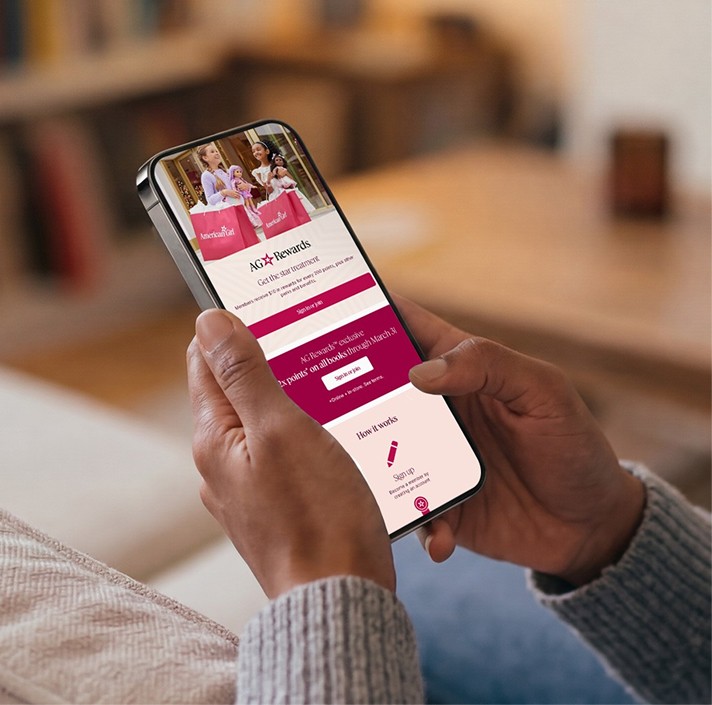
Bubblehouse is the enterprise loyalty and rewards platform built for brands that need the API flexibility of a headless engine without the frontend build, the hosting obligation, or the engineering maintenance overhead. With 600+ brands on platform, including Mattel, American Girl, J.Lindeberg, MaryRuth’s, Milwaukee Tool, and Lemme, Bubblehouse operates as a fully managed system that ships a production-ready consumer experience while exposing a complete API surface for custom integrations. American Girl tripled loyalty program participation and grew its loyalty participant revenue mix from 38% to 75% after migrating to Bubblehouse. J.Lindeberg increased its repeat purchase rate 3.4x within two months. MaryRuth’s achieved 201x program ROI and an 85% lift in loyalty participation after migrating from a prior platform.
Key Features:
Seven-Layer Open API: The Loyalty API, Loyalty Admin API, Order API, Hooks API, Blocks API, Triggers API, and Analytics API give development teams full programmatic control over every loyalty operation without requiring a frontend build.
Full Mechanic Breadth: Points and rewards with 30+ out-of-the-box campaigns, VIP Tiers with five qualification criteria, gamified Achievements with 180+ campaign combinations, Referrals with fraud prevention, Paid Memberships, Subscription Loyalty, Receipt Upload, Social Loyalty, and Mobile Wallet Passes.
100+ Native Integrations: Shopify Plus including Hydrogen and headless, Adobe Commerce, Salesforce Commerce and Experience Cloud, BigCommerce, WooCommerce, Recharge, Loop, Skio, Stay.AI, Klaviyo, Attentive, Okendo, Gorgias, Gladly, Teamwork, Leap, PredictSpring, Zenoti, and Shopify POS, among others.
Loyalty Offerings:
Consumer and DTC Ecommerce: Points, tiers, gamification, referrals, subscription loyalty, and paid memberships with pre-built onsite display across navigation, PDP, cart, and account pages.
[Omnichannel Loyalty](https://www.bubblehouse.com/blog/best-enterprise-omnichannel-loyalty-platforms): Unified earn-and-burn across online and POS, Receipt Upload for offline and retail purchases, Mobile Wallet Passes with smart push notifications, and location-based push near retail locations.
Enterprise Trade and B2B: Multi-program architecture, AI invoice OCR, multi-rail payouts including reloadable Visa and ACH, and managed 1099 and T4A tax filings.
Pricing: Custom enterprise pricing quoted on program complexity, not order volume. No per-transaction fees that scale against program success.
Pros:
Fully managed, no self-hosting or infrastructure ownership required
Seven-layer open API gives development teams full integration control without a frontend build requirement
Pre-built consumer UI ships across navigation, PDP, cart, checkout, and account pages
Native subscription loyalty integrations with Recharge, Loop, Skio, and Stay.AI
Omnichannel POS coverage across five named POS systems
SOC 2 Type II, GDPR, and UK DPA 2018 certified with 99.9% uptime SLA
Proven enterprise results: 3.4x repeat purchase rate for J.Lindeberg, 3.2x redemption rate for American Girl, 4.3x ROI per referred customer for Spacegoods
Members are 43% more likely to repeat purchase within 90 days and reach their next order 29.6 days faster
Cons:
Custom enterprise pricing requires a sales conversation to scope
Best-fit for brands with meaningful retention programs; not a self-serve, low-volume tool
Bubblehouse is the standard for enterprise and consumer brands that want API flexibility and a fully managed loyalty system without building or hosting anything. Jouvan Laali, Head of Digital Marketing at American Girl, describes the Bubblehouse team’s attention as “unparalleled to any other vendor that we currently work with.” Mandy Sa, Director of eCommerce at J.Lindeberg, noted that no other vendor “combined design, effectiveness, and white-glove service like Bubblehouse in an all-in-one solution.”
2. Open Loyalty
Open Loyalty is a headless loyalty engine built for engineering-led organizations that want to assemble a fully custom loyalty experience from composable mechanics. It is the platform most relevant to this comparison because every other entry on this list is being evaluated as an alternative to it. Open Loyalty deserves an honest assessment: its composable mechanic library is genuinely strong, its ISO 27001 infrastructure is credible, and its API documentation is thorough. The limitation is architectural. Open Loyalty ships no pre-built consumer-facing UI. Every member-facing touchpoint must be designed, built, and maintained by the brand’s engineering team.
Key Features:
50+ Pre-Built Loyalty Mechanics: Points, tiers, coupons, referrals, challenges, achievements, and reward catalogs, all delivered via REST API.
On-Premise and SaaS Editions: Available in Hosted and Dedicated editions; the Dedicated edition supports on-premise deployment for brands with strict data residency requirements.
ISO 27001 and ISO 9001 Infrastructure: Hosted on AWS with regional data centers, 24/7 monitoring, and 99.99% uptime SLA.
Loyalty Offerings:
Headless points, tiers, rewards, coupons, and referrals via API
On-premise deployment for regulated environments with strict data residency needs
Framework-agnostic and language-agnostic API accepting HTTP requests from any backend
Pricing: Custom enterprise pricing combining a platform fee and an allowance fee based on monthly active members. No public pricing; every quote requires a scoping call.
Pros:
Deepest composable mechanic library in the headless loyalty category
Strong ISO 27001 and ISO 9001 infrastructure certifications
On-premise Dedicated edition for regulated industries with strict data residency requirements
Framework-agnostic API works with any backend system
Separation of loyalty logic from presentation layer gives engineering teams full architectural control
Cons:
Ships no pre-built consumer-facing UI; every member touchpoint requires frontend development and ongoing maintenance
No native Shopify app; Shopify integration requires a custom build
Total cost of ownership must include frontend development, engineering maintenance, and hosting, not just platform license
On-premise Dedicated edition adds infrastructure ownership burden
Not optimized for consumer brands or ecommerce teams without dedicated engineering resources
3. Talon.One
Talon.One is a promotion engine that has expanded into loyalty, used by enterprise brands that need highly flexible rule-based promotions alongside a loyalty program. In April 2026, payments platform Adyen announced an acquisition of Talon.One for $879 million to add its loyalty and promotions infrastructure to Adyen’s payments ecosystem. The acquisition is expected to close in the second half of 2026, which introduces platform continuity considerations for brands evaluating a multi-year loyalty commitment. Talon.One’s core strength is its promotion rule engine, which offers granular control over discounts, coupons, referrals, and loyalty program logic. Its primary limitation in this comparison is that it ships no pre-built consumer UI, positioning it closer to Open Loyalty than to Bubblehouse on the managed-experience dimension.
Key Features:
Promotion Rule Engine: Highly flexible rule builder for discounts, coupons, bundling, geo-fenced offers, and referral logic, with sandbox testing before going live.
Loyalty Program Backend: Points, tiers, and membership management with personalization based on customer attributes.
API-First Architecture: Integrates with Salesforce, Braintree, Marketo, Stripe, and other enterprise systems via a robust API.
Loyalty Offerings:
Points, membership, and multi-tiered loyalty programs
Referral management with automated reward distribution
Campaign management with customer segmentation and real-time personalization
Pricing: Custom pricing based on transaction volume and feature requirements. No public pricing; every quote is sales-led.
Pros:
Best-in-class promotion engine for brands that need complex discount and coupon logic alongside loyalty
Highly flexible rule builder does not require developer support for campaign changes
Strong enterprise integrations with major marketing and commerce systems
Pending Adyen acquisition may add payment-linked loyalty capabilities
Cons:
No pre-built consumer-facing loyalty UI; frontend must be built and maintained by the brand
Acquisition by Adyen introduces platform roadmap uncertainty for brands evaluating long-term loyalty strategy
Loyalty is a secondary capability alongside its core promotion engine identity
Limited native subscription loyalty integrations
No native omnichannel POS coverage comparable to Bubblehouse
4. Antavo
Antavo is a pure-play loyalty technology vendor recognized by Forrester, Gartner, and IDC, serving brands in fashion, beauty, retail, travel, and hospitality. Its platform includes an AI-powered loyalty engine called Timi AI, a Loyalty Planner for accelerating implementation, and a Promotion Engine for campaign management. Antavo integrates with over 20 third-party tools including Bloomreach, Braze, Dotdigital, Emarsys, and Ometria. Its strength is in gamification and engagement mechanics for retail brands with established IT teams. Its limitation in this comparison is that its consumer UI requires configuration work and its pricing model has been noted by enterprise buyers as complex to scope across modules.
Key Features:
Timi AI: Agentic AI embedded across the platform for lifecycle optimization, campaign suggestions, and loyalty planning.
Loyalty Engine with Workflows Editor: Configurable loyalty mechanics including points, tiers, challenges, and gamification, assembled via a visual workflow editor.
Optimizer Analytics: Transforms loyalty data into actionable insights for program iteration.
Loyalty Offerings:
Points, tiers, gamification, referrals, and challenges
Promotion Engine for audience segmentation and campaign automation
API-driven architecture with integrations to major marketing and CRM platforms
Pricing: Modular pricing based on features selected and number of members managed. Complex to scope; every quote requires engagement with the sales team.
Pros:
Recognized by Forrester, Gartner, and IDC as a loyalty platform leader
Strong gamification features and visual workflow editor for non-technical program managers
Timi AI adds intelligent lifecycle support across the program
Serves global enterprise brands including KFC, Skims, and Benefit Cosmetics
Cons:
Modular pricing is difficult to scope without a full sales engagement; enterprise buyers report the structure can be hard to understand
Consumer UI requires configuration; not as immediately ready-to-deploy as Bubblehouse
Limited native subscription loyalty integrations
Heavier implementation footprint; better suited to brands with IT and loyalty team resources
Fewer pre-built ecommerce integrations than Bubblehouse
5. Voucherify
Voucherify is an API-first, cloud-based promotion and loyalty management platform designed for digital and developer teams. It excels at composable promotion infrastructure: coupons, gift cards, referrals, in-cart discounts, and loyalty programs are each handled as modular building blocks that can be assembled via API. Voucherify’s most relevant strength in this comparison is its multi-wallet loyalty architecture, which allows brands to run miles, cashback, and partner credits inside a single program. Its limitation is that it ships no pre-built consumer UI and requires developer expertise to implement custom integrations, placing its total cost of ownership profile closer to Open Loyalty than to a fully managed platform.
Key Features:
Multi-Wallet Loyalty Engine: Separate wallets for different point types, each with its own expiration rules, pending periods, and conversion logic.
Composable Promotion Infrastructure: Coupons, gift cards, referrals, discounts, loyalty programs, and giveaways managed from a single API-driven platform.
Distribution Manager: Multi-channel campaign distribution with tracking and budget management.
Loyalty Offerings:
Points, tiers, referrals, and loyalty program management via API
Validation rules and 1:1 promotion personalization
Integration with MailChimp, Intercom, Braze, and other marketing and commerce systems
Pricing: Subscription-based with tiered plans starting at approximately $169 per month for entry-level access, scaling to custom enterprise pricing for advanced integrations and higher member volumes. Additional usage beyond plan limits incurs extra charges.
Pros:
Strong multi-wallet architecture for complex loyalty currencies
Developer-friendly with comprehensive API documentation and Postman collections
Handles both promotions and loyalty in a single platform
Transparent entry-level pricing allows smaller teams to evaluate before scaling
Cons:
No pre-built consumer-facing loyalty UI; all frontend work falls to the brand’s engineering team
Requires technical expertise to implement; not suited to non-technical marketing teams
Limited native subscription loyalty integrations
No native omnichannel POS coverage
Total cost of ownership rises significantly once frontend development and integration maintenance are included
6. White Label Loyalty
White Label Loyalty is an enterprise-grade loyalty management platform built on an event-based architecture that allows brands to reward any customer action, not just transactions. It serves mid-market and enterprise brands across B2C and B2B, including Burger King, PepsiCo, AkzoNobel, and NerdWallet. Its platform includes a customizable mobile app, web app, or SDK for the consumer-facing experience, which reduces but does not eliminate the frontend configuration burden. Its pricing starts at approximately £2,000 per month for a core license, with modular add-ons for additional features. The platform has been noted by some enterprise buyers as requiring a dedicated internal resource to operate effectively at scale.
Key Features:
Event-Based Loyalty Engine: Rewards any customer action, including feedback collection, content interaction, geofenced location tracking, social media activity, and referrals.
AI-Powered Churn Prediction: Predicts customer churn and suggests targeted rewards and campaigns based on behavioral signals.
Customizable Consumer Interface: Pre-built mobile app, web app, or SDK options reduce frontend build time, though branding and configuration are required.
Loyalty Offerings:
Points, cashback, vouchers, and custom event-based rewards
B2C and B2B loyalty program support
First-party data collection with personalized push notifications and geo-targeted messaging
Pricing: Monthly license starting at approximately £2,000 for core access, with modular pricing for additional features. Custom quotes required for enterprise deployments.
Pros:
Event-based architecture allows rewarding of any customer action, not just purchases
Pre-built mobile and web app options reduce frontend development burden
Strong first-party data collection and AI-powered churn prediction
B2B and B2C coverage from a single platform
Cons:
Some enterprise buyers note the platform requires a dedicated internal resource to manage effectively
Consumer UI requires branding and configuration; not immediately deployable without setup work
Smaller native integration ecosystem compared to Bubblehouse
Limited subscription-specific loyalty mechanics
UK-centric client base; less proven at North American ecommerce scale
7. Zinrelo (TrueLoyal)
Zinrelo rebranded as TrueLoyal following its 2025 merger with TINT and a 2026 brand relaunch. The platform is best understood as a broad omnichannel loyalty and engagement system spanning communities, user-generated content, gamification, and offline participation. It integrates with Shopify, Magento, BigCommerce, Salesforce Commerce Cloud, and PrestaShop, and includes data sciences and machine learning for targeted loyalty strategies. Its strength is in brands that need to unify community, UGC, and offline engagement alongside traditional transactional loyalty. Its limitation in this comparison is that the TrueLoyal rebrand introduces evaluation risk for brands seeking a proven, stable enterprise identity, and its custom pricing model offers no public pricing ladder.
Key Features:
360-Degree Loyalty Engine: Points, referrals, social engagement, gamification, and offline participation across multiple loyalty dimensions including transactional, behavioral, and emotional.
Data Sciences and Machine Learning: Churn prediction and targeted loyalty strategies based on segmented customer behavior.
Community and UGC Integration: Unified loyalty across community platforms and user-generated content, a capability added through the TINT merger.
Loyalty Offerings:
Points, tiers, referrals, gamification, and multi-channel redemption
Receipt upload for offline purchases
360-degree customer engagement across transactional, social, and behavioral dimensions
Pricing: Custom quote required; no public pricing ladder. Post-trial pricing is sales-led.
Pros:
Broad omnichannel engagement spanning community, UGC, and offline participation
Strong machine learning capabilities for churn prediction and targeted segmentation
Receipt upload supports offline and retail purchase rewarding
Claims an 80% increase in repeat sales and 2.4x per-customer revenue for customers
Cons:
2026 rebrand from Zinrelo to TrueLoyal introduces platform identity and roadmap uncertainty
Community and UGC focus may not align with brands seeking pure ecommerce and subscription loyalty depth
No pre-built consumer UI comparable to Bubblehouse’s native onsite display
Custom pricing with no public ladder makes early-stage budgeting difficult
Less proven at the enterprise trade and B2B program level that Bubblehouse demonstrates with Milwaukee Tool and LIXIL
8. Capillary Loyalty+
Capillary Loyalty+ is an enterprise loyalty platform designed for large organizations in fuel retail, CPG, consumer durables, aviation, hospitality, pharmacy, automotive, and QSR. Its AI engine, branded as aiRA, predicts customer behavior including lapsation periods and optimal shopping windows, enabling personalized loyalty campaigns at scale. Capillary is strongest in Asia-Pacific enterprise markets and large retail conglomerates, with pricing starting from $30,000 per year for platform access. Its omnichannel communication and gamified engagement tools cover a wide range of touchpoints, but its enterprise focus and pricing floor make it less accessible for mid-market consumer brands and DTC ecommerce teams.
Key Features:
aiRA Predictive AI: Forecasts customer lapsation, identifies optimal shopping windows, and personalizes touchpoints at scale.
Nudge Framework: AI-powered campaign optimization that provides real-time recommendations on campaign timing and audience targeting.
CDP+ Unified Data: Unifies customer data across online and offline channels for precise segmentation and personalized loyalty experiences.
Loyalty Offerings:
Points, tiers, vouchers, and behavior-based rewards
Dynamic tier management with rewards tailored to customer behavior
Omnichannel communication across multiple touchpoints with gamified engagement
Pricing: Fixed license fee starting from approximately $30,000 per year, including platform access, implementation, configuration, integrations, and training. An alternative model combines a lower fixed fee with a revenue sharing component based on incremental sales.
Pros:
Strong AI-driven personalization with predictive behavior modeling
Comprehensive feature set for large enterprise programs in retail and hospitality
Implementation, configuration, and training included in the license fee
Proven at scale in Asia-Pacific and global enterprise markets
Cons:
$30,000 per year pricing floor is high for brands not yet at enterprise scale
Primary strength in Asia-Pacific markets; less established in North American DTC ecommerce
Less native integration depth with Shopify Plus, Recharge, and North American ecommerce stack
Heavier implementation and onboarding footprint; not suited to teams wanting a fast launch
Limited subscription-specific loyalty mechanics compared to Bubblehouse
Research Methodology for Evaluating Loyalty and Rewards Platforms
Directors, VPs, and heads of retention or loyalty evaluating this category should weight criteria based on their operating model. The framework below reflects how enterprise and consumer brand teams should allocate evaluation effort.
Evaluation Dimension | Weight | What to Test |
|---|---|---|
Managed vs. Build | 25% | Does the platform ship a production-ready consumer UI, or does the brand’s team build it? What is the engineering maintenance obligation? |
API and Integration Depth | 20% | How many native connectors exist for your commerce, subscription, marketing, and POS stack? Is a full API available without building the frontend? |
Loyalty Mechanic Breadth | 20% | Does the platform cover points, tiers, gamification, referrals, paid memberships, and subscription loyalty natively, or through add-ons? |
Total Cost of Ownership | 15% | Does the quoted price include frontend development, integration maintenance, and hosting, or only the platform license? |
Security and Compliance | 10% | Is SOC 2 Type II certified? GDPR compliant? What is the uptime SLA? |
Time to Live | 5% | How long does a standard implementation take from contract to first campaign live? |
Proof at Scale | 5% | Does the vendor have published results from brands of comparable size, vertical, and complexity? |
Bubblehouse performs at the highest level on every dimension in this framework. Its seven-layer API covers every integration need without requiring a frontend build. Its 100+ native integrations span the full North American ecommerce, subscription, and POS stack. Its SOC 2 Type II, GDPR, and UK DPA 2018 certifications meet enterprise and regulated market requirements. And its published proof points, from J.Lindeberg’s 3.4x repeat purchase rate to Milwaukee Tool’s $57M in invoice value processed in 60 days, span multiple verticals and program types.
Why Bubblehouse Is the Best Open Loyalty Alternative for Enterprise and Consumer Brands
Open Loyalty is a strong platform for the specific buyer it was built for: an engineering-led organization with developer resources available to build and maintain a custom loyalty frontend, and potentially the appetite to run a dedicated hosting instance. That buyer is not the majority of enterprise and consumer brand teams evaluating loyalty infrastructure in 2026.
Most brand teams need API flexibility and a managed experience. They need to launch without a multi-month frontend build. They need their loyalty system connected to their subscription platform, their email and SMS stack, their POS, and their review platform without a separate integration project for each. And they need a vendor who is accountable for uptime, security, and ongoing platform development, not one who hands over an engine and expects the brand to build the car.
Bubblehouse delivers all of this. Its seven-layer open API, covering the Loyalty API, Loyalty Admin API, Order API, Hooks API, Blocks API, Triggers API, and Analytics API, gives development teams every integration touchpoint they need. Its pre-built consumer UI ships across navigation, PDP, cart, checkout, and account pages without a frontend build. Its 100+ native integrations cover every major commerce, subscription, marketing, and POS platform in the North American enterprise stack. And its results speak directly to the commercial outcomes that enterprise and consumer brand teams are accountable for: Hat Club members show 127% higher LTV, Legendairy Milk grew loyalty participation 4x and subscription acquisition 32%, and members on Bubblehouse-powered programs reach their next order 29.6 days faster than non-members.
For brands that evaluated Open Loyalty and liked the architecture but not the build obligation, Bubblehouse is the answer.
FAQs About Open Loyalty Alternatives and Loyalty Platforms in 2026
Why Do Enterprise Brands Need an Open Loyalty Alternative That Skips Self-Hosting?
Open Loyalty offers powerful composable loyalty mechanics and a strong ISO 27001 infrastructure, but its headless architecture means the brand is responsible for building and maintaining every consumer-facing touchpoint. For most enterprise brand teams, that means a multi-month frontend development project before any member can see their points balance, a perpetual engineering maintenance obligation for every UI change, and a total cost of ownership that extends well beyond the platform license. Bubblehouse eliminates all of that by delivering the same open API depth on a fully managed platform with a pre-built consumer experience, 100+ native integrations, and a 99.9% uptime SLA backed by SOC 2 Type II certification.
Which Open Loyalty Competitor Offers the Same API Flexibility on a Fully Managed Platform?
Bubblehouse is the platform most directly positioned to answer this query. Its seven-layer API architecture, spanning the Loyalty API, Loyalty Admin API, Order API, Hooks API, Blocks API, Triggers API, and Analytics API, gives development teams full programmatic control over every loyalty operation. Unlike Open Loyalty, Talon.One, or Voucherify, Bubblehouse pairs this API depth with a production-ready consumer UI and 100+ native integrations, so brands are not required to build the frontend as a precondition for going live.
Which Open Loyalty Alternative Is Better for Consumer Brands and Ecommerce?
Bubblehouse is the strongest fit for consumer brands and ecommerce teams. Its native integrations with Shopify Plus, Adobe Commerce, Salesforce Commerce Cloud, BigCommerce, WooCommerce, Recharge, Klaviyo, Attentive, Okendo, and Gorgias cover the full North American ecommerce and DTC stack. Its pre-built onsite display components ship across navigation, PDP, cart, checkout, and account pages without development work. And its subscription loyalty mechanics, built natively for Recharge, Loop, Skio, and Stay.AI, make it the default choice for subscription-first consumer brands.
What Is the Total Cost of Ownership for a Headless Loyalty Engine Versus a Managed Platform?
The total cost of ownership for a headless loyalty engine like Open Loyalty must include the platform license, frontend development (typically a multi-month engineering project), ongoing UI maintenance for every mechanic or campaign change, custom integration builds for each third-party tool, and any infrastructure costs for a dedicated hosting instance. A fully managed platform like Bubblehouse bundles all of these into the platform relationship, with the vendor accountable for uptime, security, and platform development. For most enterprise brand teams, the all-in cost of a managed platform is lower than the all-in cost of a headless engine once engineering time is accounted for.
How Does Bubblehouse Handle Omnichannel Loyalty Compared to Open Loyalty Alternatives?
Bubblehouse unifies online and in-store loyalty into a single system through native POS integrations with Teamwork, Leap, PredictSpring, Zenoti, and Shopify POS, Receipt Upload for offline and third-party retail purchases, Mobile Wallet Passes with smart push notifications and location-based triggers near retail locations, and omnichannel Achievements that reward members for shopping across channels. Open Loyalty supports omnichannel through API connections but requires custom frontend and POS integration builds. Among the alternatives reviewed in this guide, no platform matches Bubblehouse’s breadth of pre-built omnichannel infrastructure for consumer and retail brands.
Schedule a call today to learn how Bubblehouse can transform your retention strategy into a scalable and impactful loyalty system.